Course 16 – Summer School on Campus
Monday 6 – Friday 10 July 2026
Dr Giulia Martina Weston
£695
Course Description
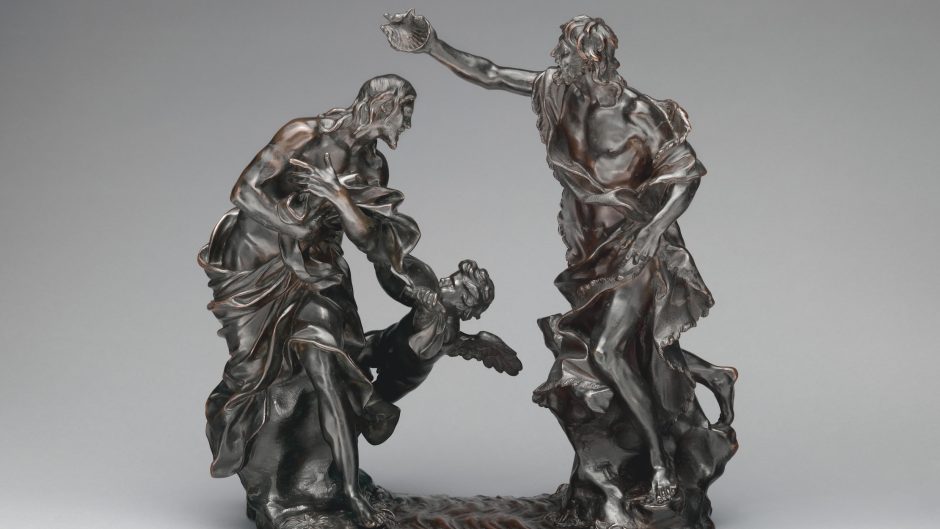
This course explores Roman Baroque art afresh, investigating its conception and historical significance, its patronage and burgeoning art market. We begin in the year 1600, a crucial turning point in the Roman careers of Michelangelo Merisi da Caravaggio and Annibale Carracci.
In Counter-Reformation Rome, popes and cardinals emerged as the most prominent and sought-after patrons, a development exemplified in the complimentary careers of the prominent sculptor and architect Gian Lorenzo Bernini and his rival, the architect Francesco Borromini. Investigating patronage and trends in collecting on the one hand, and artists’ self-promotional strategies on the other, we will discuss the oeuvres and careers of such exceptional men and women as Artemisia Gentileschi, Pietro da Cortona, Nicolas Poussin and Giovanna Garzoni.
In close encounters with paintings and drawings in the National Gallery, The British Museum and the Courtauld’s print room we will seek to understand contemporary notions of ‘genius’ and artistic ingenuity. Our artists’ search for fame will be set into the context of today’s artistic rediscoveries and the twenty-first century art market.
Lecturer's Biography
Dr Giulia Martina Weston is Director of the Athenaeum Comelianum de Litteris et Artibus in Pisa. She holds a PhD from the Courtauld, where she has been Associate Lecturer since 2016, and is Consultant Lecturer at Sotheby’s Institute of Art. Giulia’s publications include the monograph Niccolò Tornioli (1606-1651). Art and Patronage in Baroque Rome (2016) and the co-edited volumes I Pittori del Dissenso (2014) and ‘A tale of two cities’: Rome and Siena in the Early Modern Period (2020). She is presently working on a book on Salvator Rosa’s afterlife in Britain. She curated the exhibitions The Universe on Paper (2022), and Legacies and Visions. From Comel to Karshan (2024), both at Fondazione Comel in Pisa.