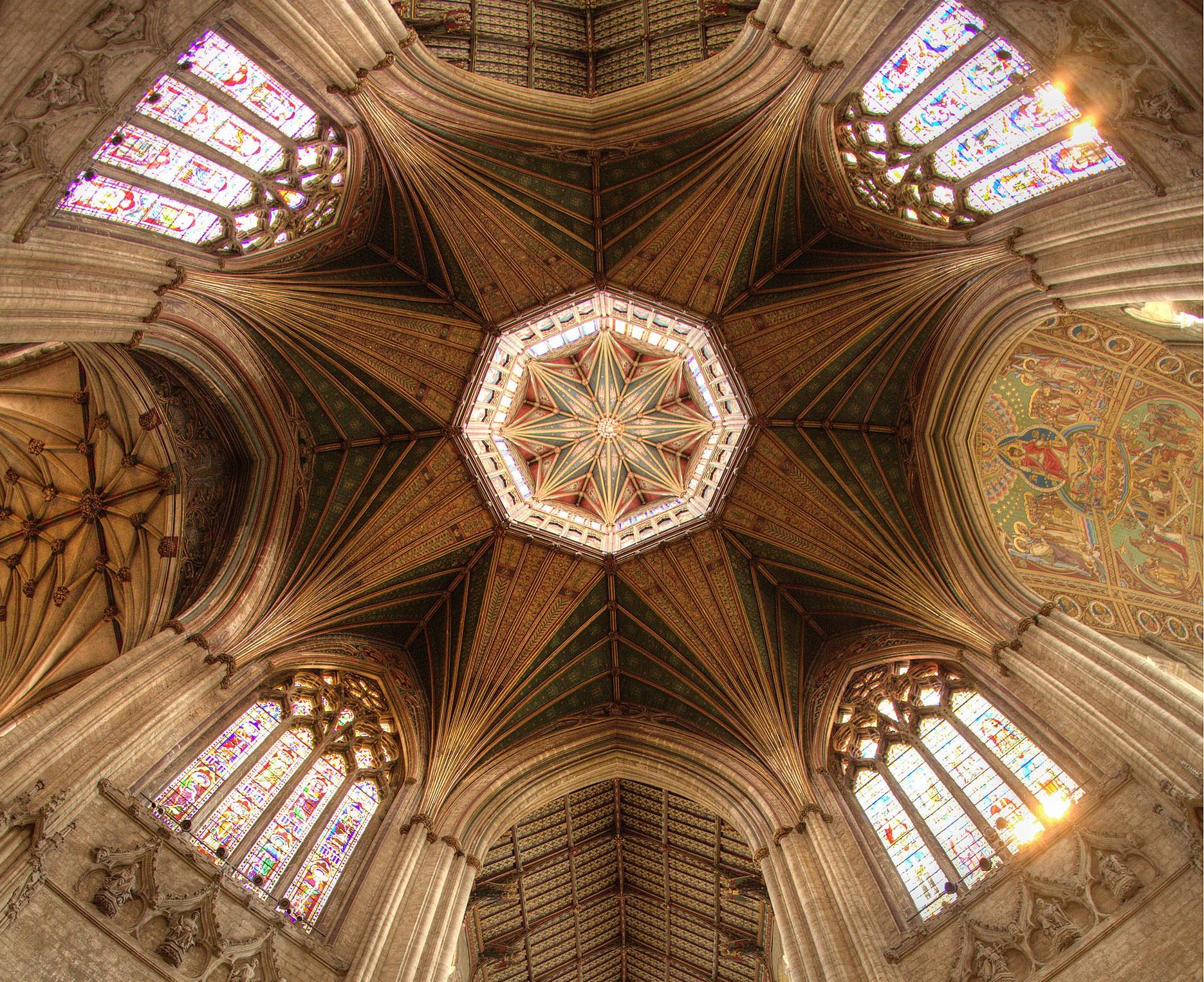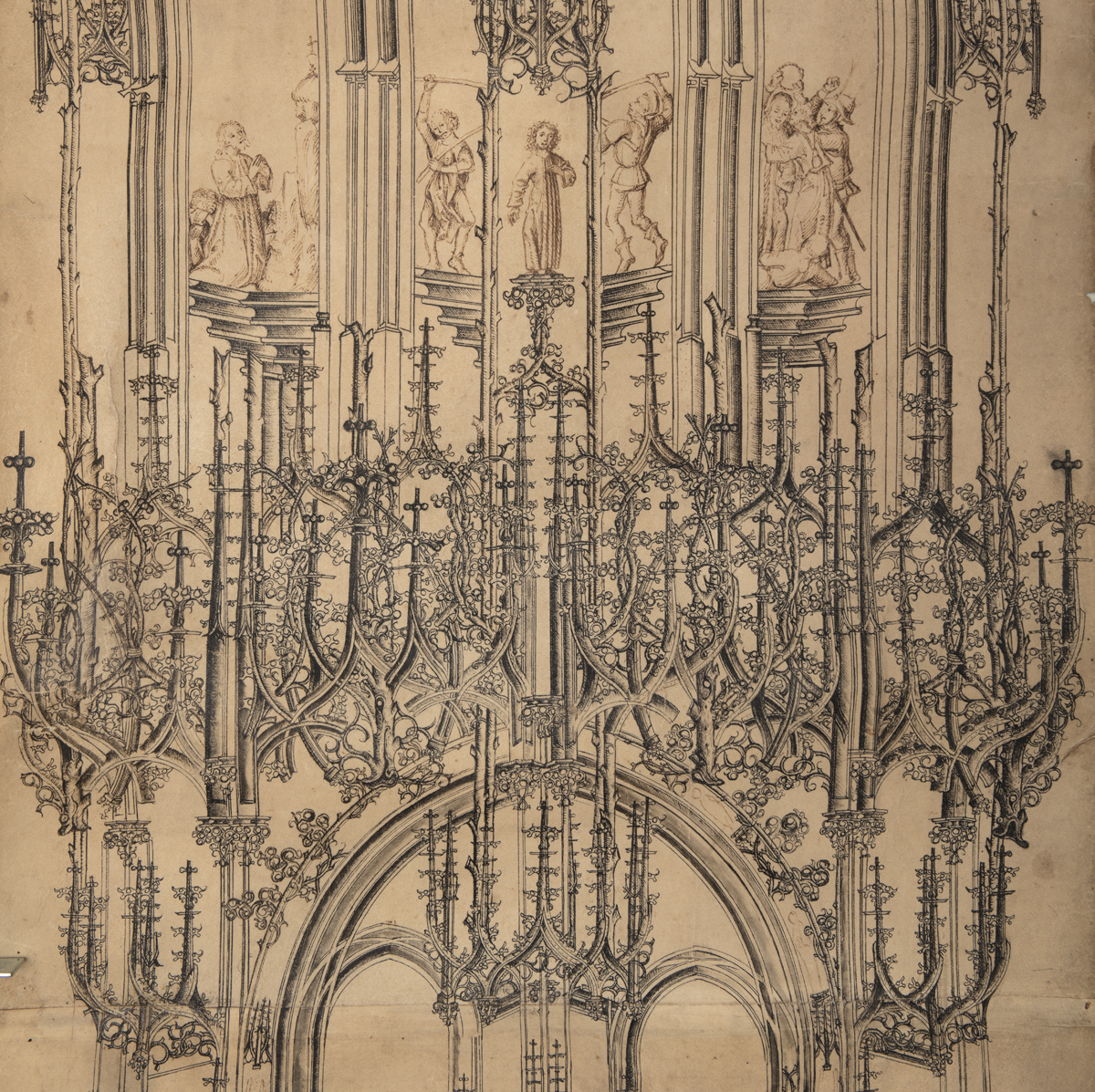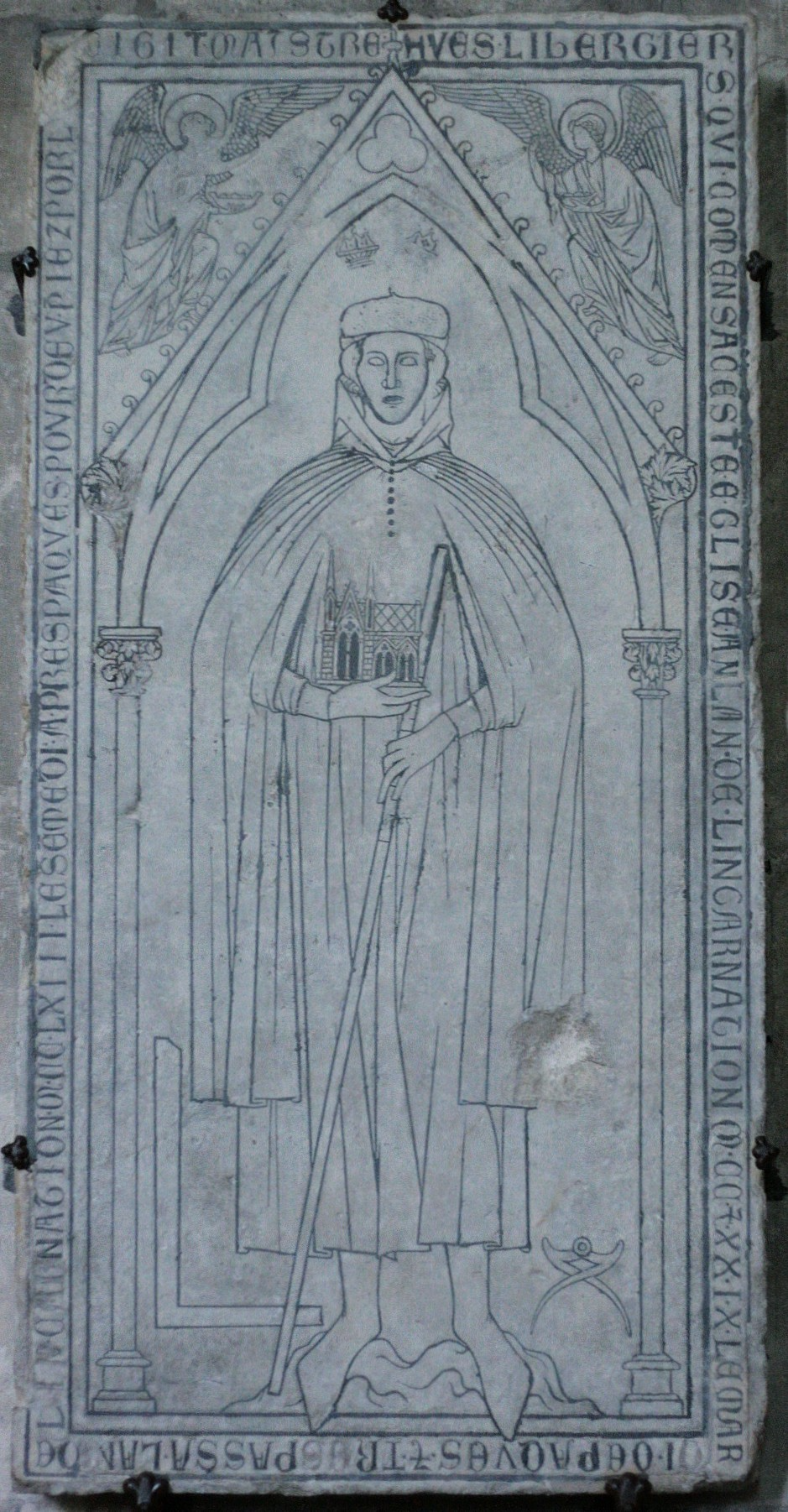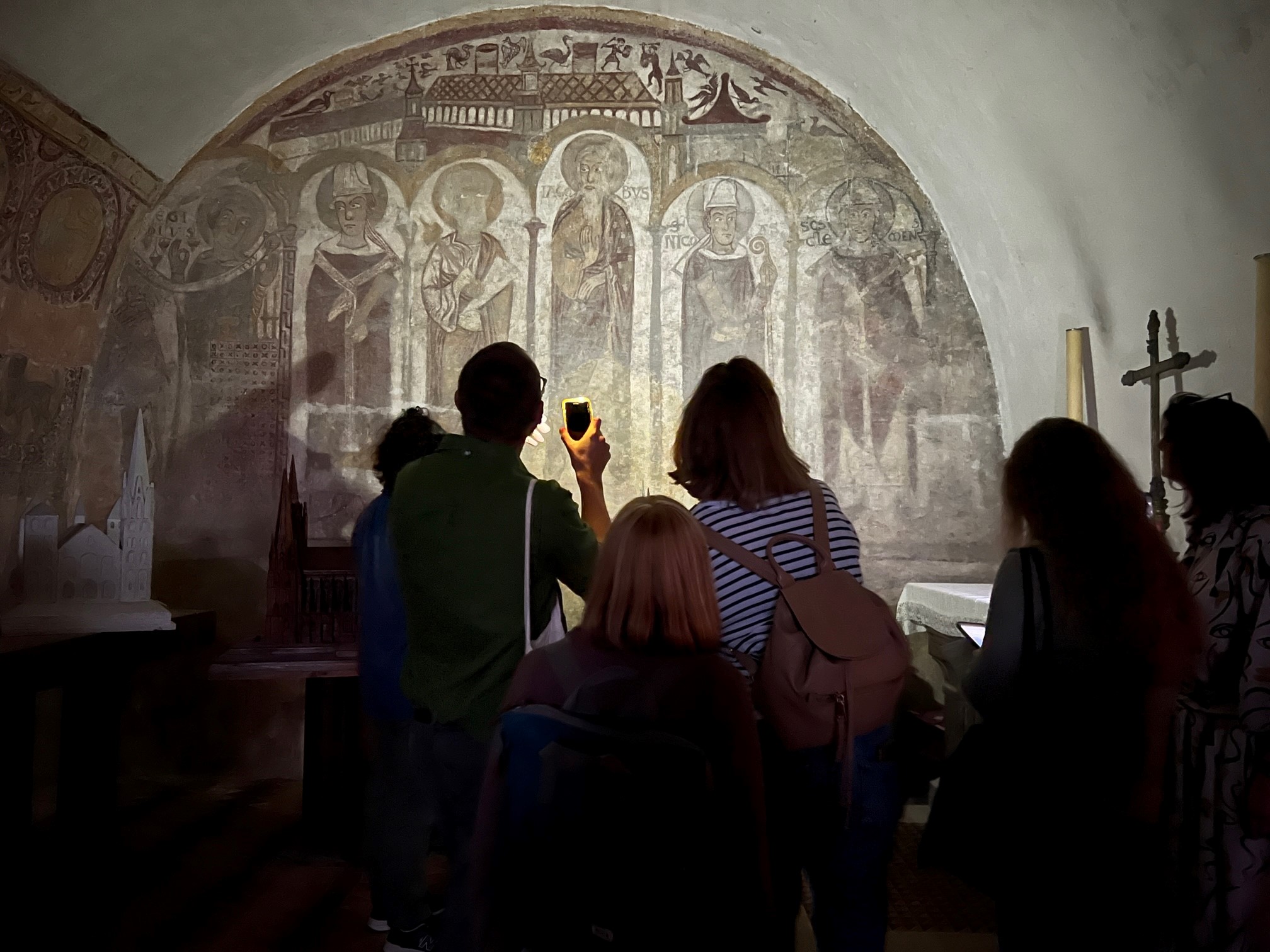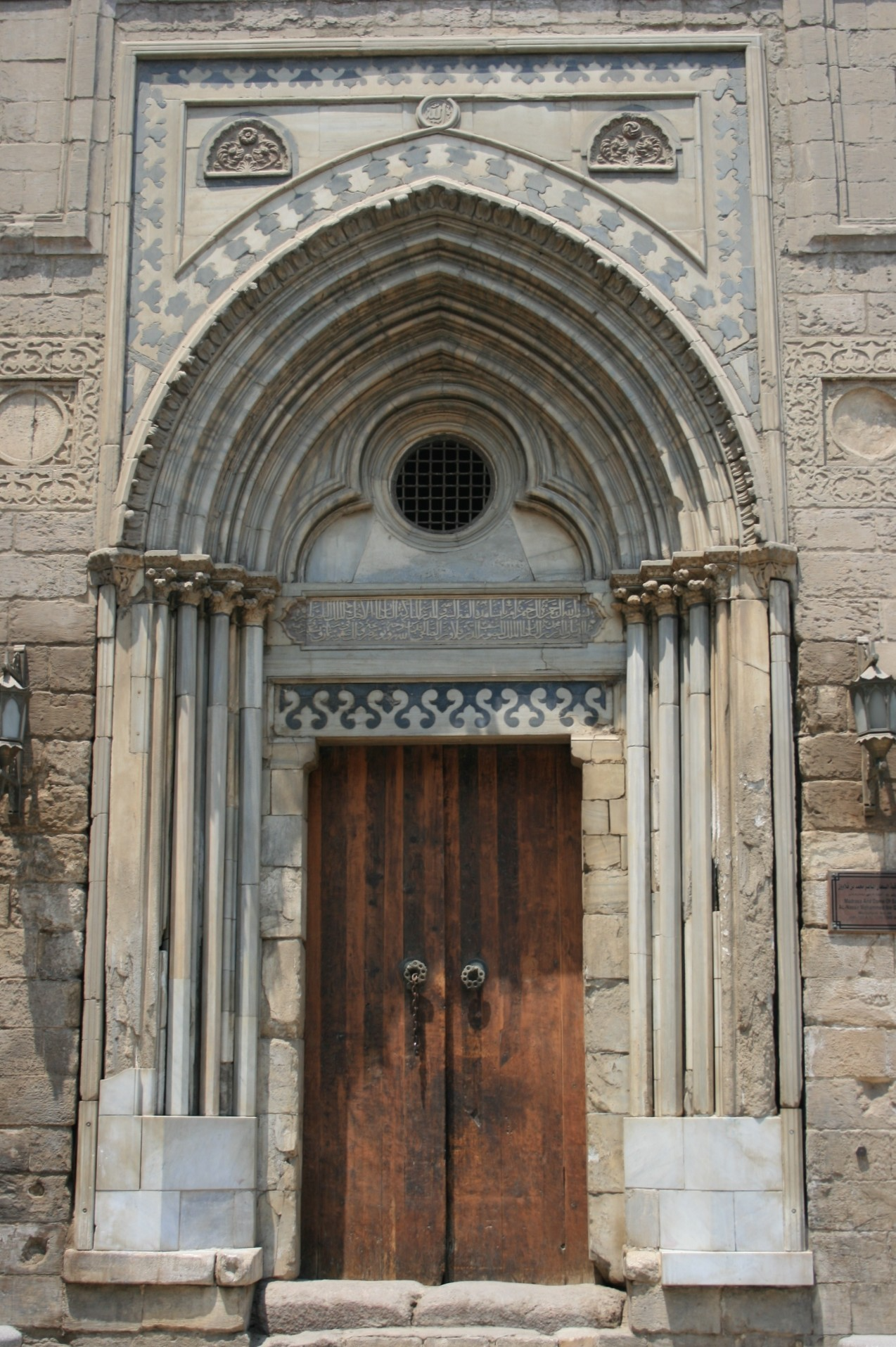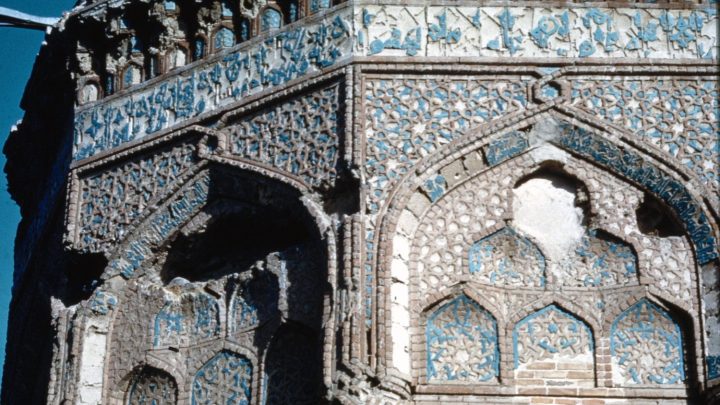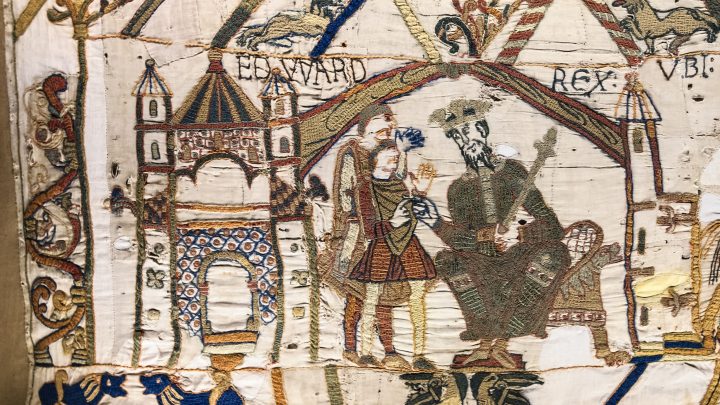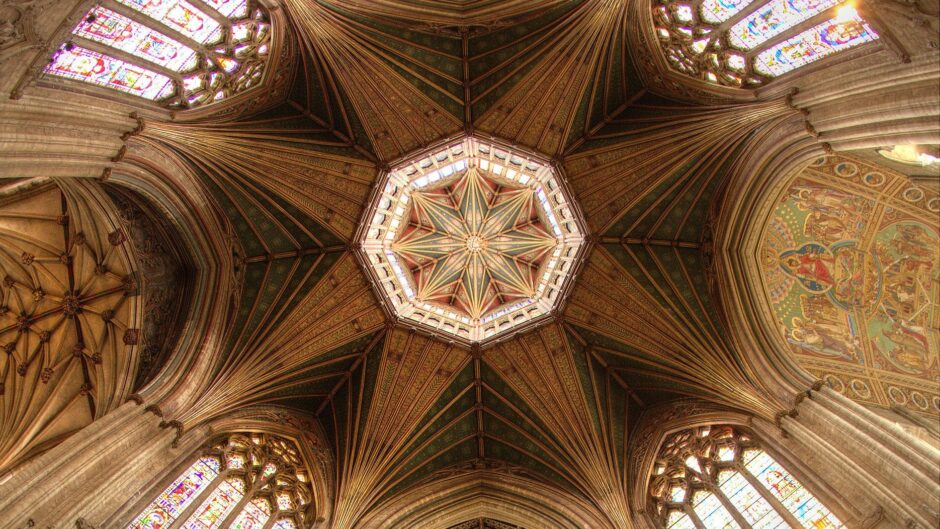
The cityscapes of medieval Europe were dominated by great churches and cathedrals. Sites of intense public and private devotions, and centres of economic and political power, they testify to the extraordinary ambitions of the patrons and masons that dared conceive them. Each church is unique, yet all share elements of their design – from minute details of mouldings to the plans that gave them shape, from the number of columns within them to their ‘sacred topography’. In this course we scrutinise those relationships, examining different ‘technologies’ of transmission to determine how distant buildings came to resemble and emulate one another, and why. How could that sense of wonder on entering a great building be condensed, transported and then recreated far away? This is the ‘Gothic Encounter’.
- How might these technologies distort information in the process of transmission, either because they were inadequate to the task of describing complex spaces and surfaces, or because of how they were produced and received?
- How did these technologies enable or restrict new architectural tastes and methods, or enshrine traditions and orthodoxies?
- Why would patrons or architects seek to emulate another building? Is there a relationship between their motives and the technologies on which they relied?
- To what extent were references to other buildings recognised by different kinds of audiences?
- How did materials such as wood, stone, or iron shape architectural design, and what does this tell us about relationships between architecture and the environment?
We interrogate, in short, the idea of architectural ‘influence’ – a notion deeply embedded in our understanding of architecture, medieval and modern. In doing so, we shed new light on some of the greatest technological and aesthetic achievements of their age.
The course is taught through a combination of thematic seminars, case studies and site visits across two semesters. Students benefit from world-class libraries at the Courtauld Institute, Warburg Institute and British Library, together with the Courtauld’s online Conway Library – probably the world’s greatest photographic archive of medieval architecture. We have easy access to buildings that have long-defined gothic architecture, such as Westminster Abbey, but will also have seminars in other important medieval buildings, such as Temple Church, as well as the collections of drawings and objects in the Victoria and Albert Museum. We will also visit (funding permitted) other sites in the UK and abroad. Study trips are supported by a travel grant, and are usually for a period of 2-4 days. Our scope is pan European, from the twelfth to the fifteenth century, but we will also consider the Mediterranean Sea as an important arena for the transmission of architectural ideas across vast distances. We look at the buildings that have always defined gothic architecture, such as St-Denis, Notre-Dame or the Sainte-Chapelle in Paris, but also at less familiar sites: Prague cathedral, or the Spanish cathedrals of León and Toledo and their debts to northern and Islamic traditions.
Course leader: Dr Tom Nickson
In the event that a course leader is on sabbatical, takes a fellowship, or otherwise is not able to teach the course, they will be replaced by another experienced course leader either for a semester or, in some cases, the academic year.