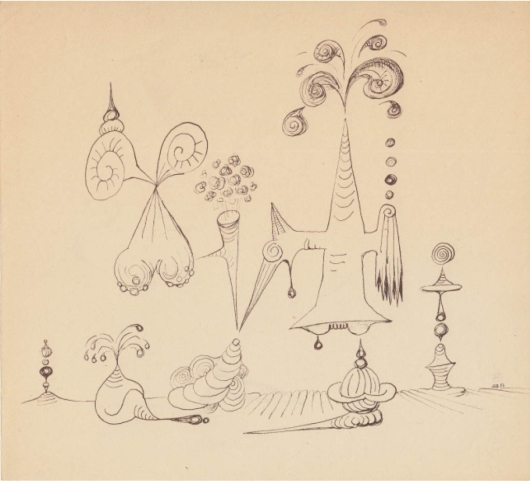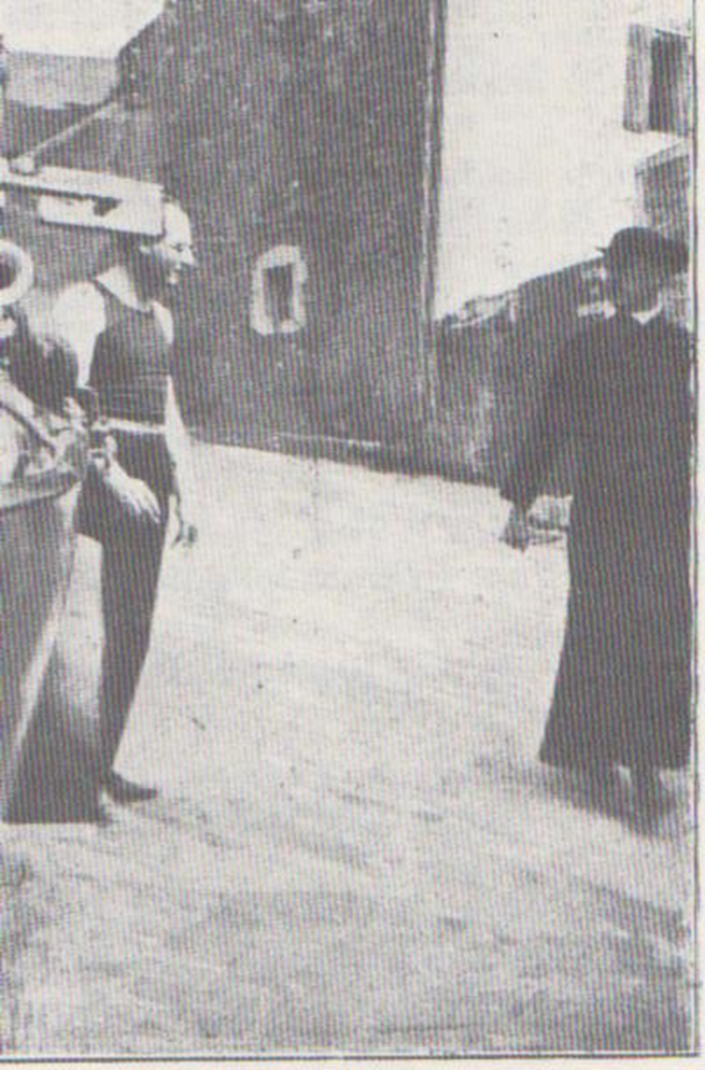
This course explores the history and theory of one of the most diverse, controversial and influential cultural formations of the twentieth century across 1919-70 and its subsequent critical reception up to the centenary year of the Manifesto of Surrealism (1924). While typically positioned in an art historical chronology that places it between Cubism and abstract expressionism, Surrealism has achieved problematic status, prompting debate up to the present day as to the nature of both modernism and postmodernism.
As well as dealing with overarching questions of esotericism, seminars will look in detail at major themes and issues that fed into or complicated this, bringing more sharply into focus the crucial debates within and around Surrealism with reference to specific individuals and works of art within their historical context. Among the themes and issues under consideration will be the practice of ‘automatism’ and Surrealism’s development of ‘dream’ symbolism; Surrealism’s interpretation of nature; the deployment of photography in the movement; the object, fetishism and gender; the politics of collecting, colonialism and ‘primitivism’; the relationship between the movement and art brut; the Surrealist interpretation of film; the role of journals within the movement; the activities and legacies of Surrealism in the Czech lands, United States and Mexico; and the revival of Surrealism internationally in the 1960s.
We will examine the art and writings of Hilma af Klint, Louis Aragon, Hans Arp, Hans Bellmer, André Breton, Claude Cahun, Jorge Camacho, Leonora Carrington, Giorgio de Chirico, Salvador Dalí, Marcel Duchamp, Paul Eluard, Max Ernst, Alberto Giacometti, Arshile Gorky, Valentine Hugo, Ted Joans, Frida Kahlo, Greta Knutson, Wifredo Lam, René Magritte, Baya Mahieddine, André Masson, Matta, Lee Miller, Joan Miró, Meret Oppenheim, Wolfgang Paalen, Mimi Parent, Pablo Picasso, Man Ray, Yves Tanguy, Dorothea Tanning, Toyen, Tristan Tzara, Remedios Varo, Marie Wilson and Unica Zürn, among others.
Previous study trips have included visits to Paris. Individual tutorials allow discussion of individual assessed projects and general progress to be gauged.
Course leader: Professor Gavin Parkinson
In the event that a course leader is on sabbatical, takes up a fellowship, or otherwise is not able to teach the course, they will be replaced by another experienced course leader either for a semester or, in some cases, the academic year.