Courtauld Books Online is a series of online, Open Access scholarly books published by The Courtauld Institute of Art. The series includes research publications that emerge from Courtauld Research Forum events and Courtauld research projects involving an array of outstanding scholars from art history, conservation, and curation across the world.
The series consists of volumes edited by leading scholars in the field and shaped by a rigorous editorial and peer-review process. It is Diamond Open Access, meaning that its publication is funded by the Courtauld and the volumes are freely available to read online and to download without charge.
The series has been developed in the context of The Courtauld’s emphasis on world-leading research that shapes collective understanding of the visual arts past and present and champions the importance to our society of cultural knowledge, understanding, and practice. We support research in art history, conservation, and curating that produces new knowledge and understanding, and new methods of analysis and interpretation, to shape and advance our respective disciplines, and to address intellectual, cultural and societal challenges.
Editor: Dr Stephen Whiteman (The Courtauld)
Courtauld Books Online Advisory Board:
Paul Binski (University of Cambridge)
Thomas Crow (Institute of Fine Arts, New York University)
Michael Ann Holly (Starr Director Emeritus of the Research and Academic Program, Clark Art Institute
Latest Publication
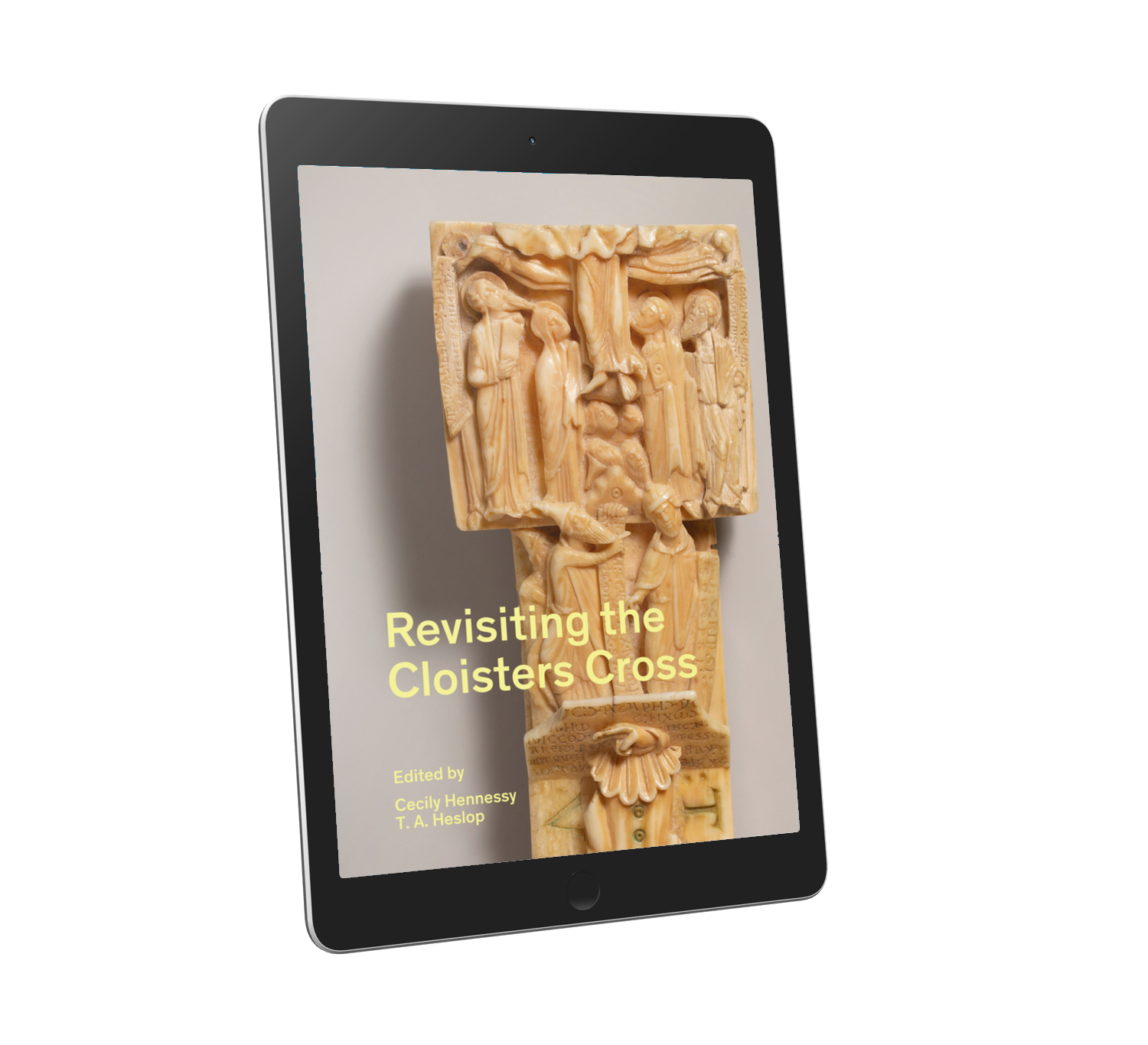
Revisiting the Cloisters Cross
Edited by Cecily Hennessy and T. A. Heslop
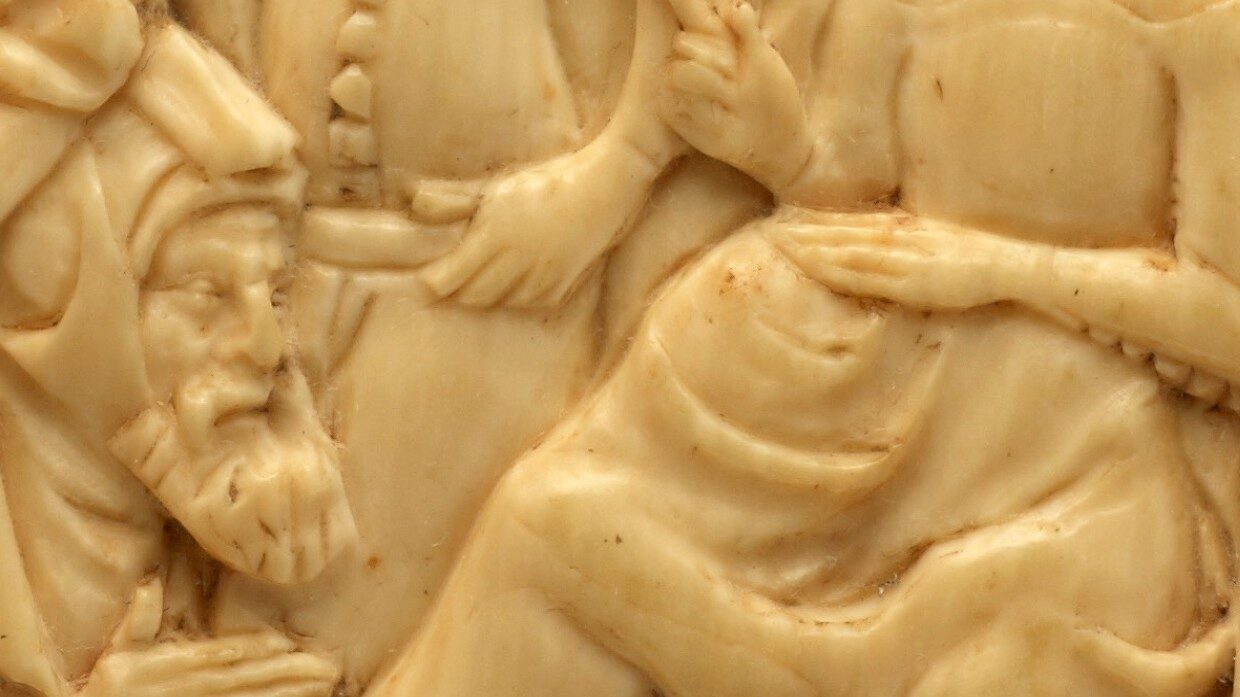
The Cloisters Cross, made from two large walrus tusks, encapsulates many aspects of the art and culture of twelfth-century north-western Europe. It brings together figurative sculpture and texts, mostly biblical citations but some of recent composition, in a dynamic relationship that permits and perhaps actively encourages a wide range of interpretation. The quality of the carving is a fundamental aspect of the dramatic appeal of the object – representing scenes from Christ’s passion with an array of prophets holding inscribed scrolls foreshadowing events surrounding the Crucifixion.
Despite a substantial monograph, published over 30 years ago, there are still many mysteries about the Cross, not least its date and place of origin. The problem is compounded by uncertainty as to its provenance prior to its reappearance after World War II. The essays in the present volume investigate these issues while opening windows into the hunting of walruses and the medieval trade in their ivory, the religious art and ideology of the Romanesque era, and the politics of museums acquisitions in more recent times.