Applicants to this Special Option are eligible to apply for a Manton MA Scholarship for Studies in British Art.
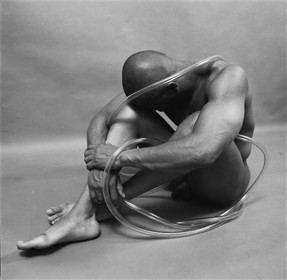
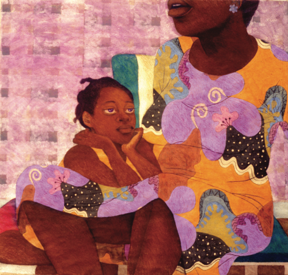
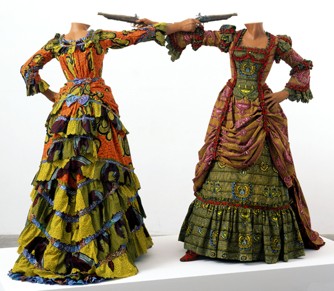
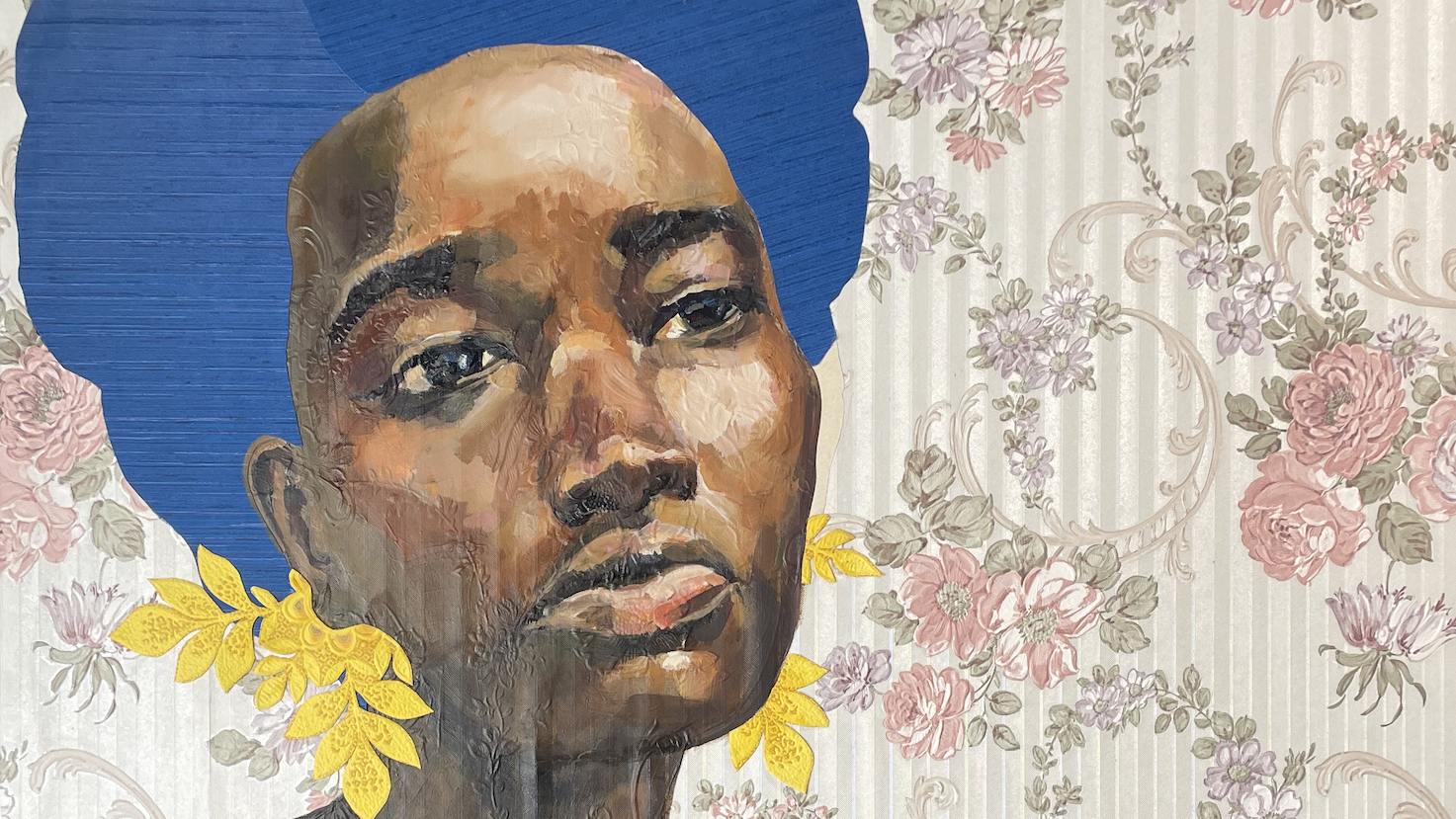
This MA special option considers the formation of Black British art and its changing iterations from the postwar period to the present day. Embedded in a need for representation and often evolving through cultural and political resistance, Black British art has played a complex yet pivotal role within British history and the larger context of a global Black diaspora and its art histories, including Black Modernism. The study of Black British art is transdisciplinary, encompassing art, photography, film, literature, fashion, performance, sound, and oral cultures. Foregrounding the field as a social, political, and cultural practice, the course is structured both chronologically and thematically to examine its historical and critical developments. In tandem, we evaluate the evolution and significance of influential Black art exhibitions, designated Black art spaces, and, more recently, institutional mainstreaming, integration and their critique.
We will consider how questions of media specificity, innovation, and Blackness became linked during this period and continue to permeate the practices of contemporary Black British artists, including queer, trans, gender-non-conforming, and non-binary artists, signifying a new politics and ecology of identities. Reading with and through an interdisciplinary lens and connecting to wider fields of Black diasporic cultural forms, histories, and theories, is encouraged. With the resurgence of national and international interest in the field, as demonstrated by Lubaina Himid (2026), John Akomfrah (2024), and Sonia Boyce (2022) consecutively representing Great Britain at the Venice Biennale, Veronica Ryan’s Turner Prize award in 2023, as well as recent major solo exhibitions of artists such as Michaela Yearwood-Dan, Donald Locke, and Hurvin Anderson, this MA special option offers a timely reassessment of Black British aesthetics and practices.
As a burgeoning field, the MA offers vast opportunities for in-depth exploration and training towards further study for a PhD or professional employment in the arts and other sectors, including curation. The special option will benefit students interested in Modern and Contemporary art, Black and Black Diaspora art, British Art Studies, Black Studies, and Cultural Studies, as well as British history and narratives of race, identity, empire, migration, and postcolonial and decolonial methodologies. Complemented by a rich variety of museum, gallery, archival, and studio visits, the course includes guest lectures by contemporary artists and a study trip to Europe or the United States, supported by a travel grant. Past students have gone on to work across a wide range of fields, from galleries, museums and auction houses in the UK, the US, Africa and Australia to national and international doctoral programmes.
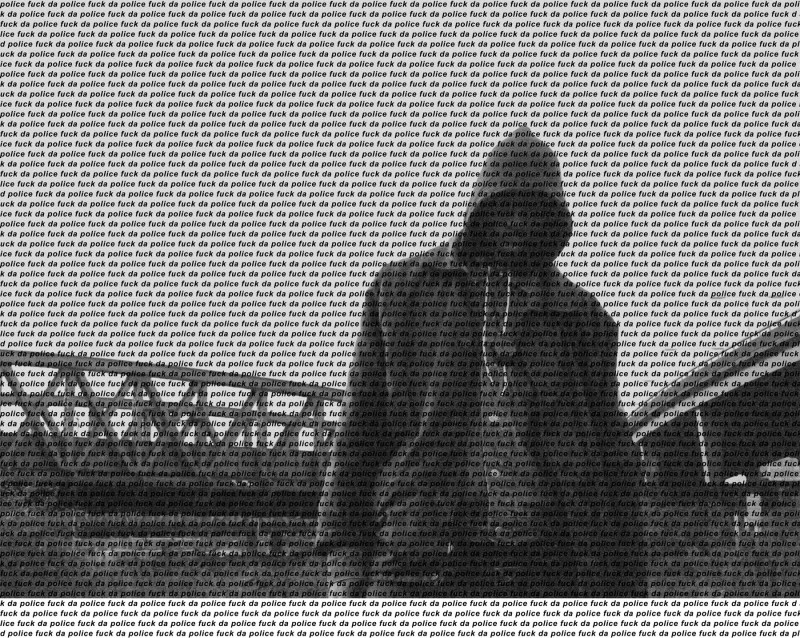
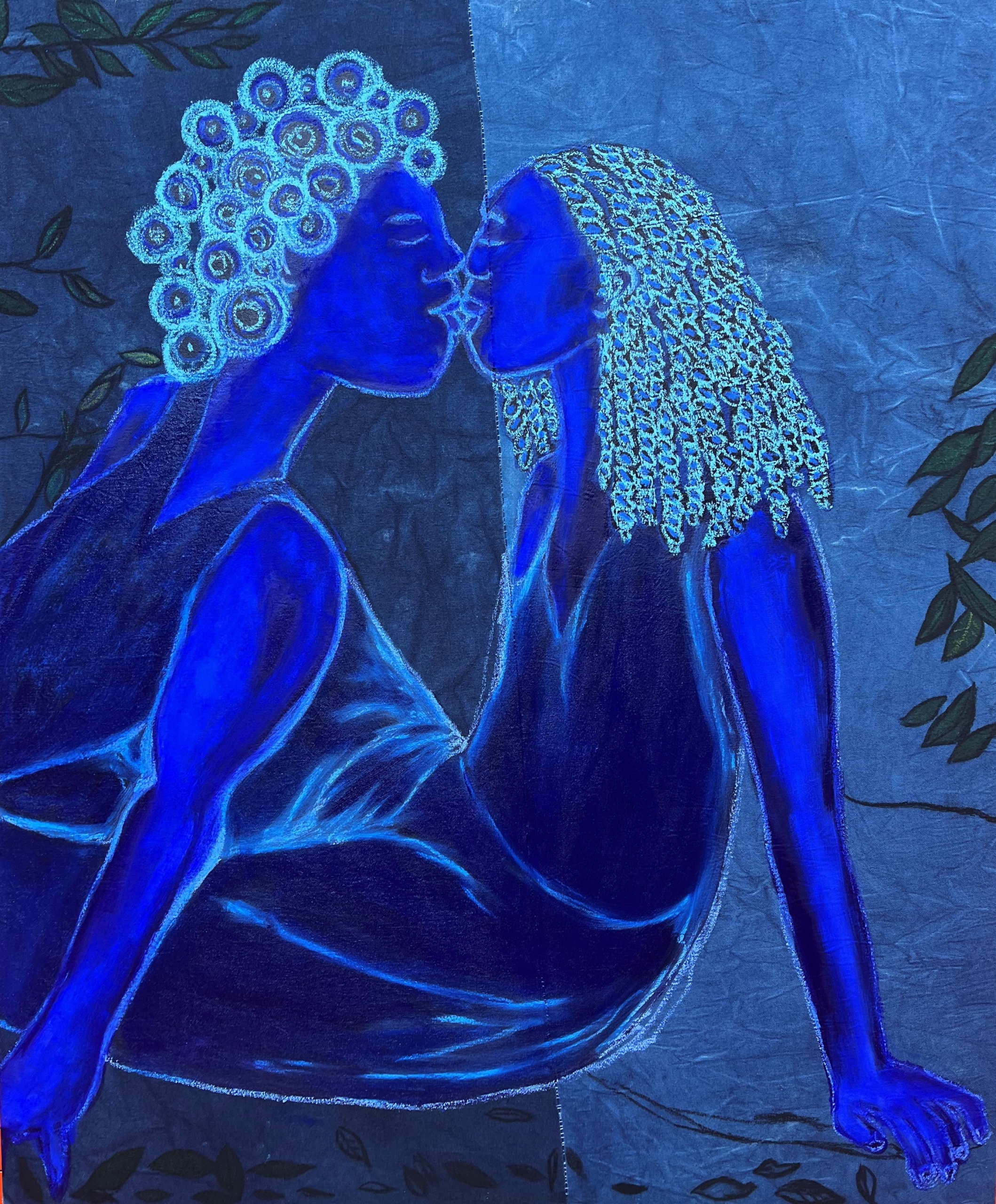
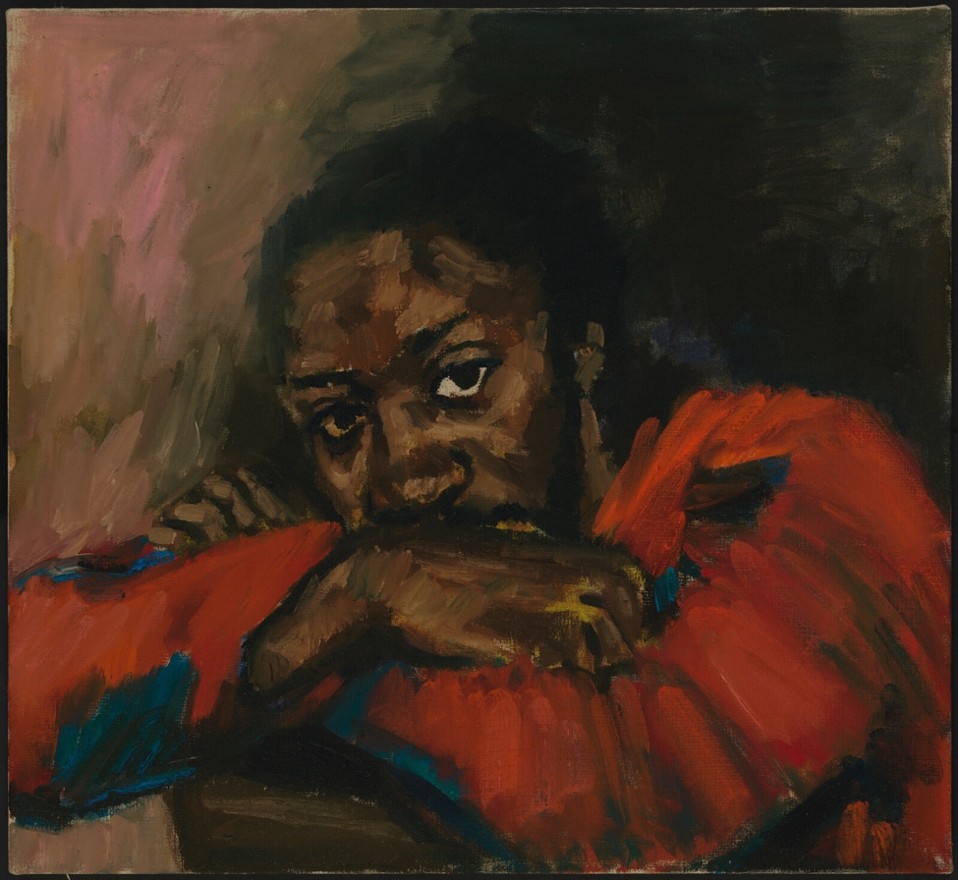
As well as those mentioned above, artists considered for study may include Aubrey Williams, Sir Frank Bowling, Donald Rodney, F. N. Souza, Steve McQueen, Hew Locke, Alberta Whittle, Black Audio Film Collective, Keith Piper, Claudette Johnson, Thomas J. Price, Horace Ové, Barbara Walker, Larry Achiampong, Rotimi Fani-Kayode, Chila Kumari Burman, Hamad Butt, Vanley Burke, Leah Kirby (CYRO), Lakwena Maciver, and Chris Ofili, amongst others. As issues of migration, nationalism, and decolonisation re-emerge as critical questions of our time, this MA Special Option situates Black British art as a significant global field for our contemporary present.
No formal language requirement other than proficiency in English. Given the interdisciplinary nature of this special option, students from a variety of academic backgrounds – including history, literature, and other subjects – are encouraged to apply.
In the event that a course leader is on sabbatical, takes up a fellowship, or otherwise is not able to teach the course, they will be replaced by another experienced course leader either for a semester or, in some cases, the academic year.
Course leader: Dr Indie A. Choudhury