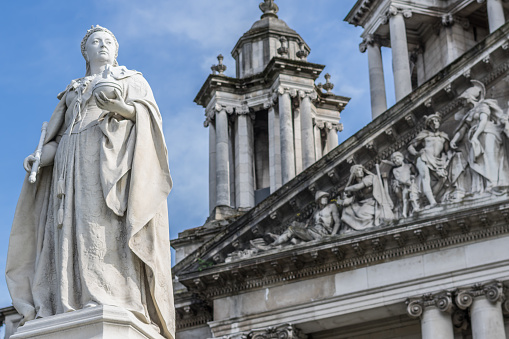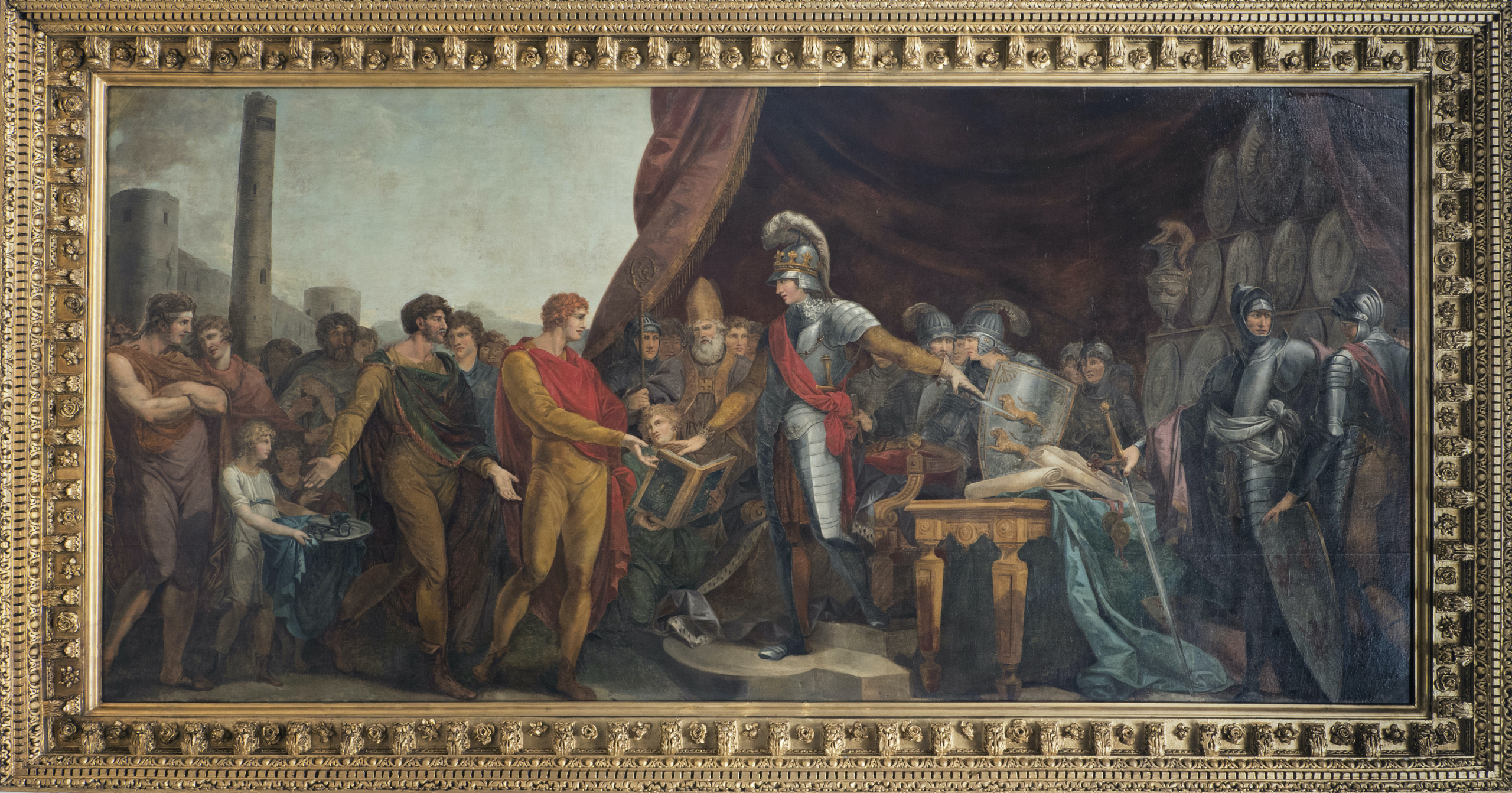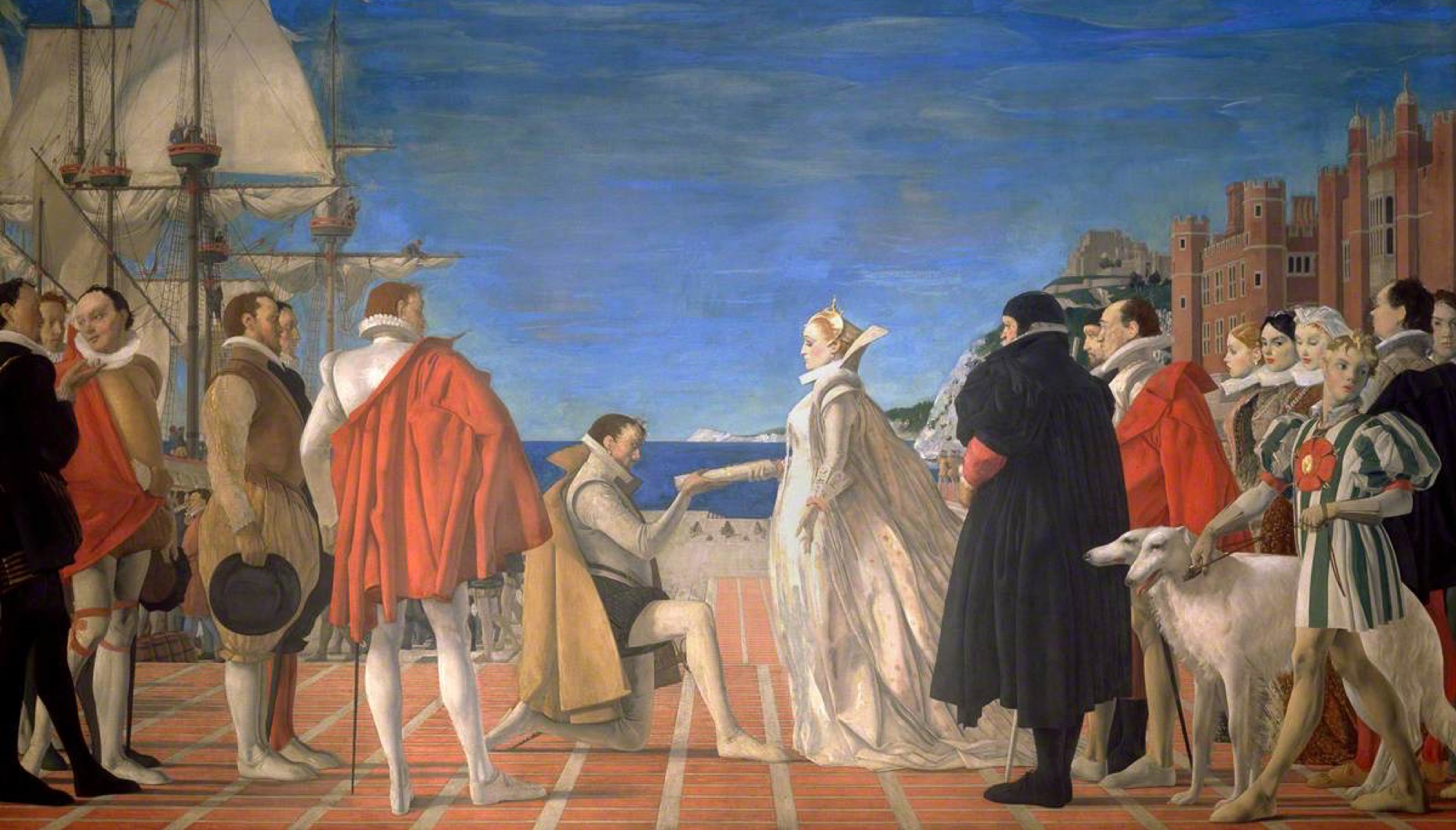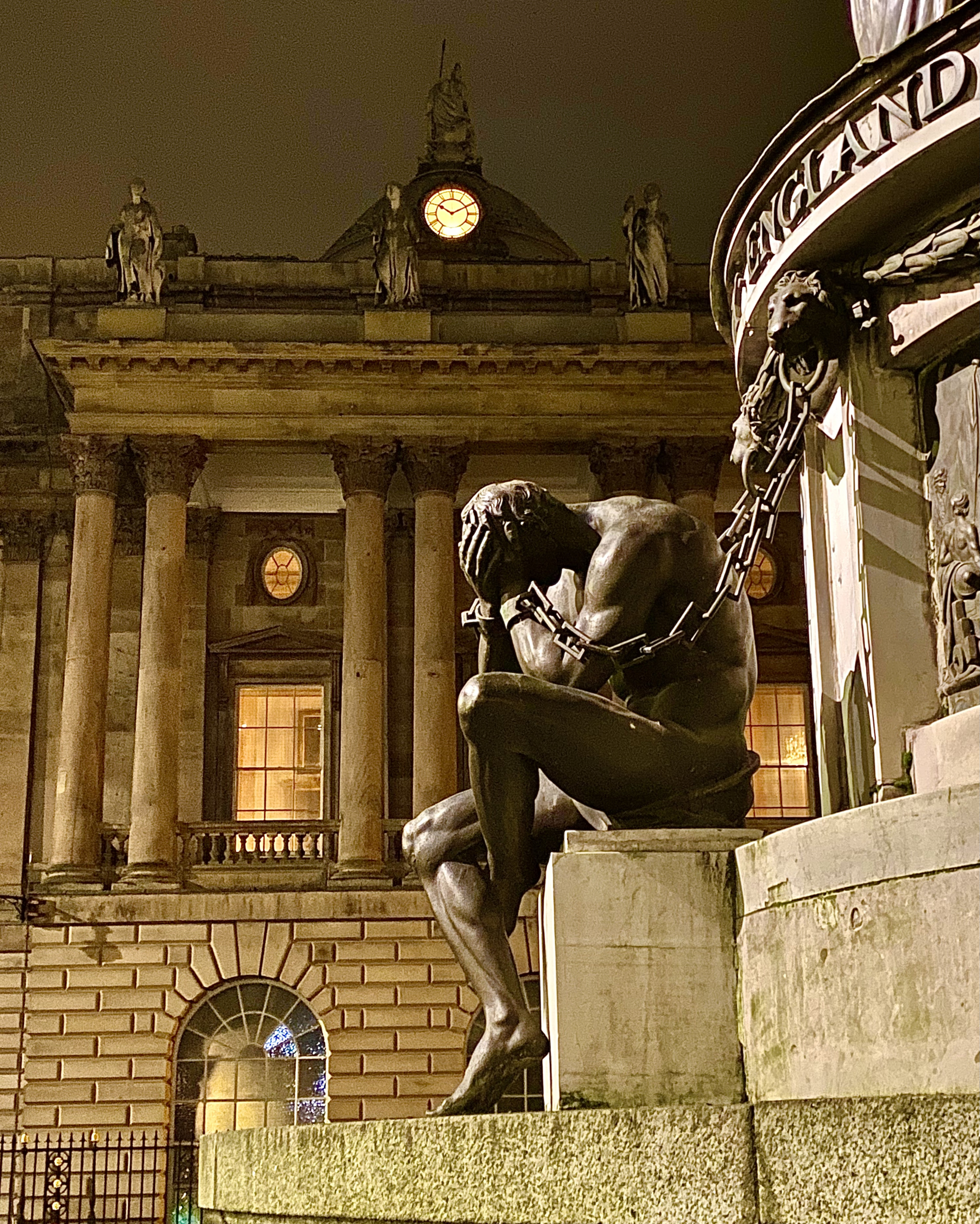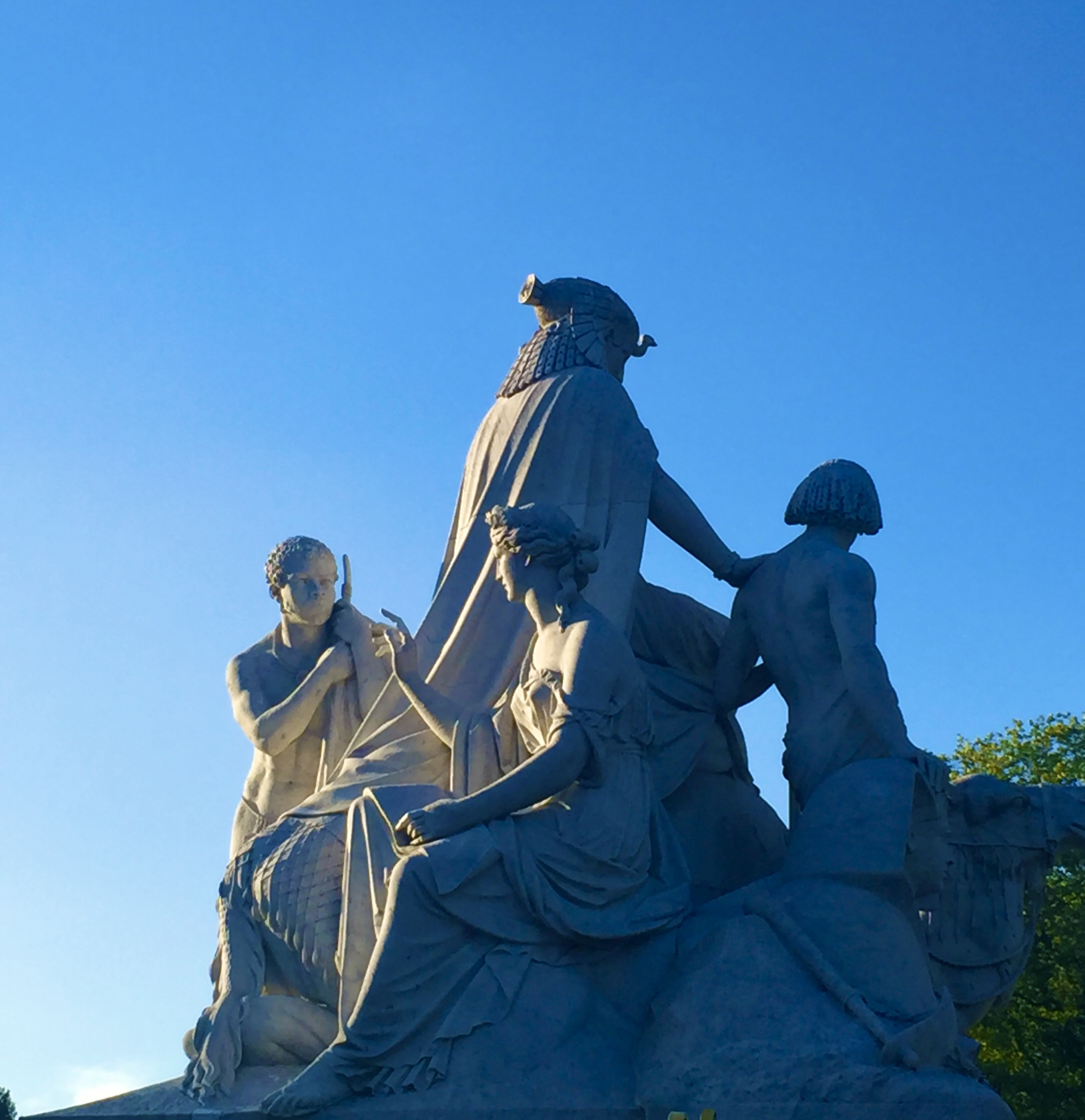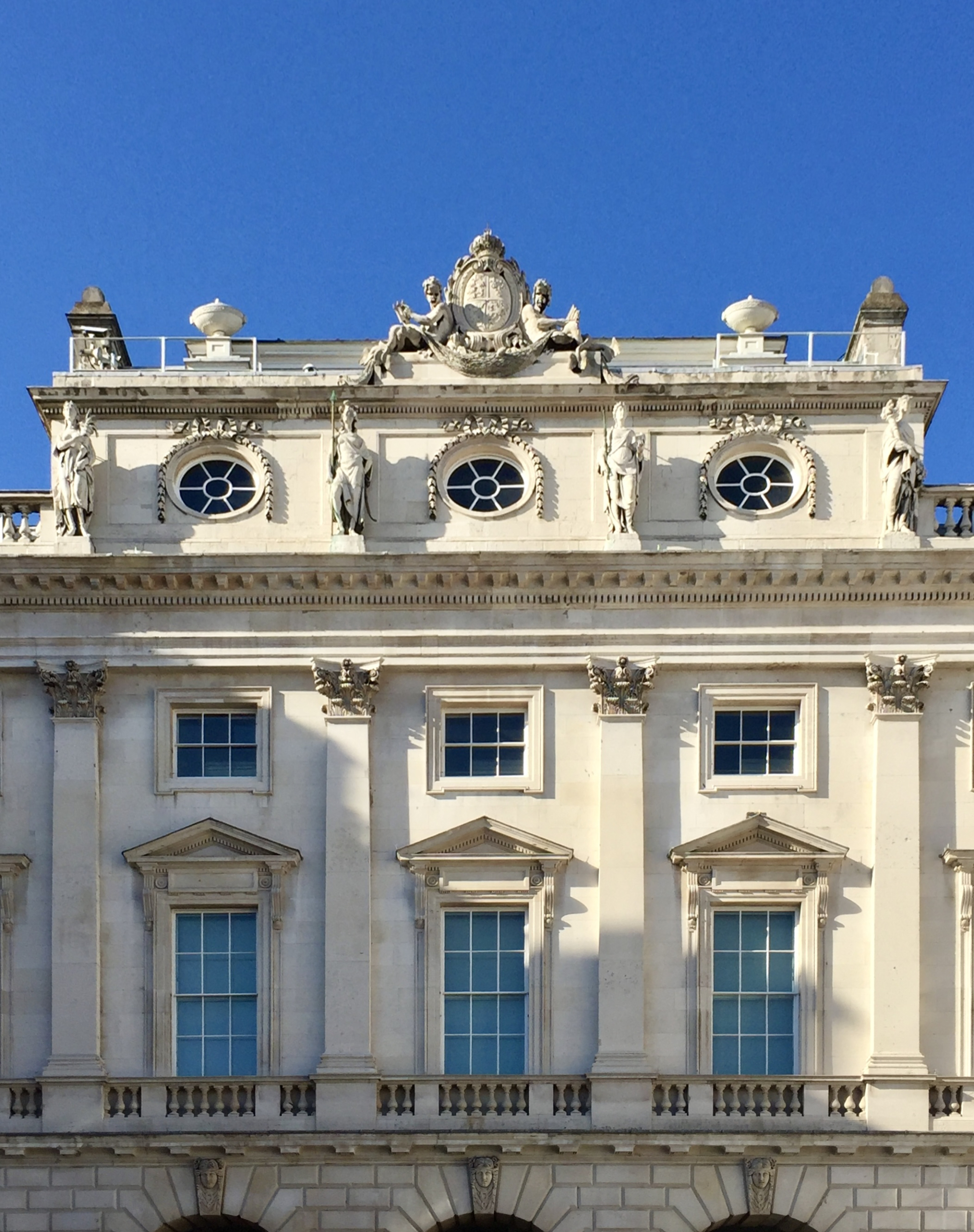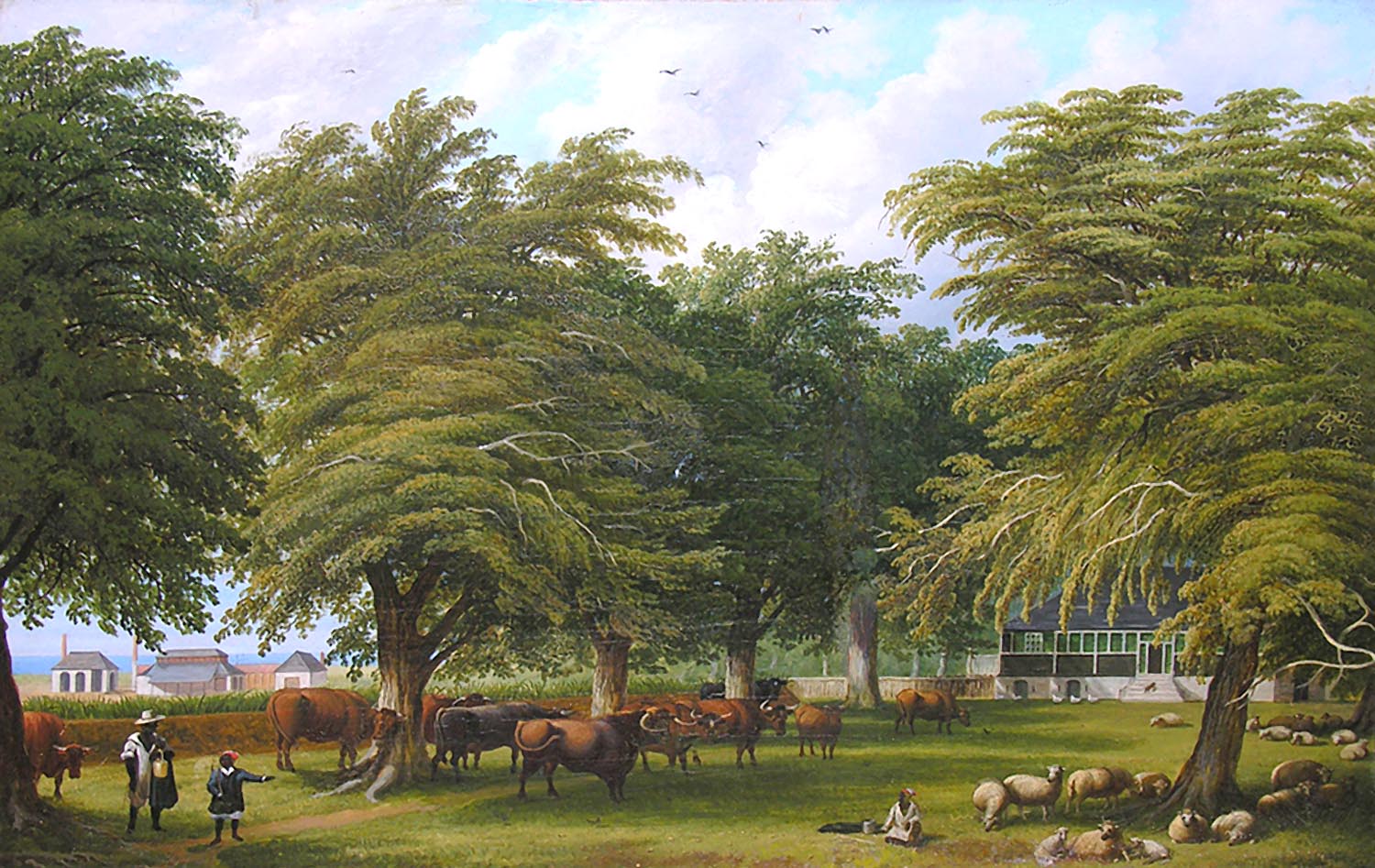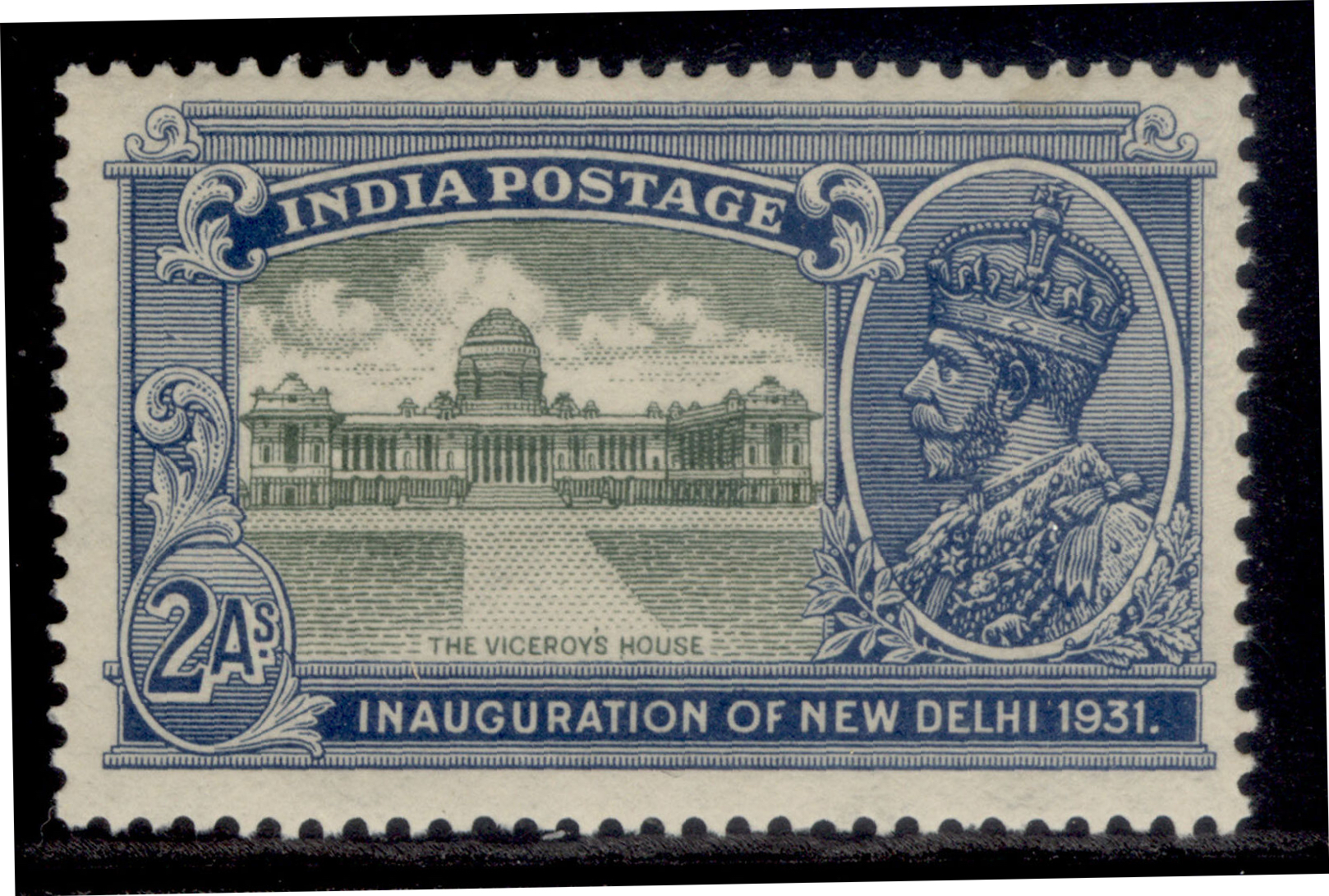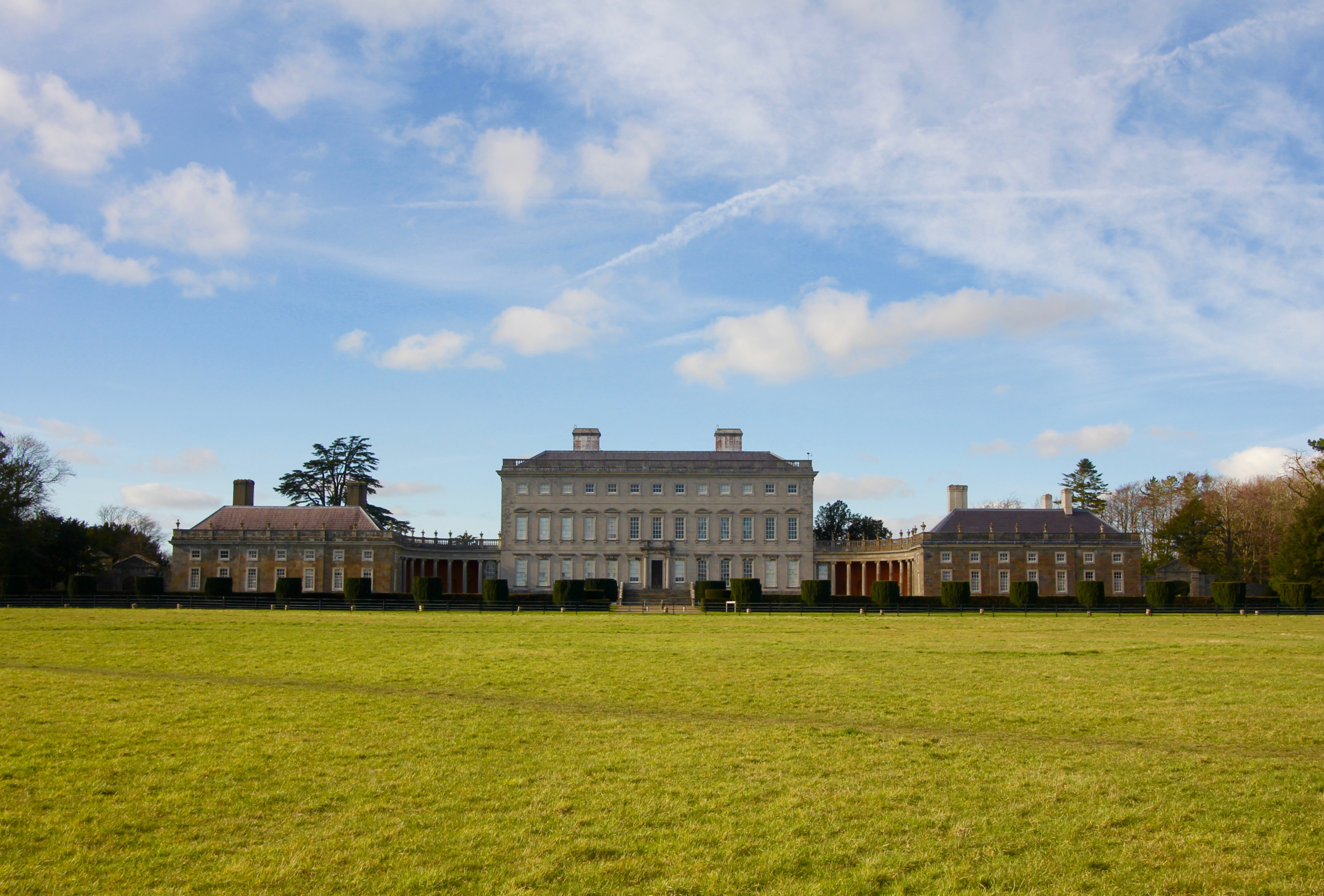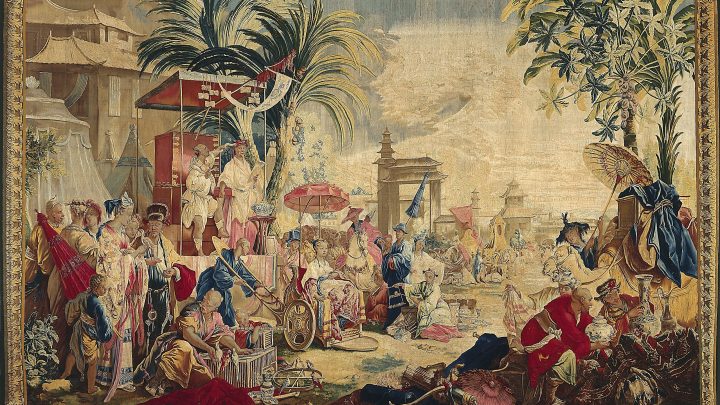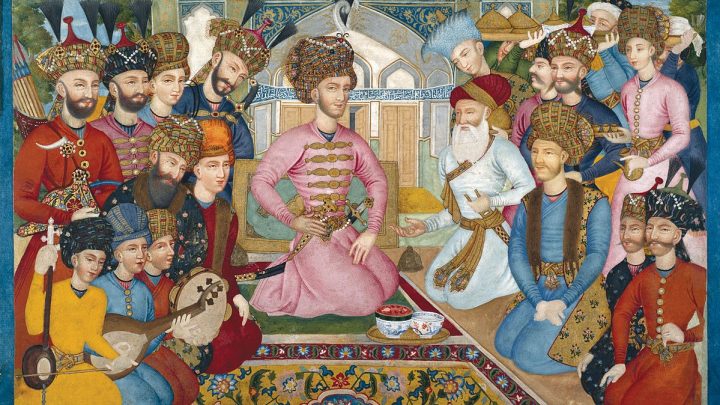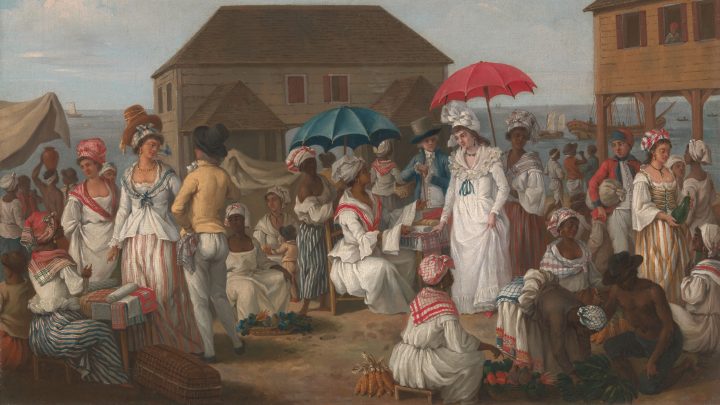
More than most political abstractions, imperialism expresses itself directly in objects, and in none with more potency and immediacy than those associated with architecture culture; that is the material objects and works of art associated with built space. Buildings and the works of art and material culture displayed on or within them formed a key practical and theoretical means through which colonial processes and narratives were exercised, communicated, promoted, and sustained. These spaces also have an afterlife, which continues to impact societies into the present, and which presents very real challenges to those charged with overseeing their contemporary reception, interpretation and presentation.
This course provides a critical framework for examining how the contested cultural legacies of the British Empire have been researched, interpreted and managed in the past, and how they might be approached by researchers, curators and heritage organisations within a contemporary postcolonial context. In doing so, it equips students with a range of transferable intellectual and professional skills relevant to academic research, curatorial practice and the heritage sector. Students will develop the ability to undertake sustained critical analysis of built environments and material culture, situating individual buildings, landscapes and material objects within their wider political, social, cultural and historical contexts. They will be required to formulate and substantiate independent arguments through both oral presentation and written research, engaging critically with primary and secondary sources and with competing interpretations of contested histories.
The course adopts an explicitly cross-disciplinary and cross-methodological approach, bringing architectural and art history into dialogue with political history, law, heritage and museum studies, political geography, postcolonial theory, anthropology and related fields. It therefore provides students with experience relevant not only to historical and art-historical research, but also to the interpretation, curation, conservation and management of heritage sites and collections.
Written assessments are designed to encourage intellectual independence and allow considerable scope for students to pursue concepts, sites and case studies of particular interest to them. This flexibility enables students to develop specialist expertise in areas aligned with their own research interests and, where appropriate, to cultivate knowledge and analytical skills of particular relevance to their intended professional or academic careers.
Commencing with the emergence of the British imperial project in the first quarter of the seventeenth century, and tracing shifting conceptions of empire through a series of critical historic moments to the zenith of Britain’s imperial expansion in the first quarter of the twentieth, this option examines the intellectual, political, economic and cultural foundations of British imperialism and the ways in which these were articulated through the built and visual environment. Particular attention will be given to the global circulation of commodities, people and ideas; competing and historically contingent conceptions of ‘civilisation’ and ‘improvement’; the ideologies of expansion, possession and dominium; the exercise and representation of political and military authority; and the complex relationship between imperial power, artistic production, architecture and urban planning.
In addition to examining attitudes to empire at home, the course will consider two key sites of British imperial encounter and influence: Ireland and India. These case studies provide an opportunity to examine societies whose political, cultural and material landscapes were – and continue to be – profoundly shaped by the highly complex and vigorously contested legacies of colonialism.
The course gives a particular prominence to the experiential impact of the built environment and, as such, there is a strong emphasis on field work and site visits. Key building projects on the British mainland – such as the Banqueting House on Whitehall, the Royal Hospital for Seamen at Greenwich, Home House, Liverpool’s ‘Merchant City’, Somerset House, and the Foreign, Commonwealth and Development Office – will be visited and examined in situ enabling students to analyse their architectural form, spatial organisation, patronage and symbolic programmes in relation to the wider structures of imperial power and global exchange Additionally, an extended four-day study trip to both jurisdictions on the island of Ireland (supported by travel grants) will take place in Spring Term.
These site-visits (often led by on-site curatorial teams) will provide opportunities to meet and network with many curators and scholars working with some of the UK and Ireland’s leading heritage bodies, offering students a critical perspective on the practical and intellectual challenges of researching, conserving and interpreting sites associated with difficult, contested or partially suppressed histories.
Being based in London will provide students with access to an unrivalled wealth of library, archive and manuscript resources in some of the world’s greatest museums, repositories and academic institutions: not least the Courtauld’s own collections and its calendar of research events, which will provide further opportunities to hear from scholars working in the field. The collections of the British Library, the National Archives at Kew and the Royal Institute of British Architects are all accessible; whilst a great many of the key buildings explored on the course will be close at hand in the city which was once dubbed ‘the heart of Empire’.
Course tutor: Dr Kyle Leyden
In the event that a course leader is on sabbatical, takes a fellowship, or otherwise is not able to teach the course, they will be replaced by another experienced course leader either for a semester or, in some cases, the academic year.