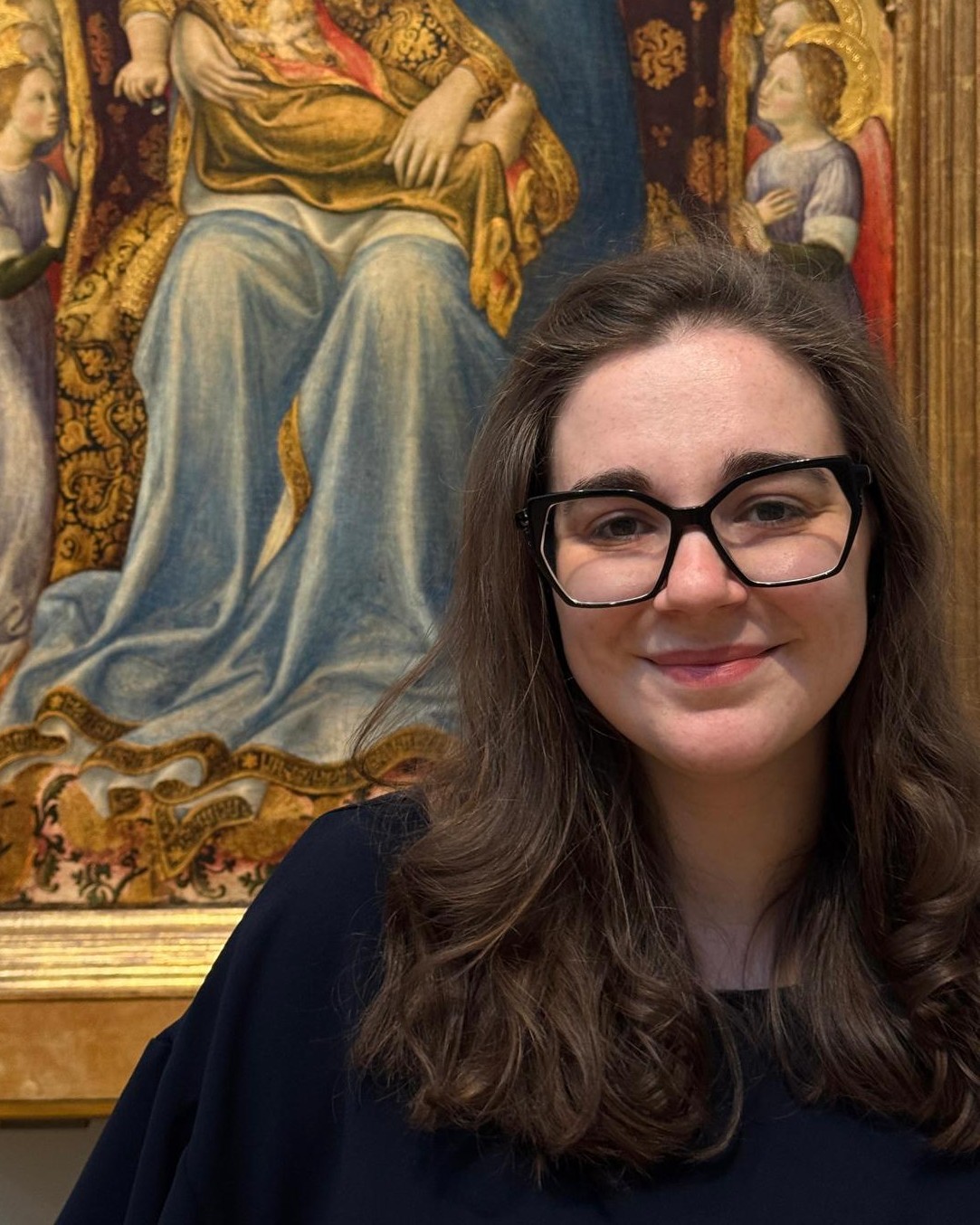
Vittoria Cervini is Assistant Curator of Paintings at the Royal Collection Trust, working with the Flemish, Dutch and Italian paintings in the collection. She was previously Assistant Curator of Art at the Queen’s House and National Maritime Museum (Royal Museums Greenwich). She studied at the Courtauld Institute of Art for her BA (Hons) and MA in History of Art, specialising in the study of Early Netherlandish paintings, while maintaining a broader interest and expertise in seventeenth-century European painting and the history of collecting.
I studied the MA History of Art Special Option Reinterpreting the Object. Late Medieval and Renaissance Art in Northern Europe c. 1360-1520, an inspiring course led by Professor Susie Nash. An excitingly formative experience, it fundamentally shaped my engagement with works of art as material, physical objects. By adopting an empirical approach, the course nurtures a way of seeing that is both attentive and inquisitive, cultivating crucial research and writing skills that are essential for an art historical career, but also adaptable to innumerable contexts.
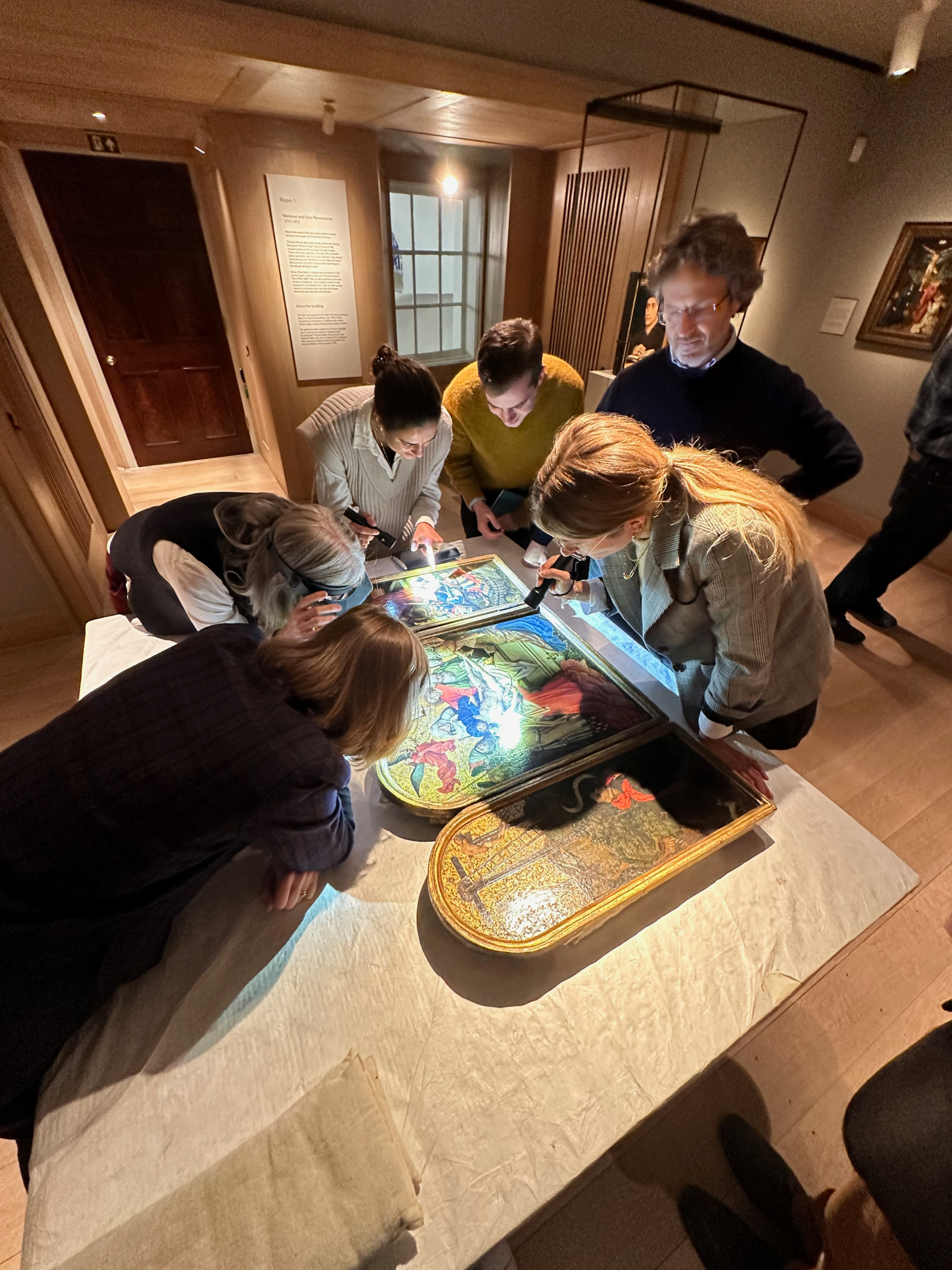
This is a course that compels you to slow down and engage as closely as possible with paintings, sculptures, manuscripts, and all sorts of objects, often behind the scenes. The first assignment, a 3-hour long slow-looking exercise, was pivotal in honing my ability to perform visual analysis and question the physicality of an object. The following essay entailed a critical reassessment of an object’s history, investigating how its provenance and shifting reception over time have shaped both our understanding of it and the scholarship surrounding it.
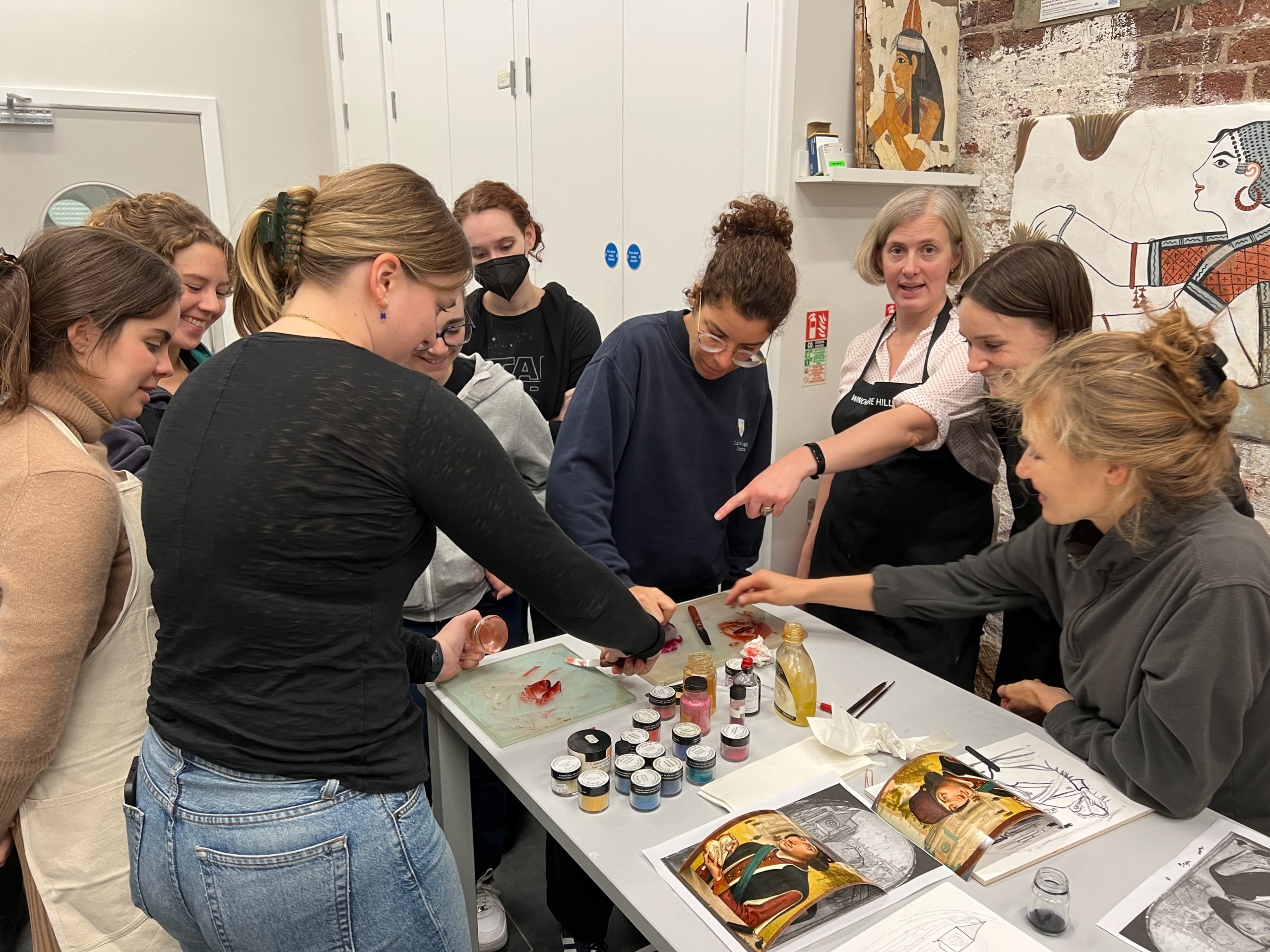
The research I enjoyed most in this course was, without question, the “Mystery Object” essay. We were each assigned an unknown or understudied object from a museum storage or a private collection and were tasked to produce an in-depth essay, following the format of a catalogue-raisonné entry. This involved analysing its condition, iconography, functions, as well as its provenance and display history, essentially building a new body of literature and bibliography from the ground up. Through close observation and questioning how, why, and for whom these objects were made and displayed, I found the experience immensely rewarding and intellectually enriching, developing critical skills I now draw on daily in my work.
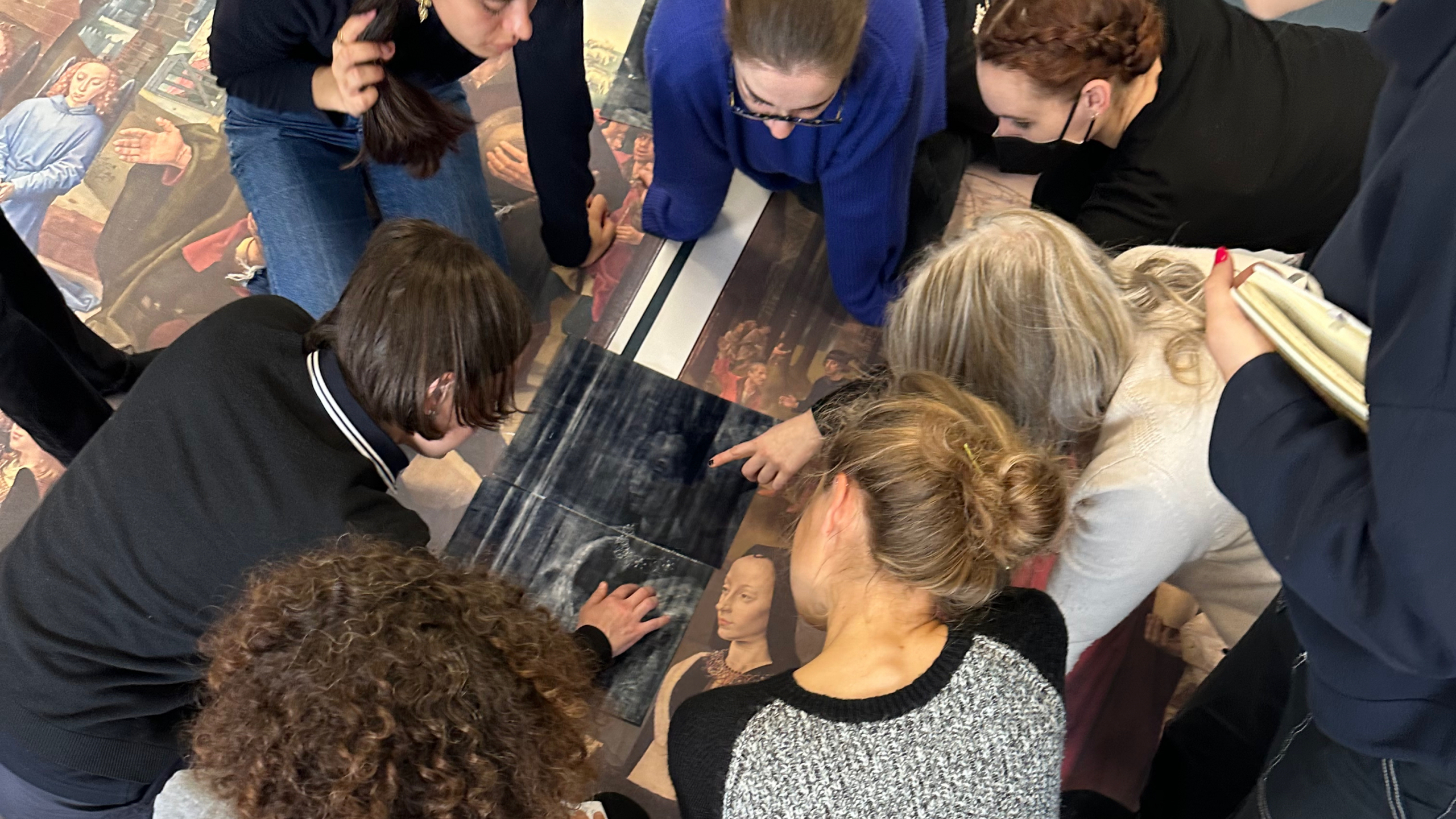
In the course, we gained familiarity with complex technical examination images (infrared reflectography, x-rays and Macro XRF to name a few) and learnt how to undertake archival research (including historic inventories, contracts, guild regulations), while being constantly in contact with museum conservators, curators, and other specialists in the sector.
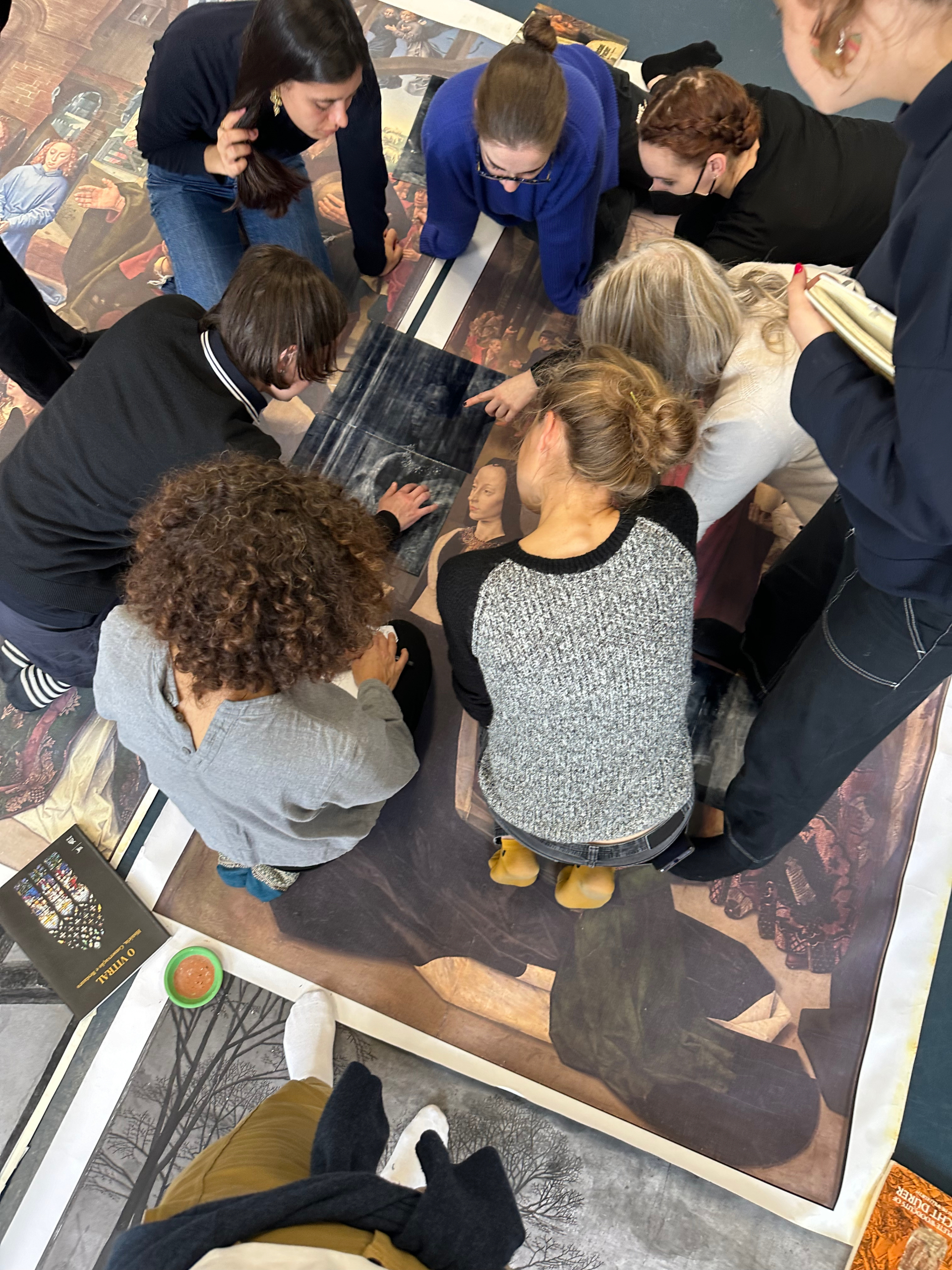
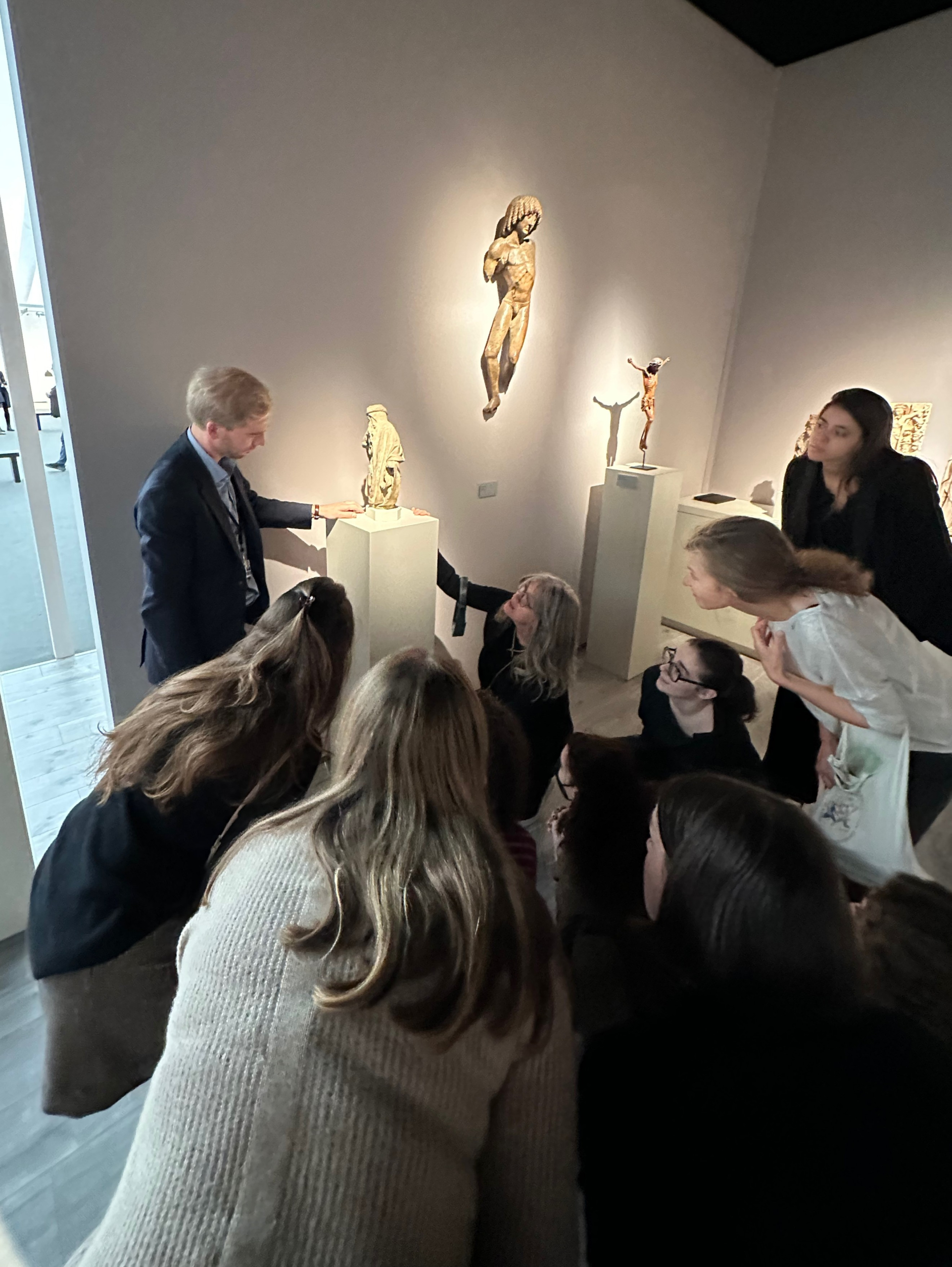
As part of the course, we visited art fairs (Frieze Masters) and did multiple trips to London and other UK-based collections, handling and analysing objects first-hand, often behind the scenes. We even travelled to Bruges, Leuven and Ghent, having the incredible opportunity to see the celebrated Ghent altarpiece in conservation and talk with conservators to understand the complexities of such a monumental treatment.
Susie Nash is an extraordinary mentor and supervisor. She gives extensive constructive feedback on every assignment, whether it is written or oral, formal or informal. She is a highly respected scholar internationally, but also a very enthusiastic person. She has inspired and continues to inspire generations of students, pushing you at your very best and sharpening skills you may not even know you have.
There’s no pre-required knowledge to succeed (and enjoy!) this MA. All my initial uncertainties about not being an expert in late medieval art history before applying to this course have vanished: I could have not made a better choice. I now research and work with all sorts of paintings from across the centuries, and the way Susie Nash taught has significantly shaped my curatorial approach and interest in this field.