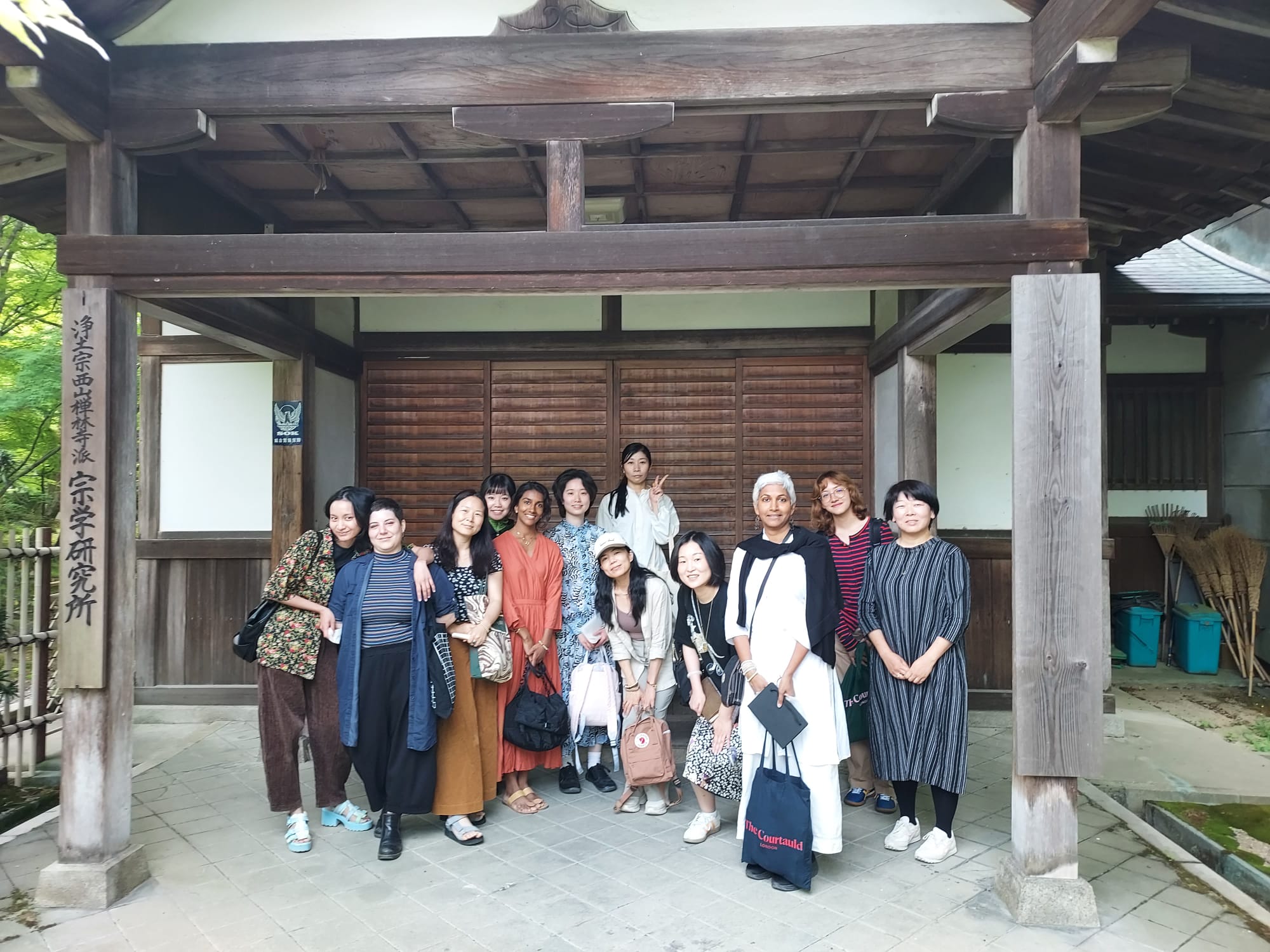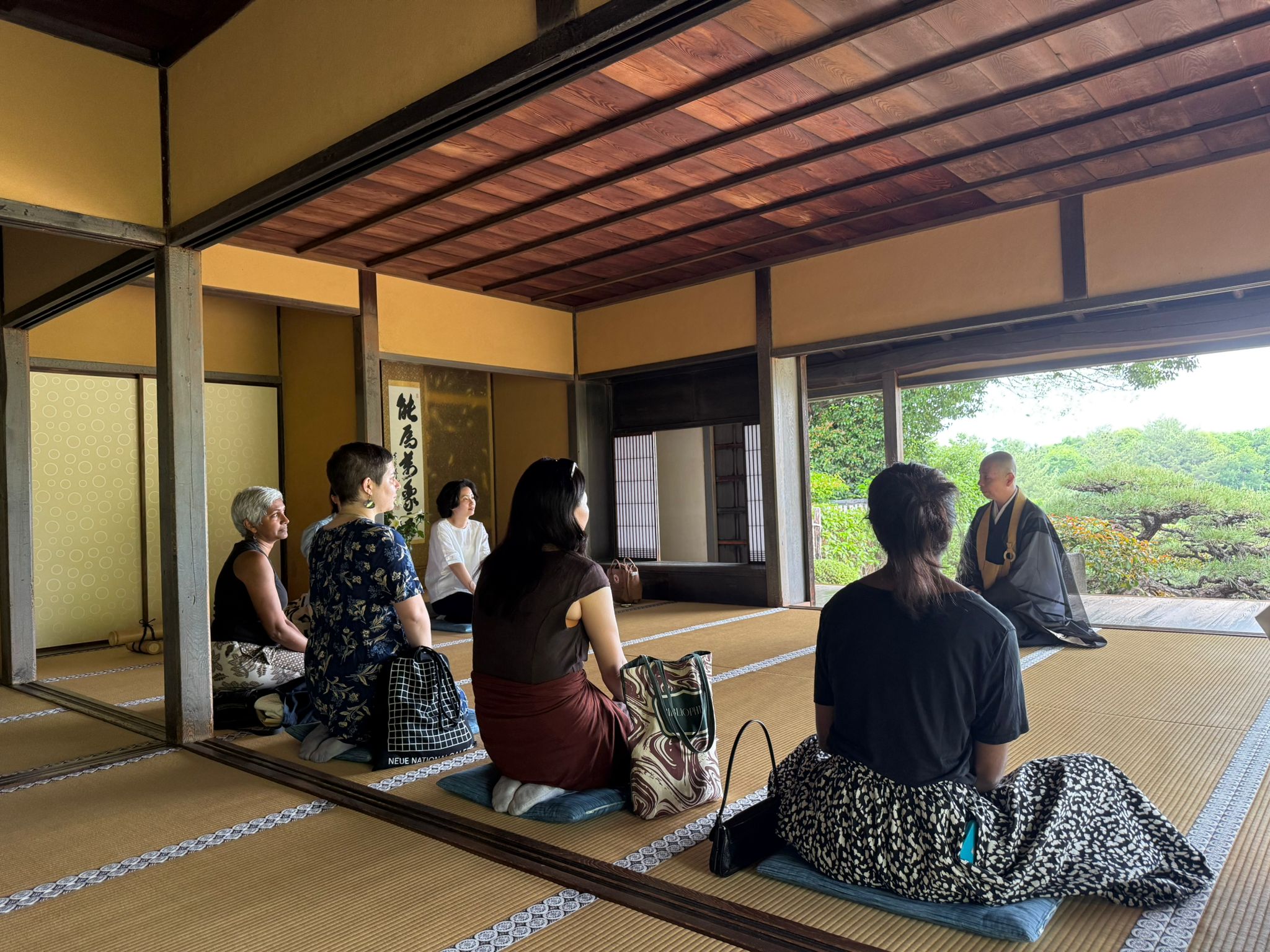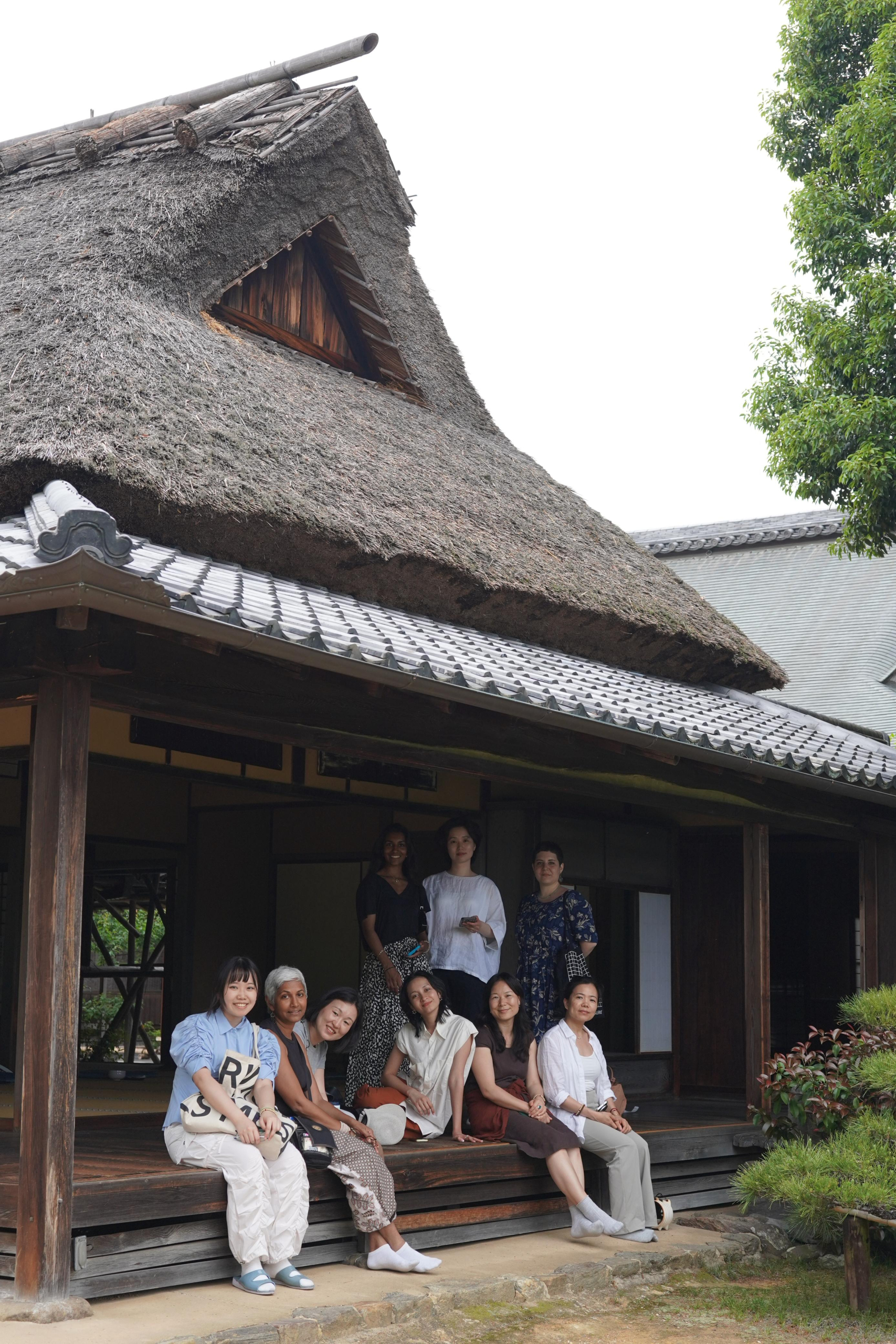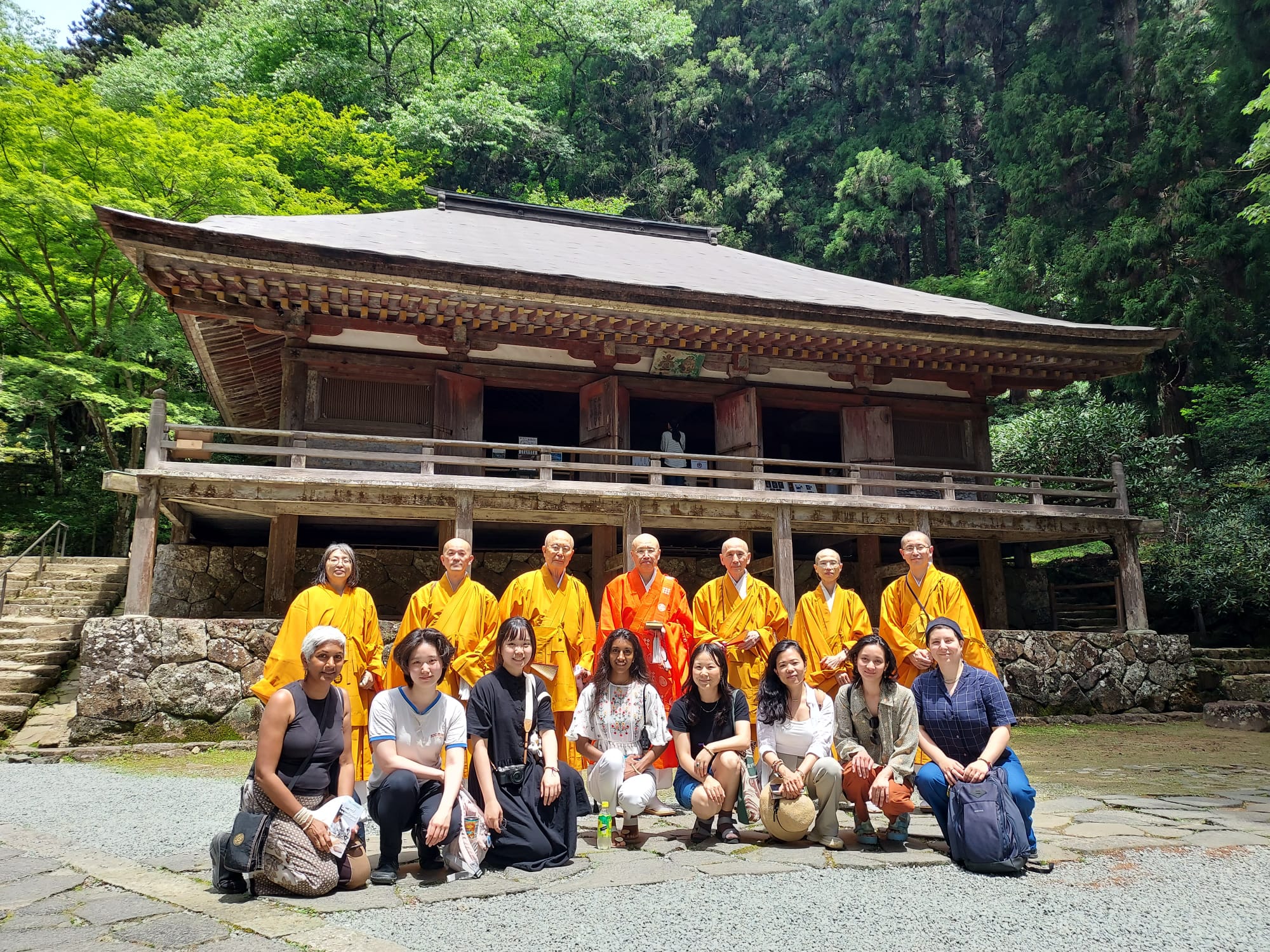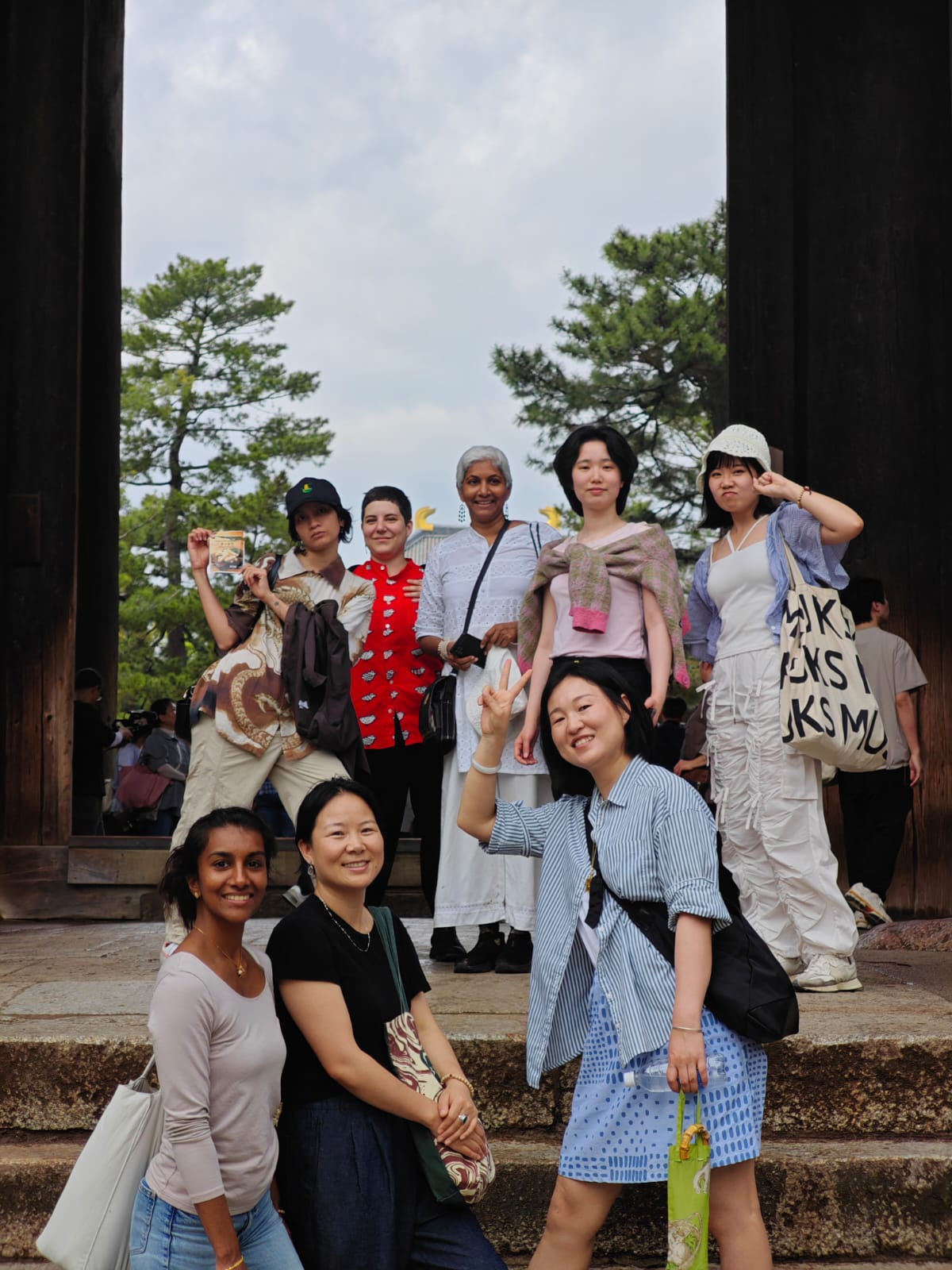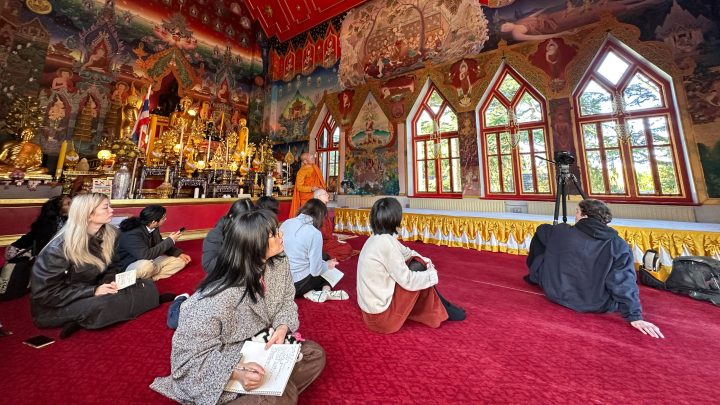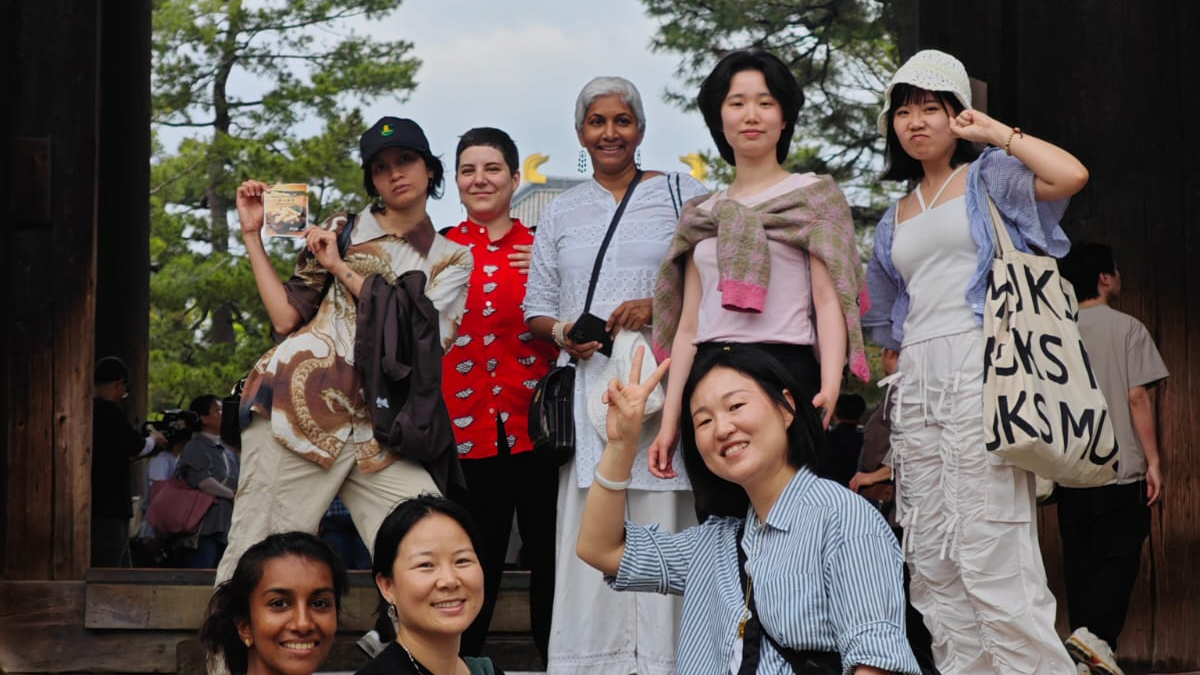
Experiential learning is an important component of the MA programme in Buddhist Heritage, exposing students to a rich body of Buddhist material culture through site visits to UK-based collections as well as a study trip abroad to develop appreciation for and to provide firsthand experience of conservation and management challenges.
The intensive 11-day study trip to Japan took place in May 2025. In preparation for this study trip, students learned from various Japanese studies specialists in the UK who presented on topics relevant to the study trip in a public lecture series in collaboration with the Sainsbury Institute for the Study of Japanese Arts and Cultures and the Royal Asiatic Society.
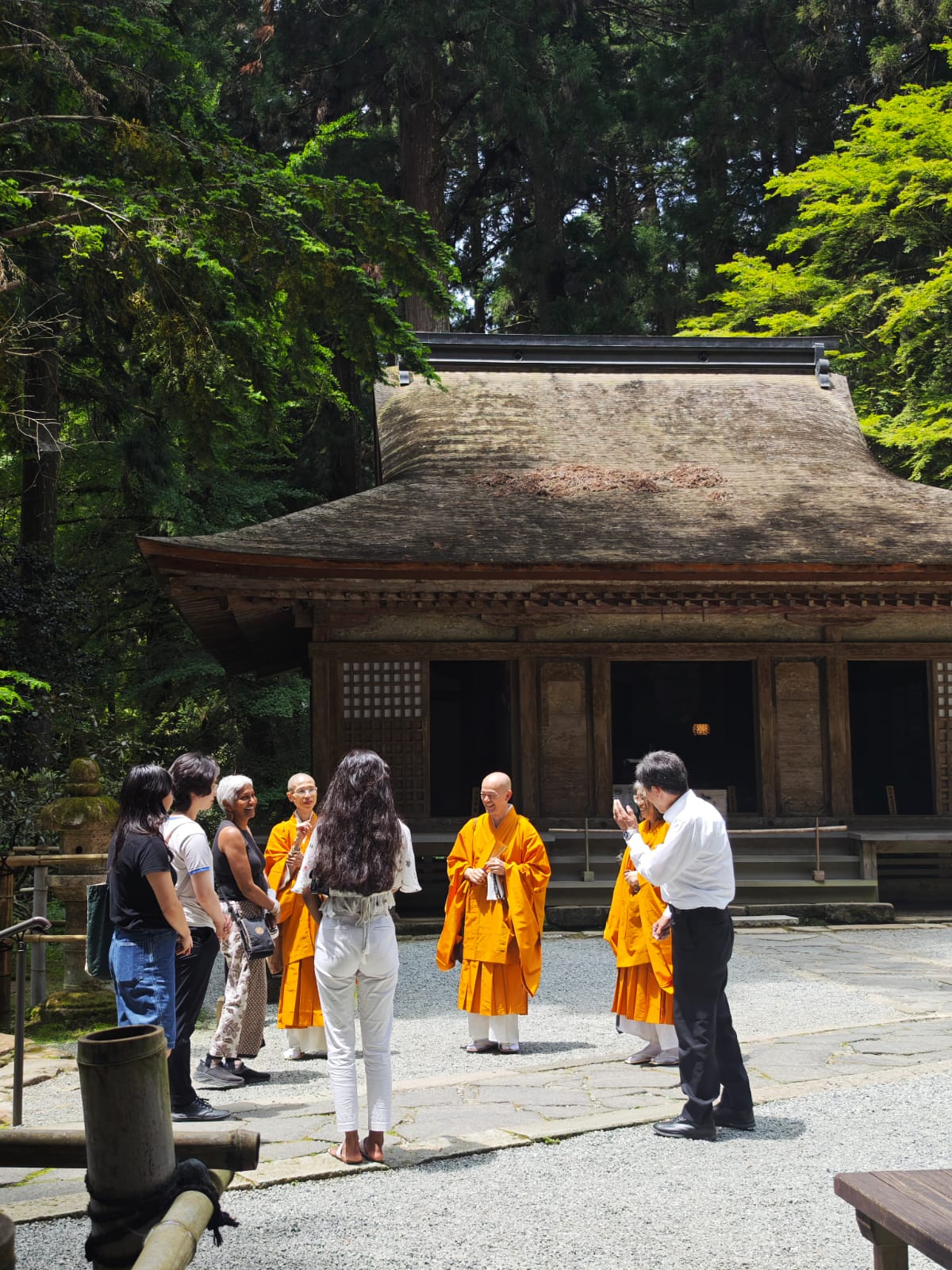
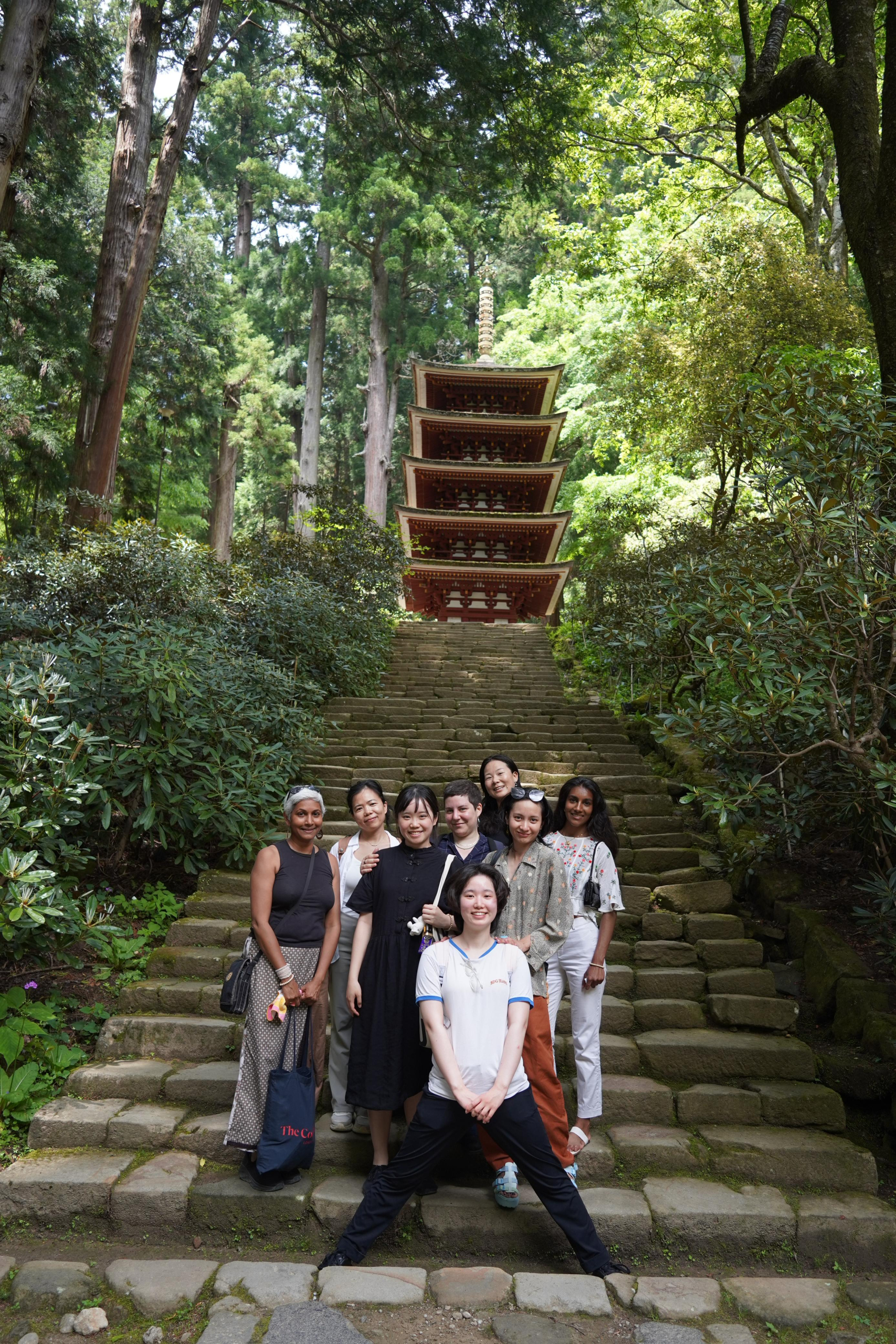
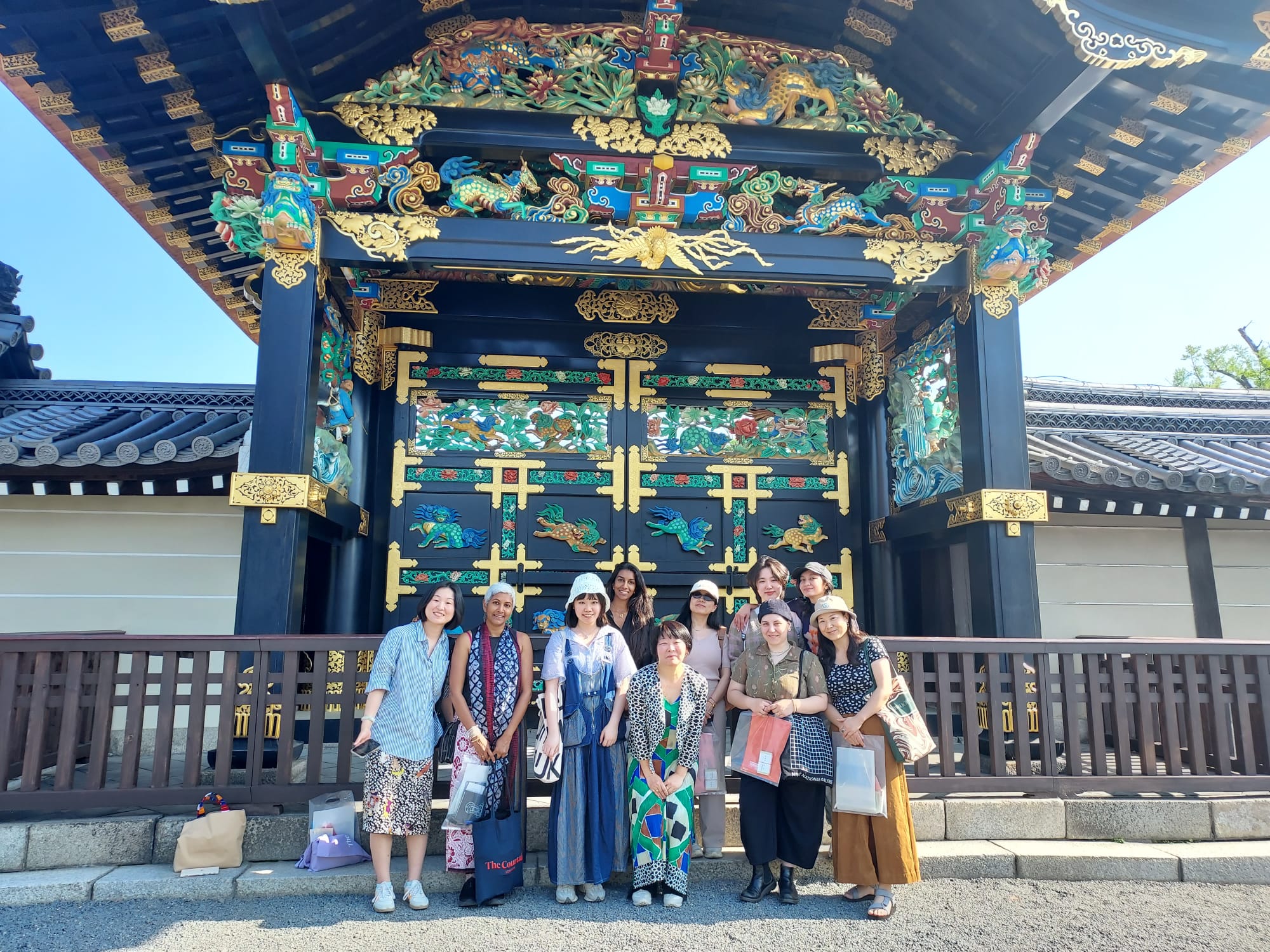
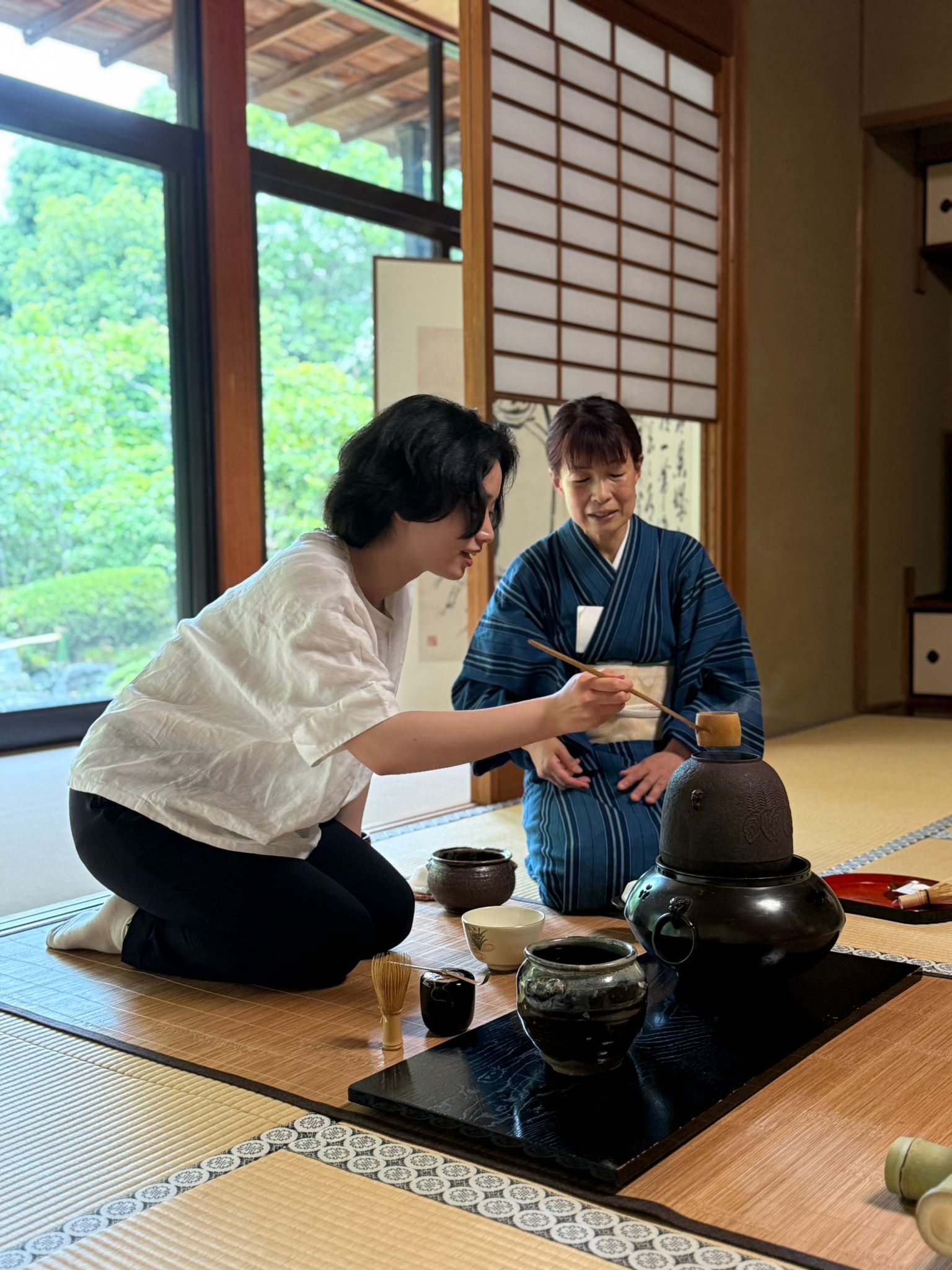
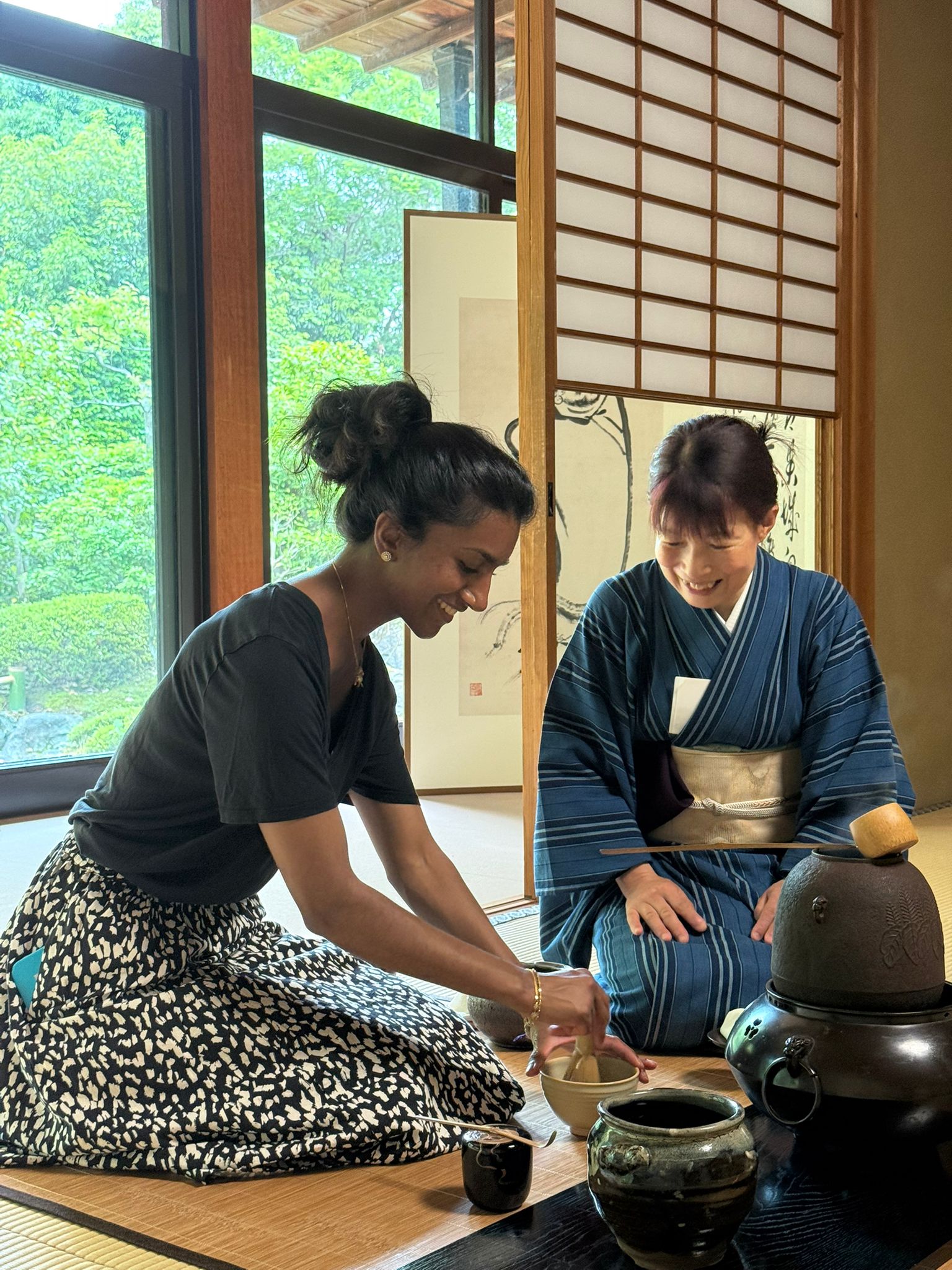
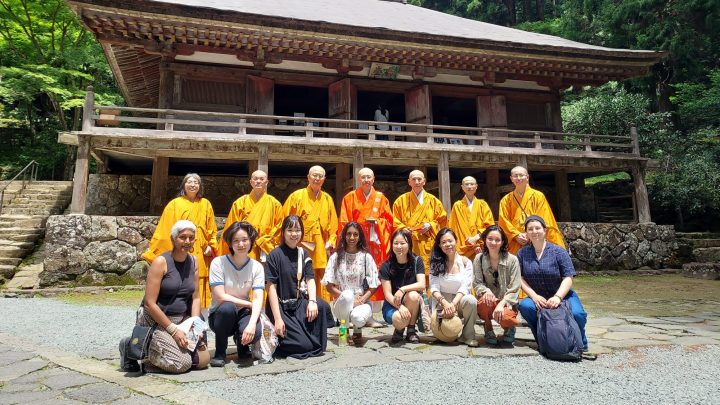
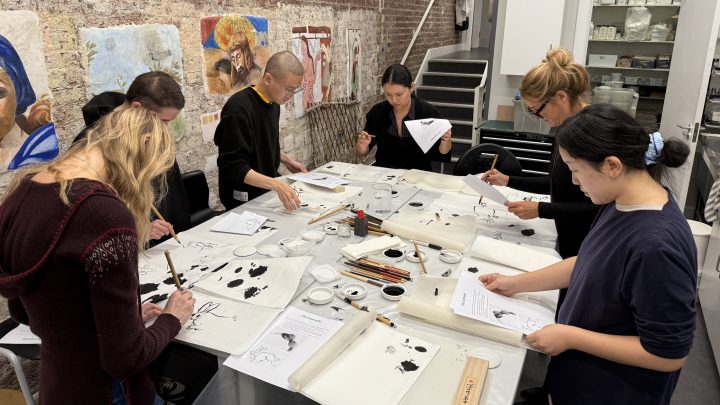
Students visited temples and museums in the World Heritage sites of Kyoto, Nara, and Koyasan. Highlights of the trip was a visit to Saihoji in Kyoto where students transcribed portions of the Lotus Sutra and participated in a tea ceremony at Jikoin in Nara. Students also climbed Muroji, an esoteric mountain temple outside of Nara, where a Buddhist nun guided us through the various image houses.
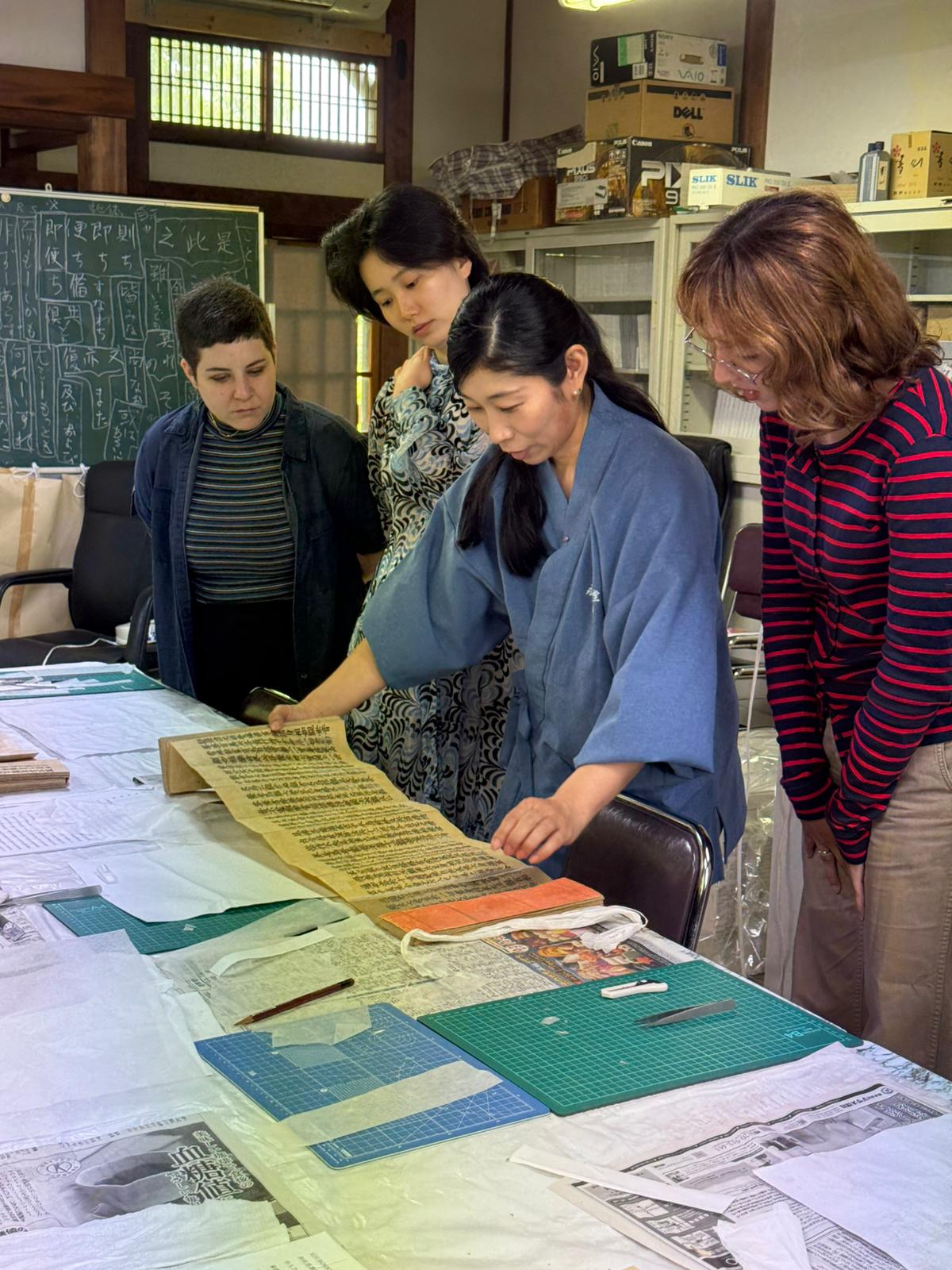
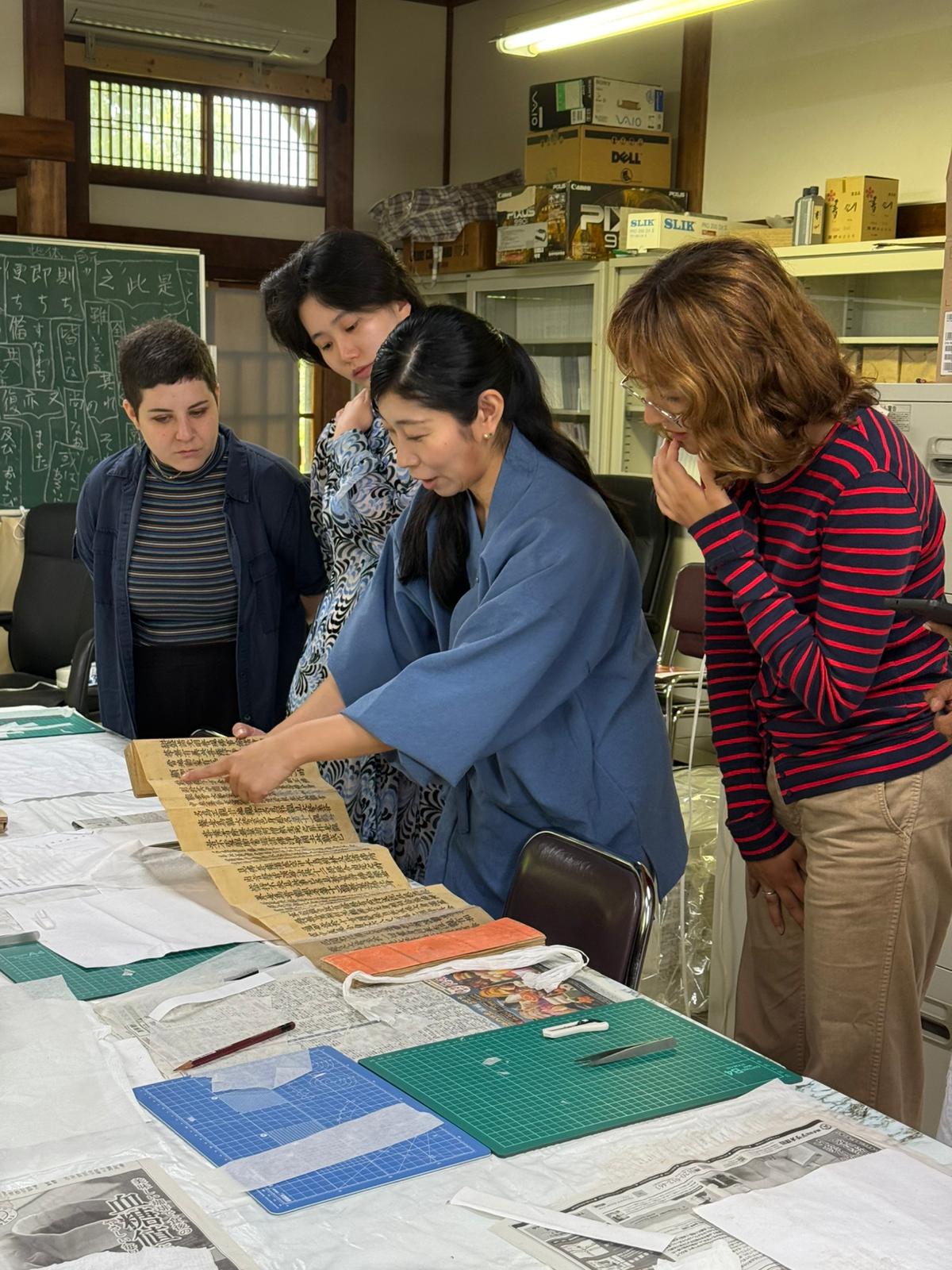
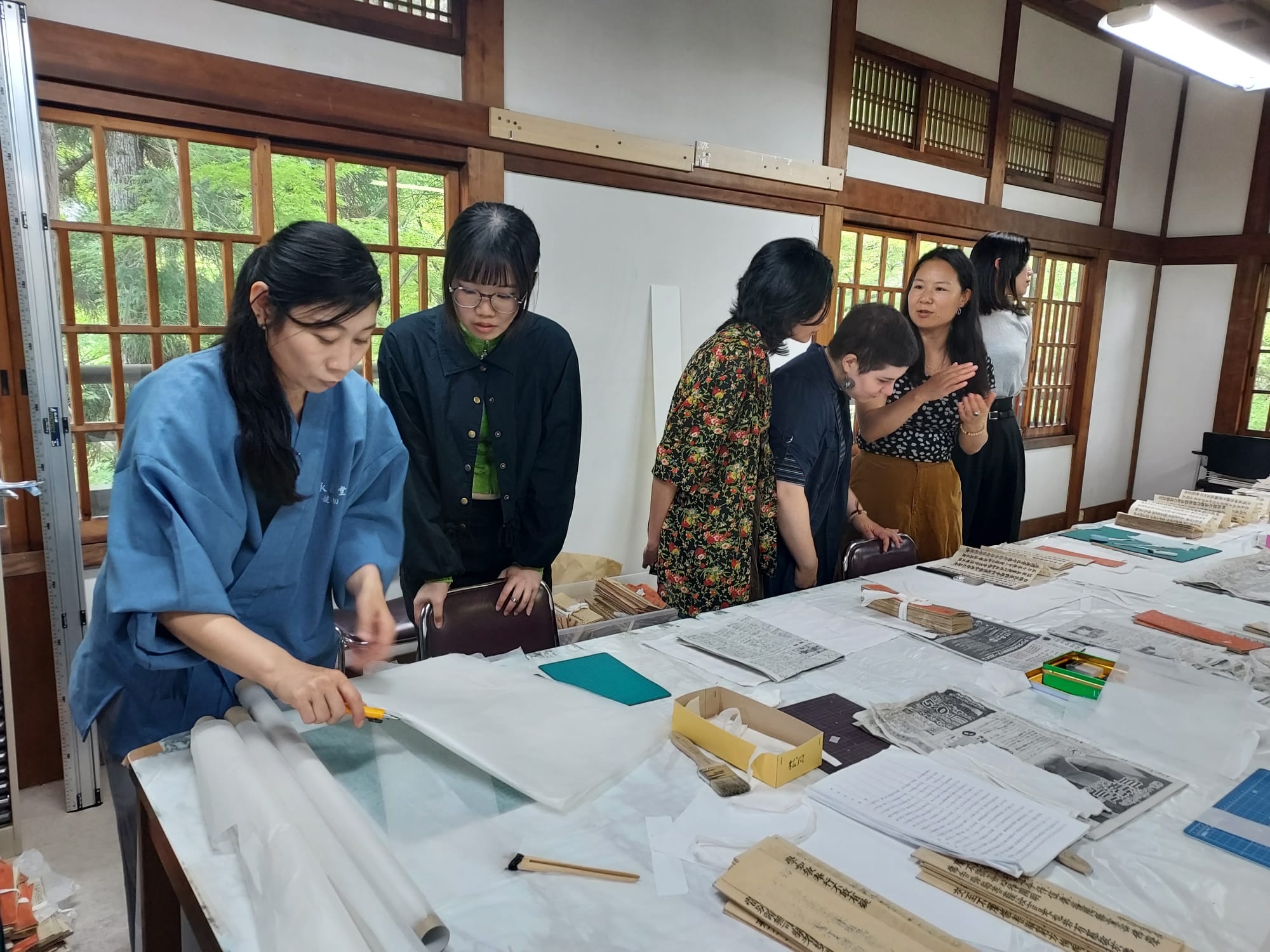
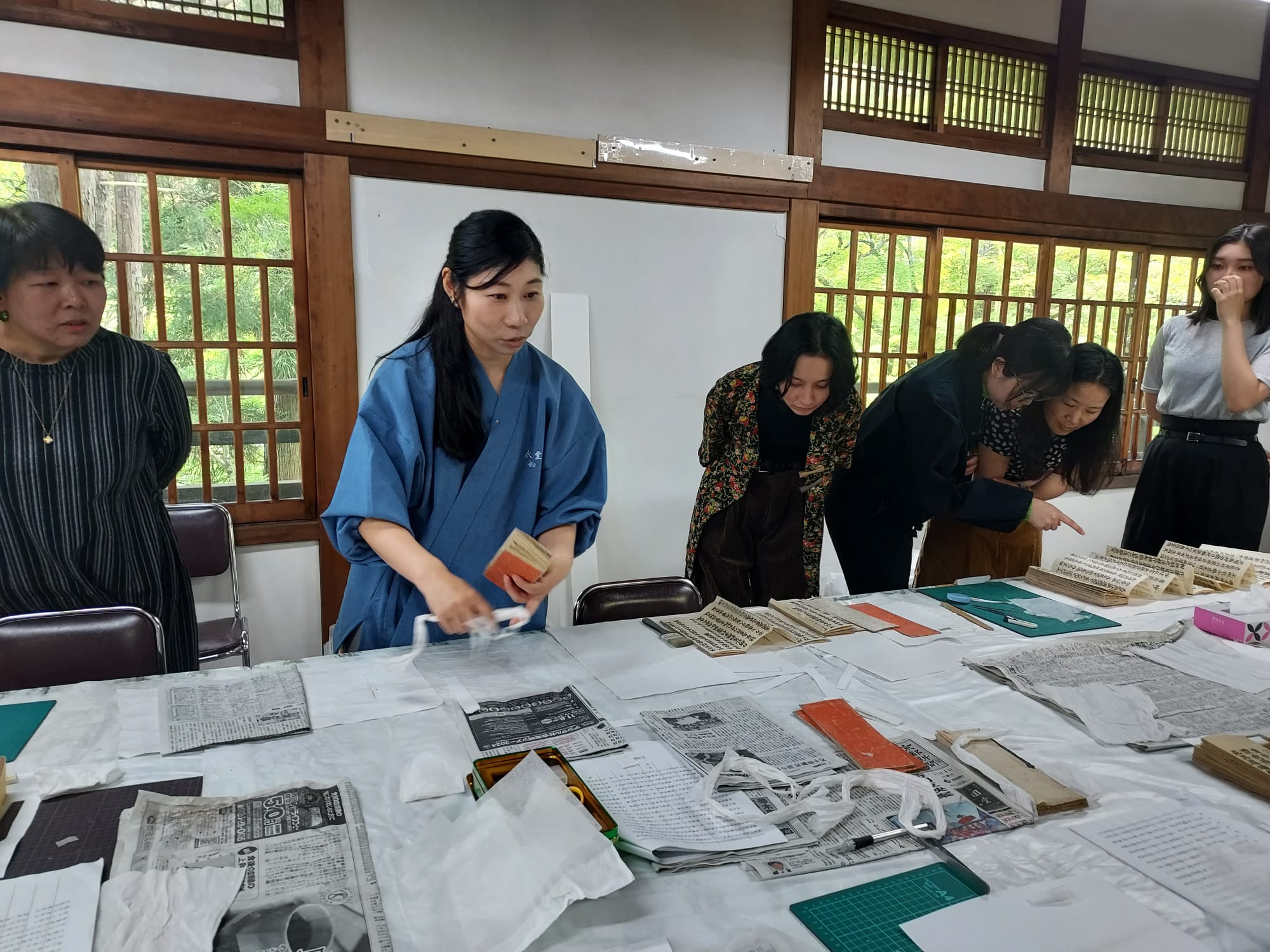
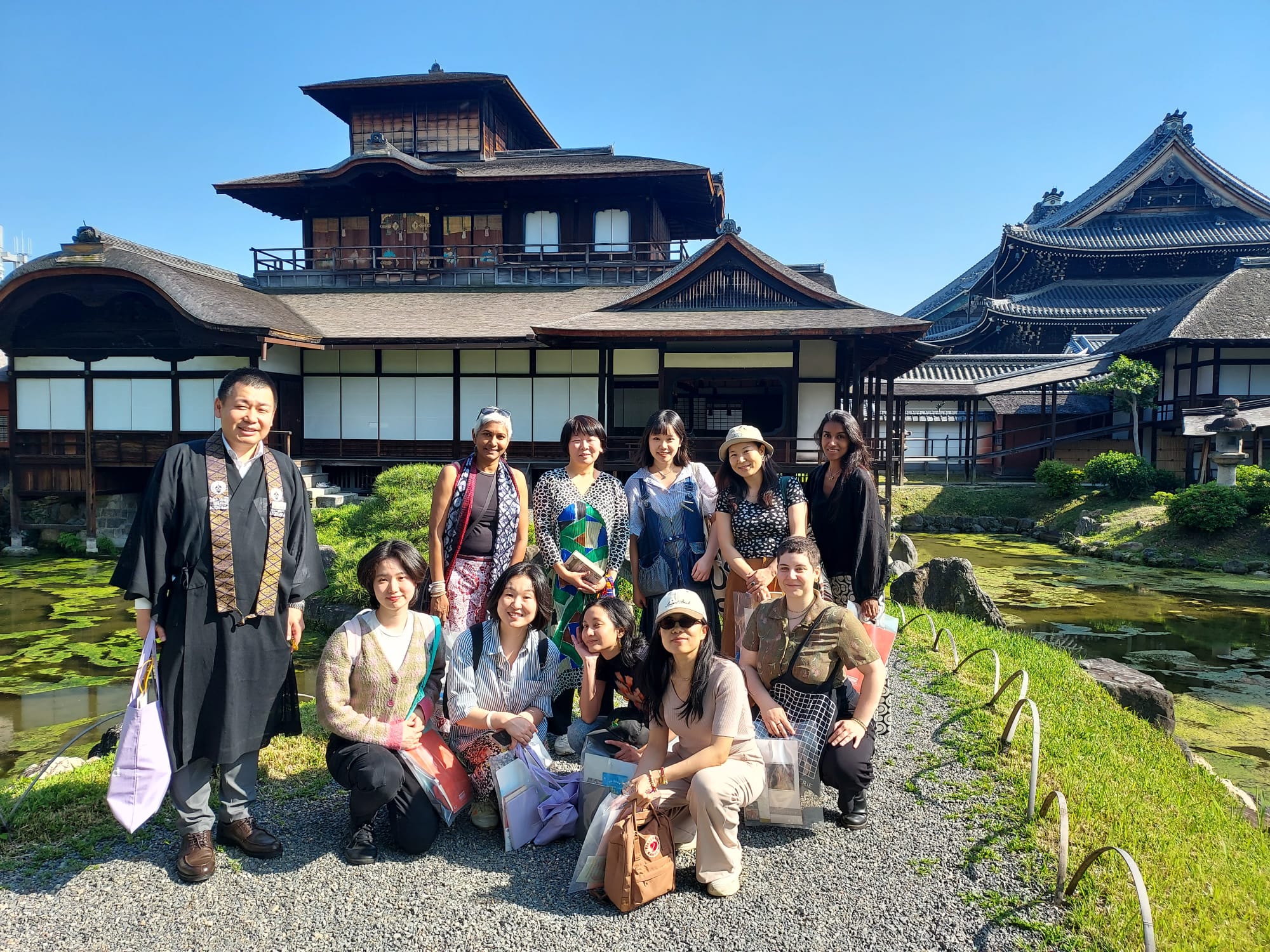
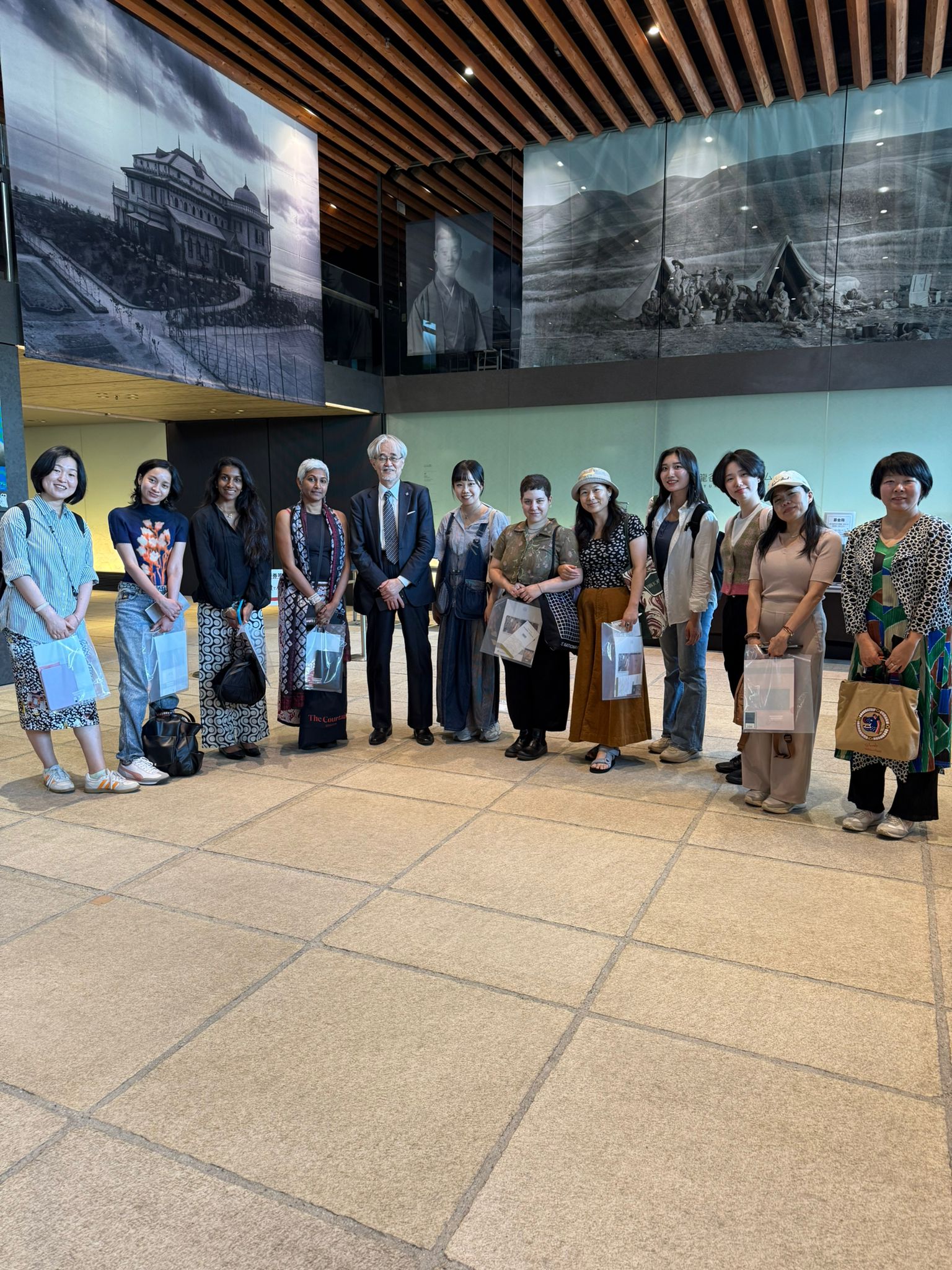
The Ho Centre and MA programme was able to establish a new relationship with Ryukoku University, the oldest Buddhist university in Japan. Thanks to this new connection, students had two guided visits of two temples: Nishi Honganji and Eikando in Kyoto. At the latter temple, students were able to visit the temple’s manuscript conversation studio and learn about the volunteer efforts of the temple’s Buddhist community. Students observed a special ceremony for the succession of priests and experienced the ways in which Buddhist heritage exists in a multi-sensory landscape. Students were able to compare the ritual traditions of two different types of Buddhisms as they also experienced the esoteric tradition when visiting Koyasan.
During the study trip, students not only visited a number of World Heritage sites, but also many museums: Nara National Museum, the Kyoto National Museum as well as temple treasure halls and temple museums (Byodoin Museum, the Horyuji Museum, the temple treasure halls at Toji and at Koyasan).
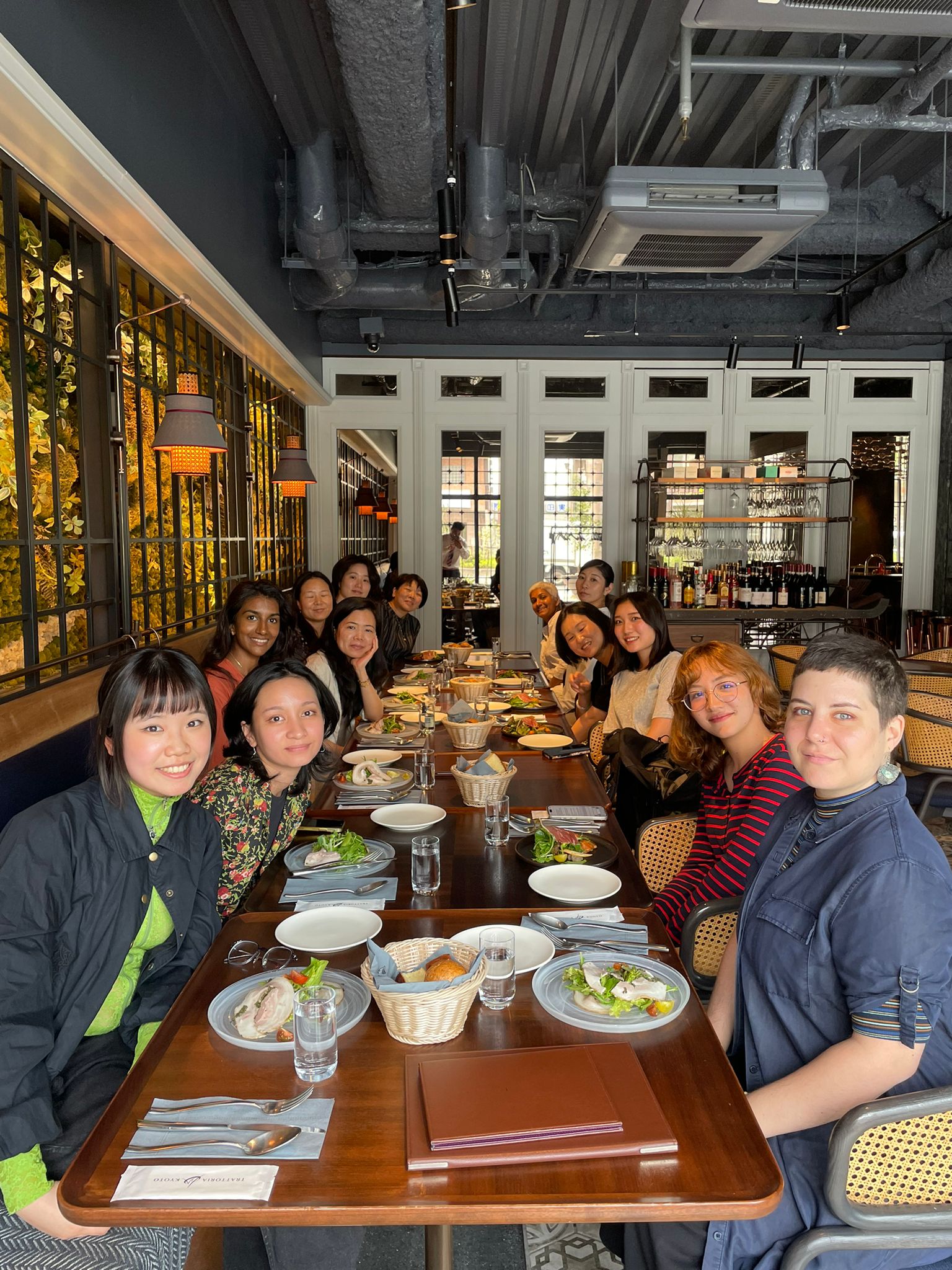
Students were also given ample time to engage in free activities which gave them the opportunity to explore these World Heritage Sites by themselves as well as with students from Ryukoku University.
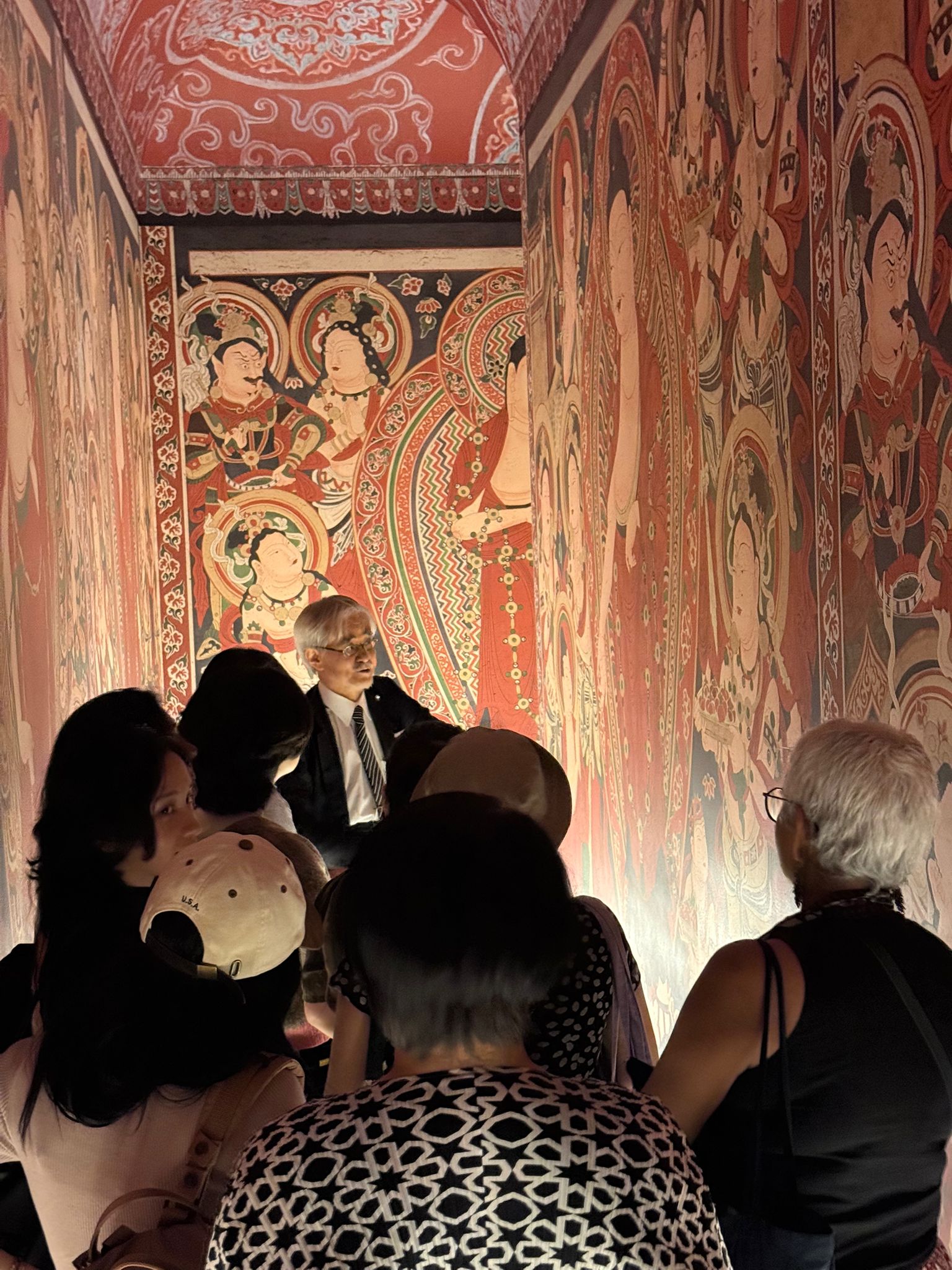
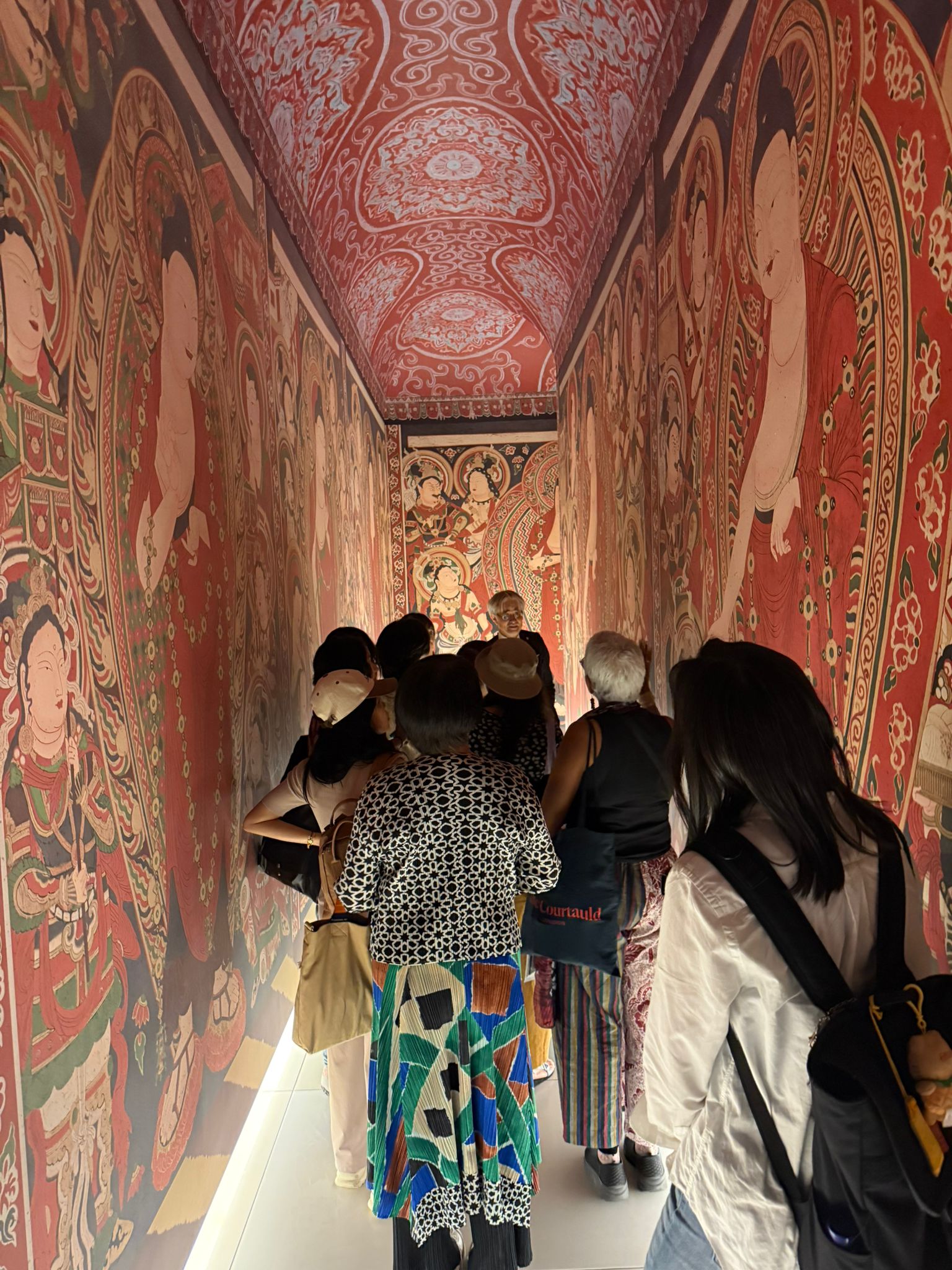
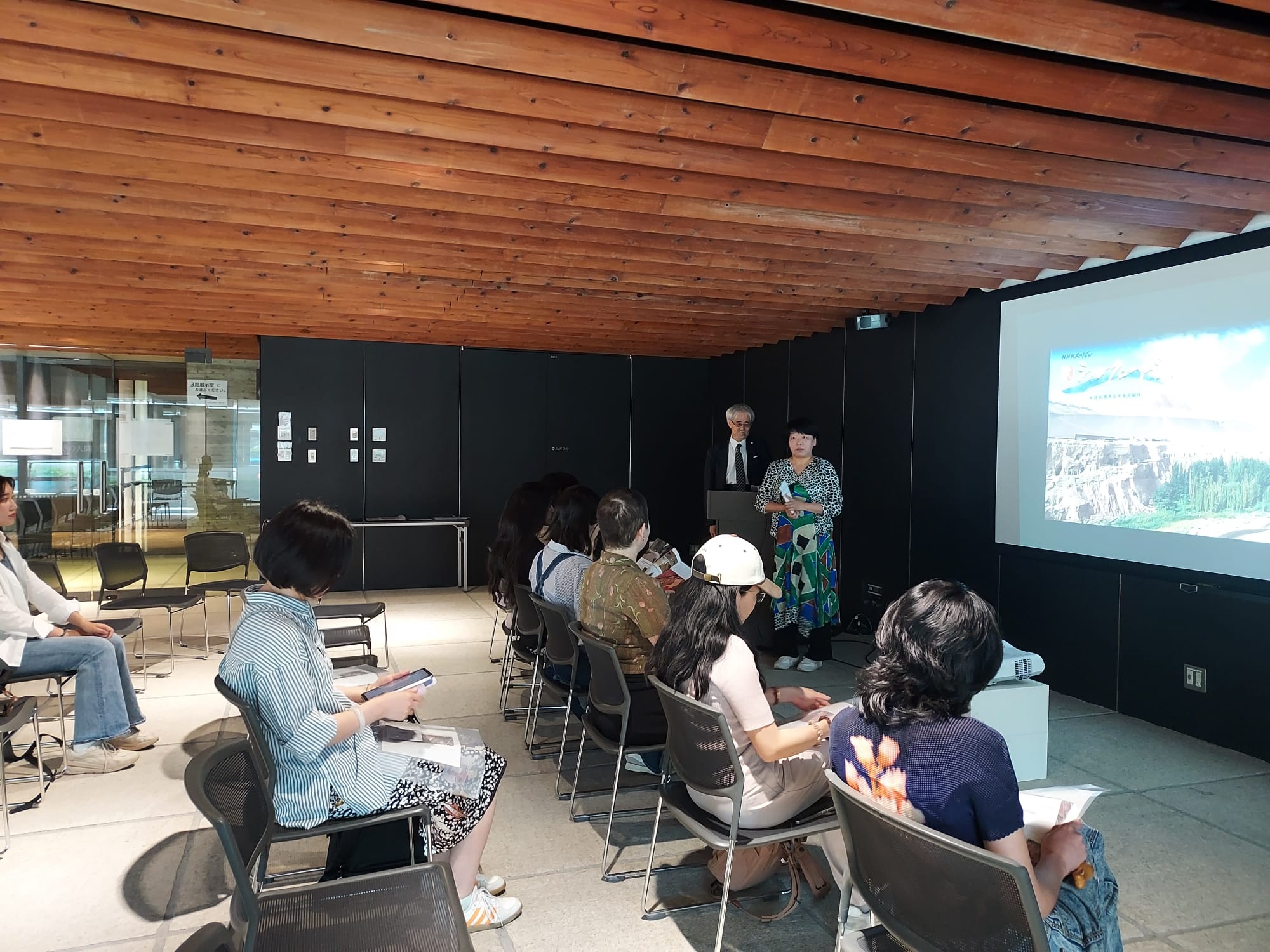
All onsite teaching during the study strip was provided by the Courtauld Institute’s faculty with contributions by the following international guest lecturer: Professor Irisawa Takahashi of Ryukoku University, who spoke about the digital reconstruction of the Bezeklik caves in China. Students also met and learned from Japanese art historians, Buddhologists, and Buddhist monks, who shared different perspectives in the study of the Japanese Buddhist heritage. Our guest lecturers critically brought the heritage sites to life and gave students valuable insights on which they were able to draw upon during the rest of their study trip and MA Programme.
The Programme is designed to inspire students to develop a sensitivity to world cultures and religions, and furnish them with practical skills and critical thinking needed for a career in the field. The students acquired an understanding of the diverse traditions of Buddhism in the programme, and are encouraged to apply this knowledge within the broad field of cultural heritage and management.
Japan (May 2025)