Call for Papers: Whose Buddha? Communities, Ethics and Buddhist Material Heritage
16-18 June 2027, The Courtauld Institute, Vernon Square, London.
Over the past decade, debates around the colonial entanglement of museum collections, ownership of cultural heritage, and restitution have become increasingly mainstream and polarising in the public domain. This scrutiny has created urgency for the museum and heritage sector to address these issues, leading to heightened focus on provenance research, restitution (mostly to nation-states), and working with communities. Published accounts and case studies tend to focus on successful outcomes such as returns or co-curated exhibitions, but a “black-box” approach leaves the methods, methodologies, negotiations, tensions and failures of such initiatives largely invisible.
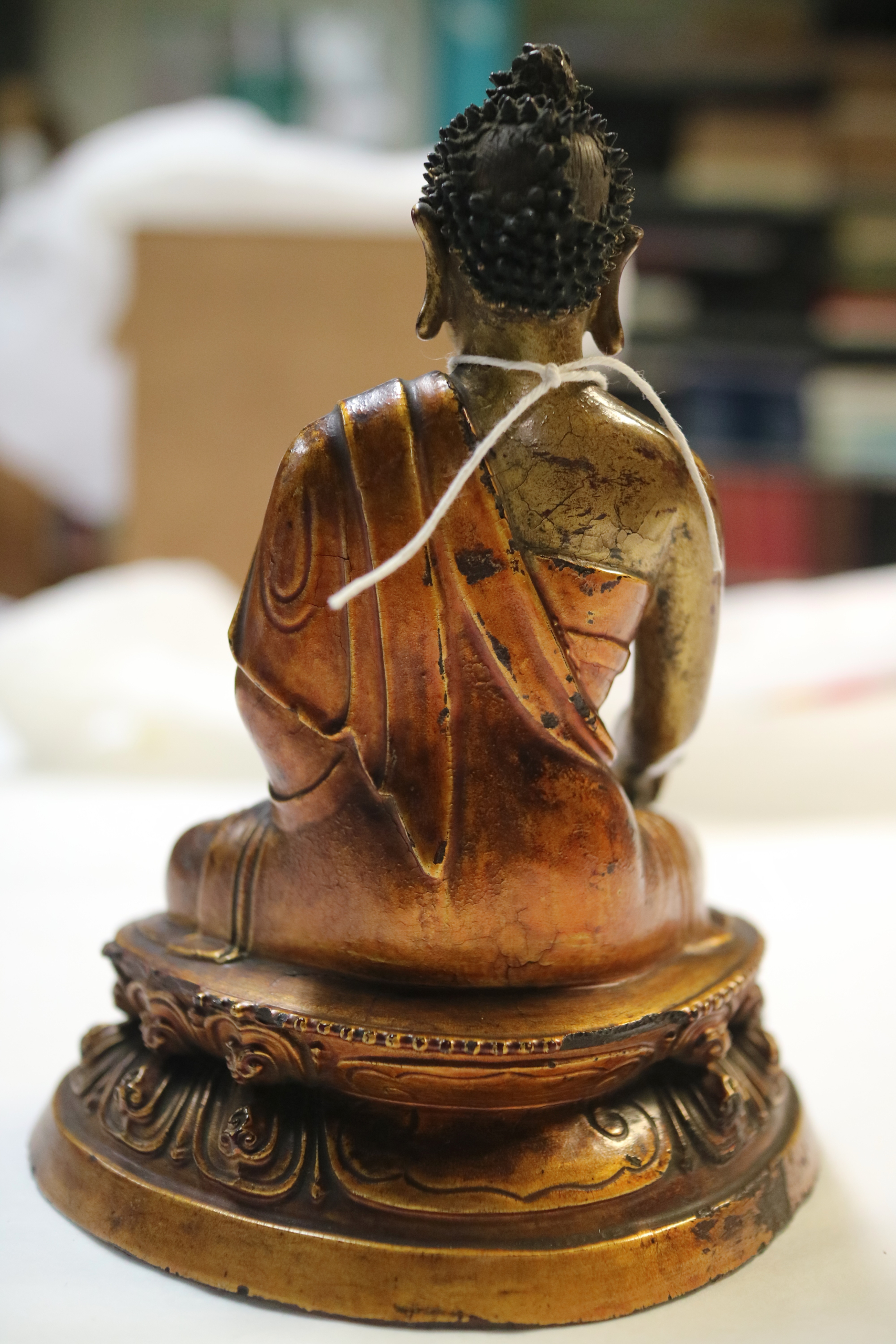
This interdisciplinary conference, organised by the Robert H.N. Ho Family Foundation Centre for Buddhist Art and Conservation and the UK Association for Buddhist Studies (UKABS), focuses on Buddhist material heritage in its broader sense as a lens for these debates. That includes images, relics, manuscripts, ritual objects, architecture, sacred sites, and intangible practices. We invite contributions that focus on the process rather than the outputs and examine the ethical, religious, legal, political and practical dimensions of how Buddhist heritage is collected, studied, cared for, displayed, contested and returned. Contributions that embrace Buddhist practice/lived religion and material culture more generally are also welcome. The conference is open to all relevant disciplines, and we particularly encourage proposals that engage thoughtfully with communities, regions, traditions and topics that have been historically underrepresented or under-studied in Buddhist studies and heritage scholarship.
The deadline for abstracts is 14th December 2026, and outcomes will be communicated by 18th January 2027.
Call for Papers: Storytelling in Medieval Art
The Courtauld Medieval Postgraduate Colloquium (Friday 5 March 2027, London, UK)
Deadline for submissions: Friday 11 December 2026.
In societies driven by efficiency, convenience and information abbreviation, storytelling is slowly losing importance. Our eyes skim, our fingers swipe and our ears shut out external noise as our minds become easily saturated. However, storytelling has historically played an essential part in shaping humanity. It helps us explain our origins, our motives, our feelings, our actions, our faiths and our destinies. It allows us to moralise on human behaviour, celebrate our achievements and condemn our mistakes.
This need to tell stories is reflected in a wide variety of medieval art. Byzantine ivories stage miniature imperial processions, while monumental Italian frescoes depict triumphal entries. Jewish codices illustrate Moses receiving the Ten Commandments on Mount Sinai, whereas Islamic manuscripts picture Muhammad experiencing his first revelation in the Cave of Hira. Romanesque capitals warn against the Seven Deadly Sins, while German woodcuts tell cautionary tales of female seduction. How did medieval viewers interpret and experience such stories? How did narratives change through translation and adaptation? How were these stories transmitted to us?
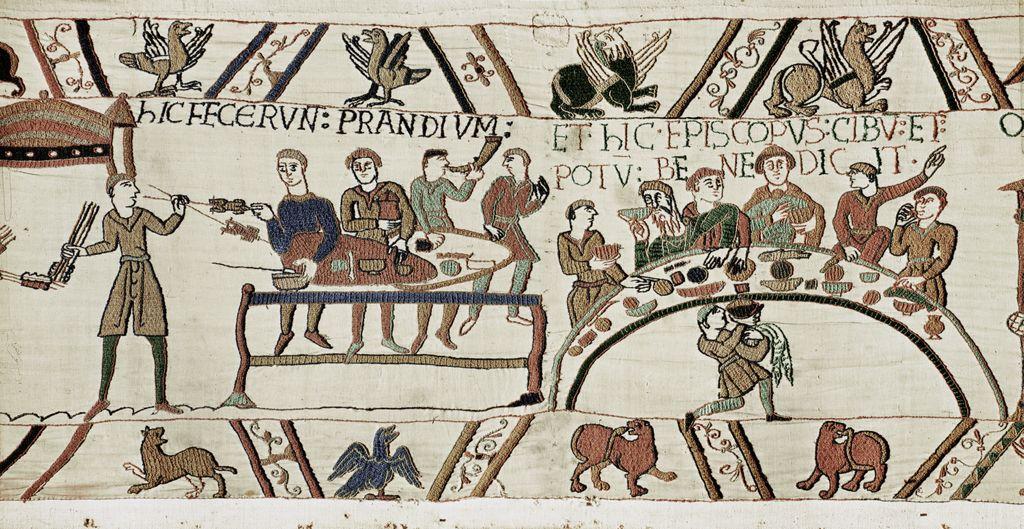
This colloquium seeks to emphasise the significance of storytelling to art historical practice. Coinciding with the historic exhibition of the Bayeux Tapestry at the British Museum, it will show that narratives of the past inspire and inform the narratives of today.