Behind Closed Doors: Art and the Self from 1850 to the Present Day
Spring Term
Choose how you’d like to attend:
On Campus: Tuesdays, 12 January to 16 March 2027 (£245)
Online: Wednesdays 20 January to 24 March 2027 (£245)
From the middle of the 19th century a key motif emerges in art and literature: the intimate connection between the interior as an actual space and the idea of the ‘inner life’. In our lecture series, we will explore this connection and look at the wide-ranging representation of interior space as a lens through which to understand the evolution of modern consciousness.
We begin in nineteenth-century France, where writers Edmond and Jules de Goncourt and J.K. Huysmans developed the concept of a ‘retreat to the interior’, in which the domestic sphere became a sanctuary from the upheavals of modern life: industrialisation, urbanisation, global conflict and shifting social norms. Women artists like Mary Cassatt and Berthe Morisot had no need to retreat from the public world, to which they were hardly permitted; the social life of the home was in fact one of the few sanctioned subjects of their art. Within these boundaries, however, they mapped the interior as a varied psychological terrain ranging from safe haven to gilded cage. At the furthest end of that scale, in Ibsen’s contemporaneous A Doll’s House, the image of the miniature domestic interior perfectly evokes the oppressive infantilisation of Nora as wife and mother.
The idea of the domestic environment as metaphor for the self is further developed by artists and writers associated with the Symbolist movement. We will encounter both the ‘Intimist’ scenes of quiet domestic life in paintings by Édouard Vuillard and Pierre Bonnard and the more unsettling visions of Belgian Symbolists like Fernand Khnopff and Léon Spilliaert, whose depictions of shadowy, muted, or starkly lit interiors mirror their protagonists’ lonely, uneasy minds.
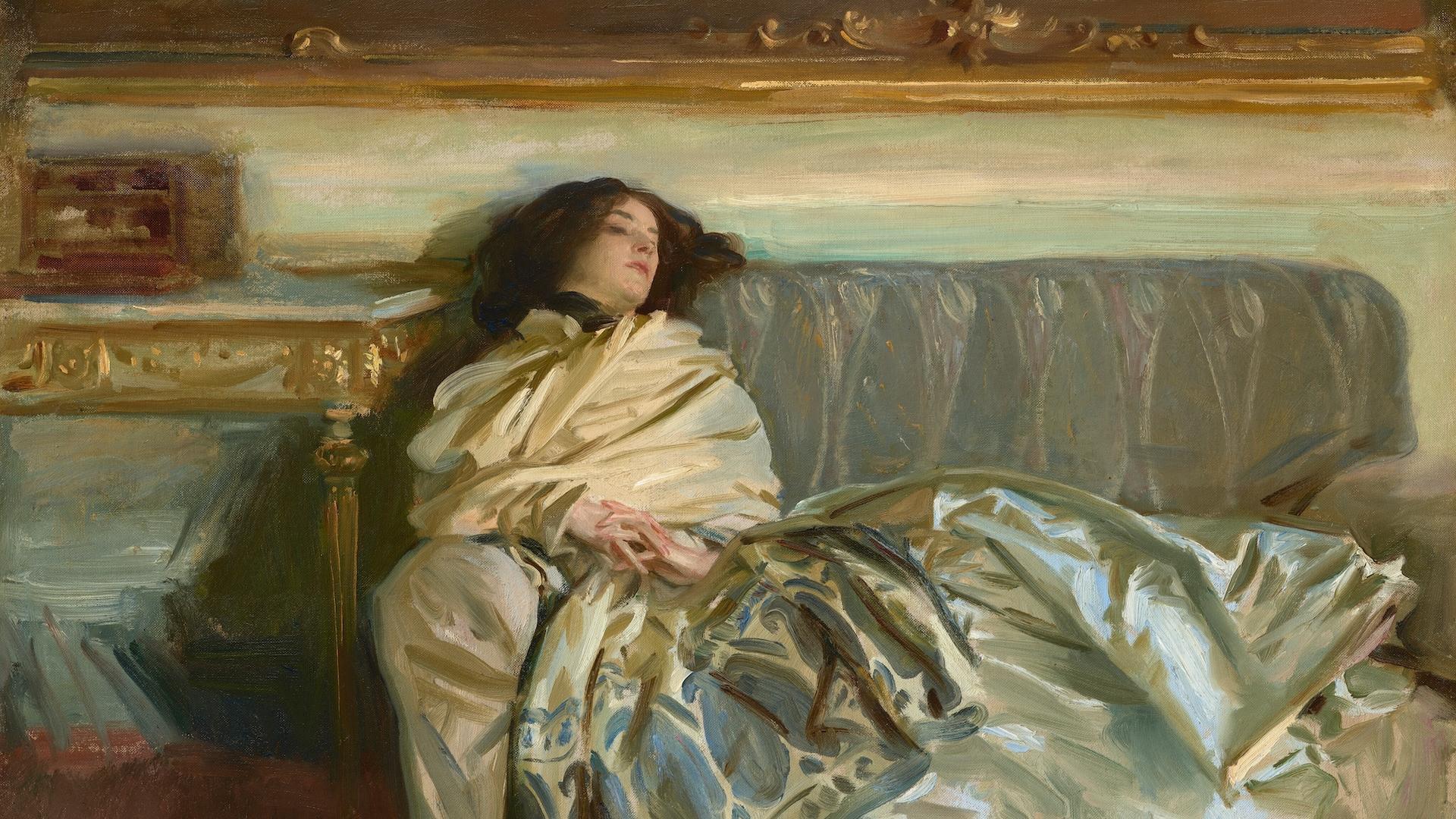
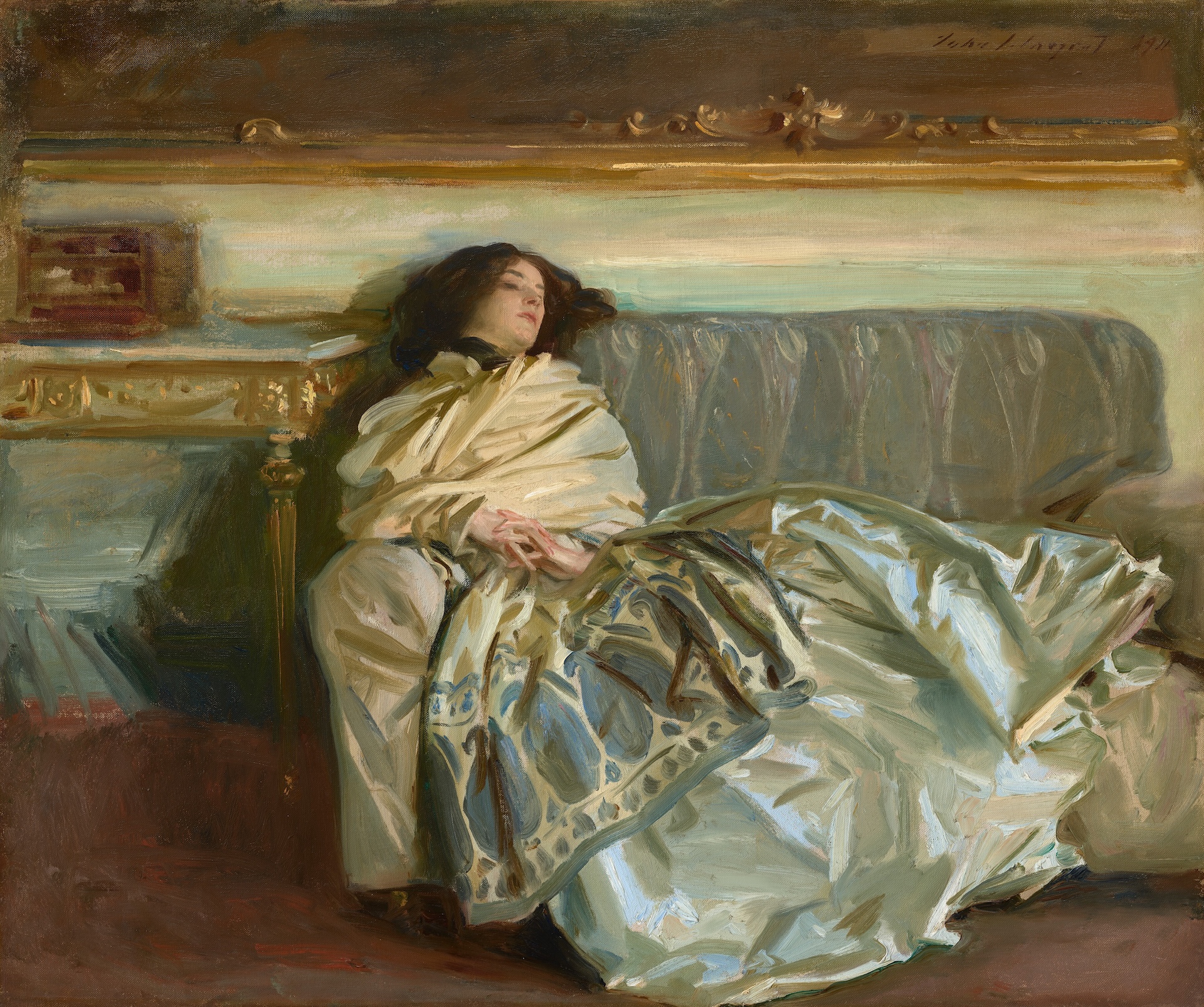
We will trace how such ideas migrated across the Atlantic through texts and artworks by Henry James, John Singer Sargent and James McNeill Whistler. As we move into the twentieth century, we first turn to the Bloomsbury Group, whose explorations of interior life and domestic space express an alternative vision of modernism, quite different from the more militant, ‘masculine’ energies of European avant-garde movements like Vorticism and Futurism.
We then consider Surrealism’s vivid excavation of the inner mind across painting and film, before turning to the work of Paula Rego, as a further distinctive lens on interior space as a site of memory, desire and disquiet.
Today, artists around the world continue to explore the domestic interior as both psychic space and physical refuge, and we conclude our series in conversation with contemporary painter Frances Featherstone.
Speakers: Dr Rose Pickering, Dr Will Atkin, Dr Wendy Hitchmough, Dr Elena Crippa, Frances Featherstone.
Moderator: Dr Anne Puetz
On-campus course delivery (12 January to 16 March 2027) £245
Lectures are at our Vernon Square campus at 19:00, followed by discussion and drinks; the course fee includes pre-course and further reading, and handout materials on our Virtual Learning Environment.
Online course delivery (20 January to 24 March 2027) £245
Pre-recorded lectures, released weekly over 10 weeks (Autumn and Spring terms) or 5 weeks (Summer term), and each lecture viewable until the end of the term; the course fee includes pre-course and further reading, handout materials and a discussion forum on our Virtual Learning Environment, and live Q&As for each lecture, delivered via Zoom on Wednesdays at 20:00 (London time).
| Booking option | Price | On campus delivery | Online delivery |
|---|---|---|---|
| Autumn + Spring | £460 (save £30) | Book on campus | Book online |
| Autumn + Summer | £345 (save £20) | Book on campus | Book online |
| Spring + Summer | £345 (save £20) | Book on campus | Book online |
| Full Year (Autumn + Spring + Summer) | £550 (save £60) | Book on campus | Book online |