Thesis: Art Under Scrutiny: A Human Rights Analysis of Artistic Expression, Surveillance, and Legal Boundaries
Supervised by Professor Steve Edwards
Advised by Dr Kyle Leyden
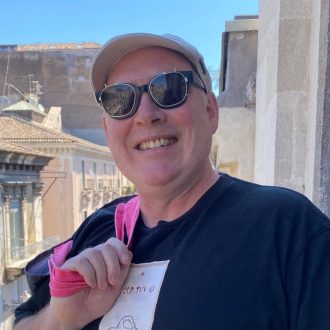
Stephen Cragg KC is a part-time PhD candidate at The Courtauld, researching the intersection of art history, human rights law, and surveillance studies.
Before beginning his doctoral research, Stephen completed a BA (First Class) and MA (Distinction) in Art History at Birkbeck, having built a long career at the Bar.
Stephen’s doctoral project, provisionally titled ‘Art Under Scrutiny: A Human Rights Analysis of Artistic Expression, Surveillance, and Legal Boundaries’, brings this legal background into direct conversation with art history. The first part of the project examines landmark cases from the European Court of Human Rights and domestic courts, including Müller and Others v Switzerland and the trial of the Colston Four, treating legal proceedings not simply as regulatory mechanisms but as cultural artefacts that reveal the tensions between artistic freedom and public order. It asks how courts have defined the limits of protected artistic expression, and how far a trial itself can become a form of public performance and pedagogy.
The second strand traces the historical relationship between surveillance and artistic practice, from Bentham’s panopticon to contemporary engagements with facial recognition and data harvesting, examining how artists have used strategies of ‘sousveillance’ to resist and critique surveillance culture. This work is framed by Articles 8 and 10 of the European Convention on Human Rights, exploring how the qualified rights to privacy and free expression shape what surveillance art can do.
Together, the two strands aim to develop new methodologies for reading legal cases as cultural texts, and for situating artistic practice within the frameworks of human rights law.
He still practises as a barrister at Doughty Street Chambers, specialising in public law and human rights, and sits as a part time Recorder, as well as being authorised to sit as a Judge of the High Court. He has combined his legal practice with a longstanding commitment to international human rights work, including with the Bar Human Rights Committee, of which he is a former Chair.