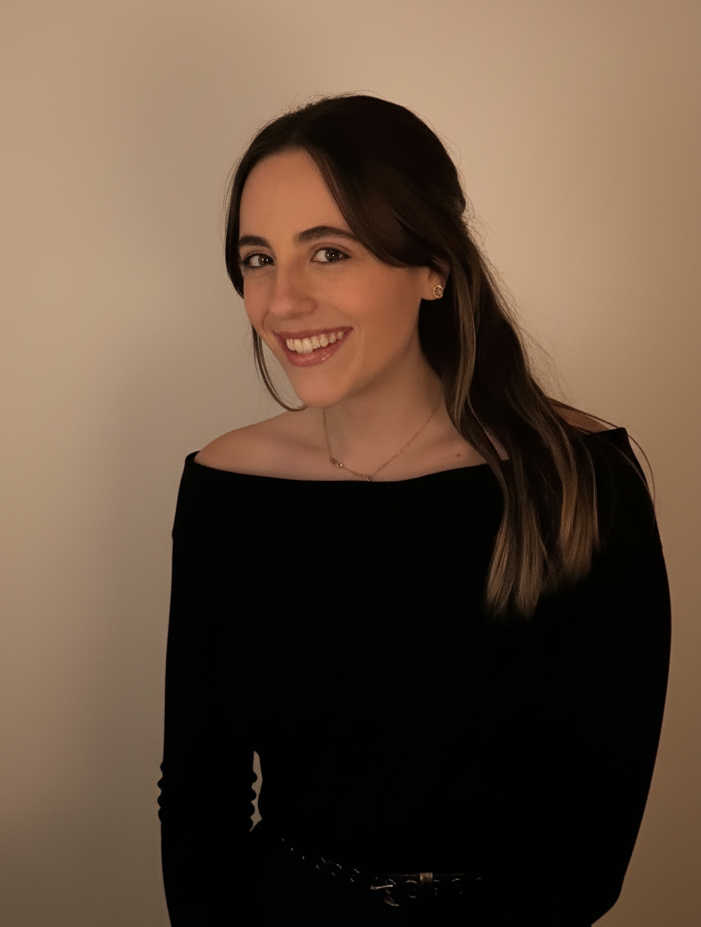
Sabrina Bakalis is an MA Art and Business student at the Courtauld Institute. At the end of her senior year of college at Wake Forest University, North Carolina, where she studied both business and art, Sabrina felt a strong need to learn more about art, its history, and its role within the market. Her undergraduate experience had confirmed her ambition to work with art as an asset, but did not provide the deeper historical and cultural frameworks that shape the market.
Following graduation, Sabrina took a position in finance. While this strengthened her technical and analytical abilities, it also clarified what her education was missing: the historical and contextual knowledge necessary to engage with art in a truly informed way. When she discovered the Courtauld Institute’s MA Art and Business programme during her commute to work, she felt that it offered her rigorous art historical training, emphasis on historical context, and direct engagement with the art market. Sabrina now feels she is integrating her analytical background with a deeper understanding of art history. She feels fortunate to build on her existing training in a way that more clearly connects her interests both practically and academically, including through access to industry professionals and unparalleled collections.
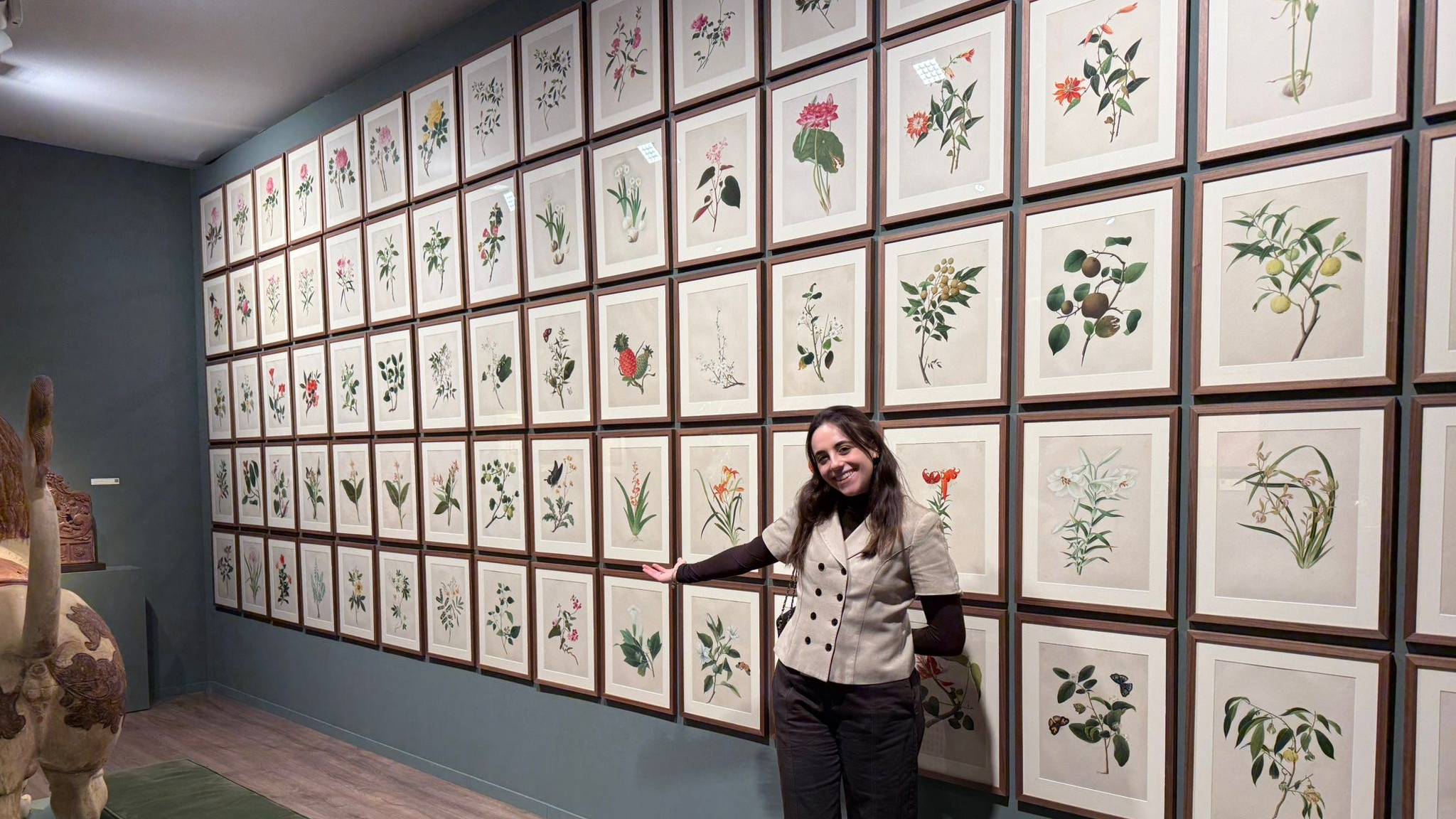
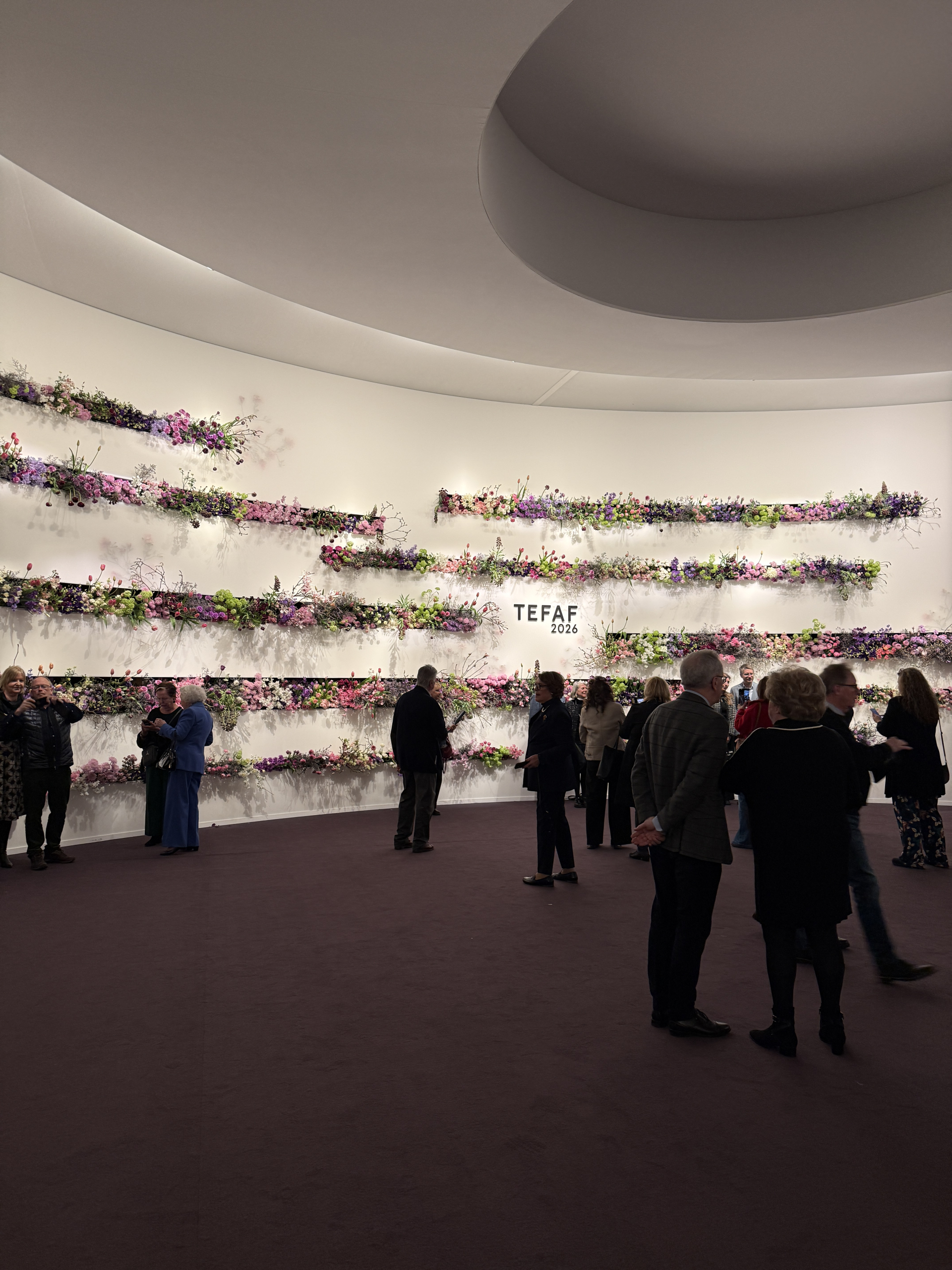
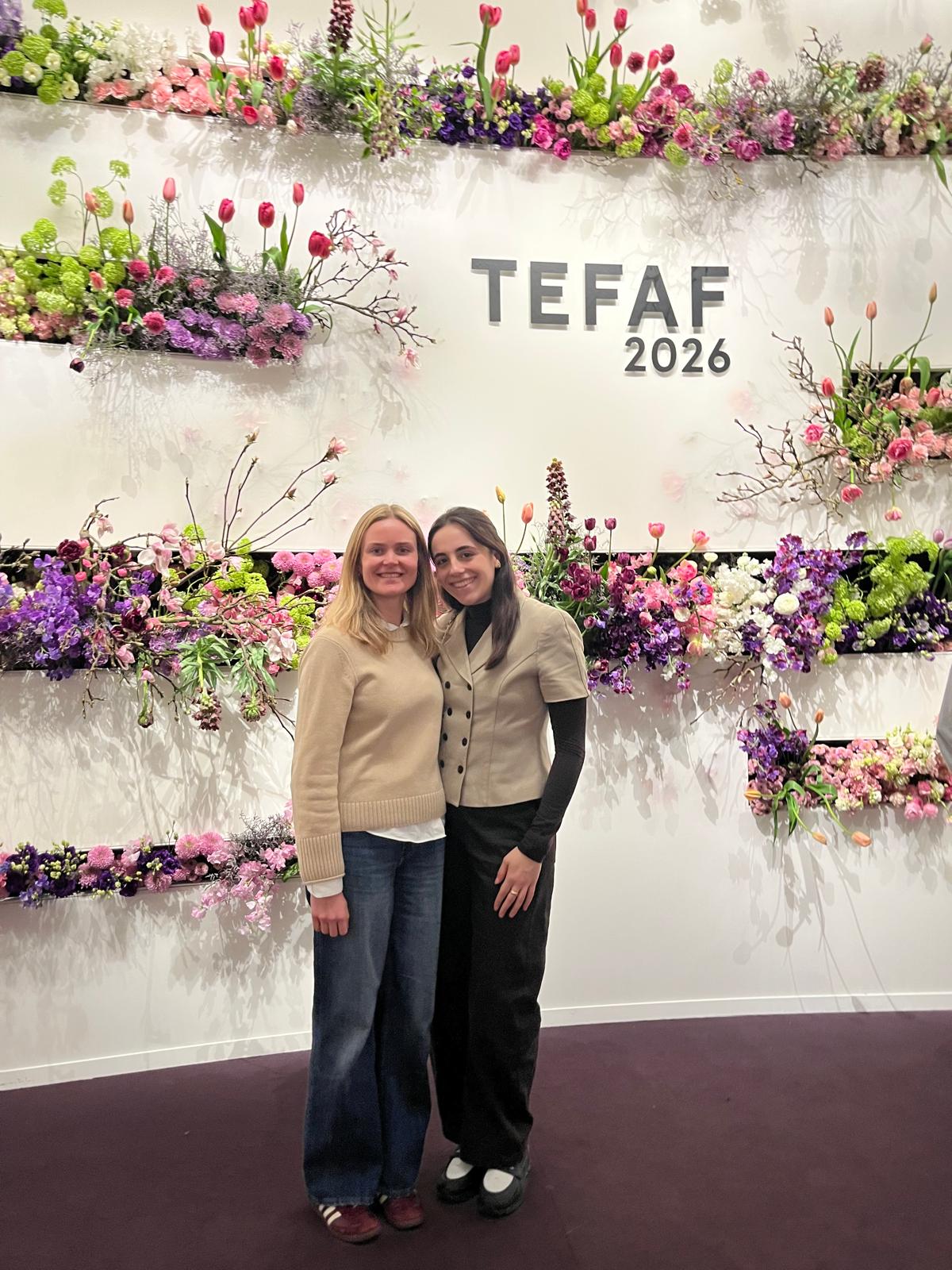
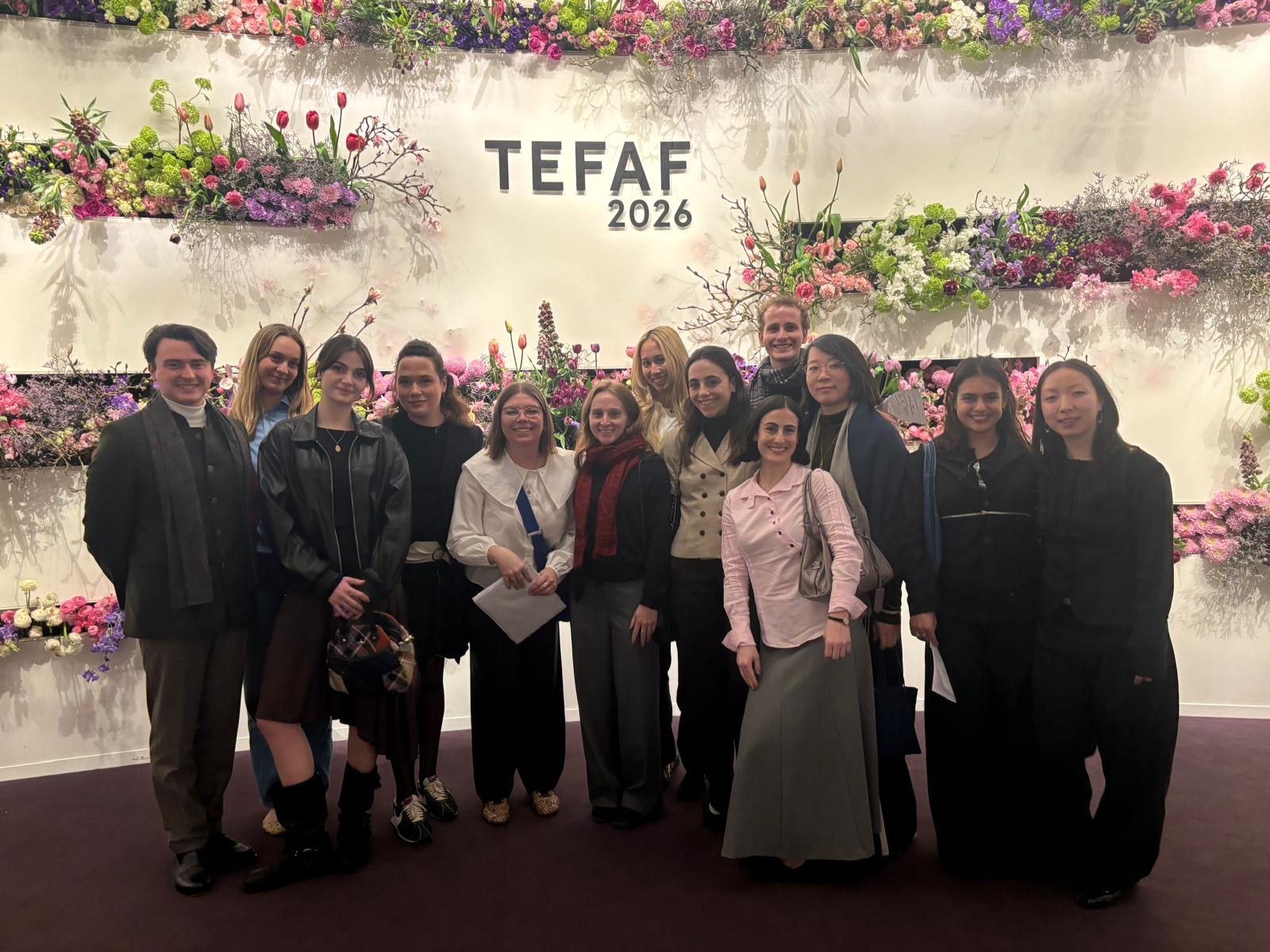
Attending TEFAF (The European Fine Art Foundation) Maastricht 2026 in the Netherlands for the first time, I was struck by how the fair – which showcases fine art, antiques, and design currently available on the market – balances museum-like curation with commercial intent. Everything is vetted for authenticity and quality, dealers are eager to educate, and the atmosphere encourages sustained looking across 7,000 years of art history. But a talk by Drew Watson, Head of Art Services at Bank of America, made clear that something fundamental has shifted in how collectors engage with their acquisitions.
Watson opened his talk by describing how his work helps clients manage their art-related wealth. As a member of TEFAF’s Global Advisory Board, his team brings 20 to 25 top collectors to Maastricht each year. It’s an ecosystem that barely existed two decades ago, one where the commercial and curatorial worlds, once firmly separated, have become increasingly intertwined.
What struck me quite quickly was the scale of the art finance sector: a $2.2 trillion market in privately held art and collectibles, with art lending alone reaching between $34 and $40 billion. Financial language now frames collecting practices seamlessly, and in ways that would have seemed inconceivable a generation ago.
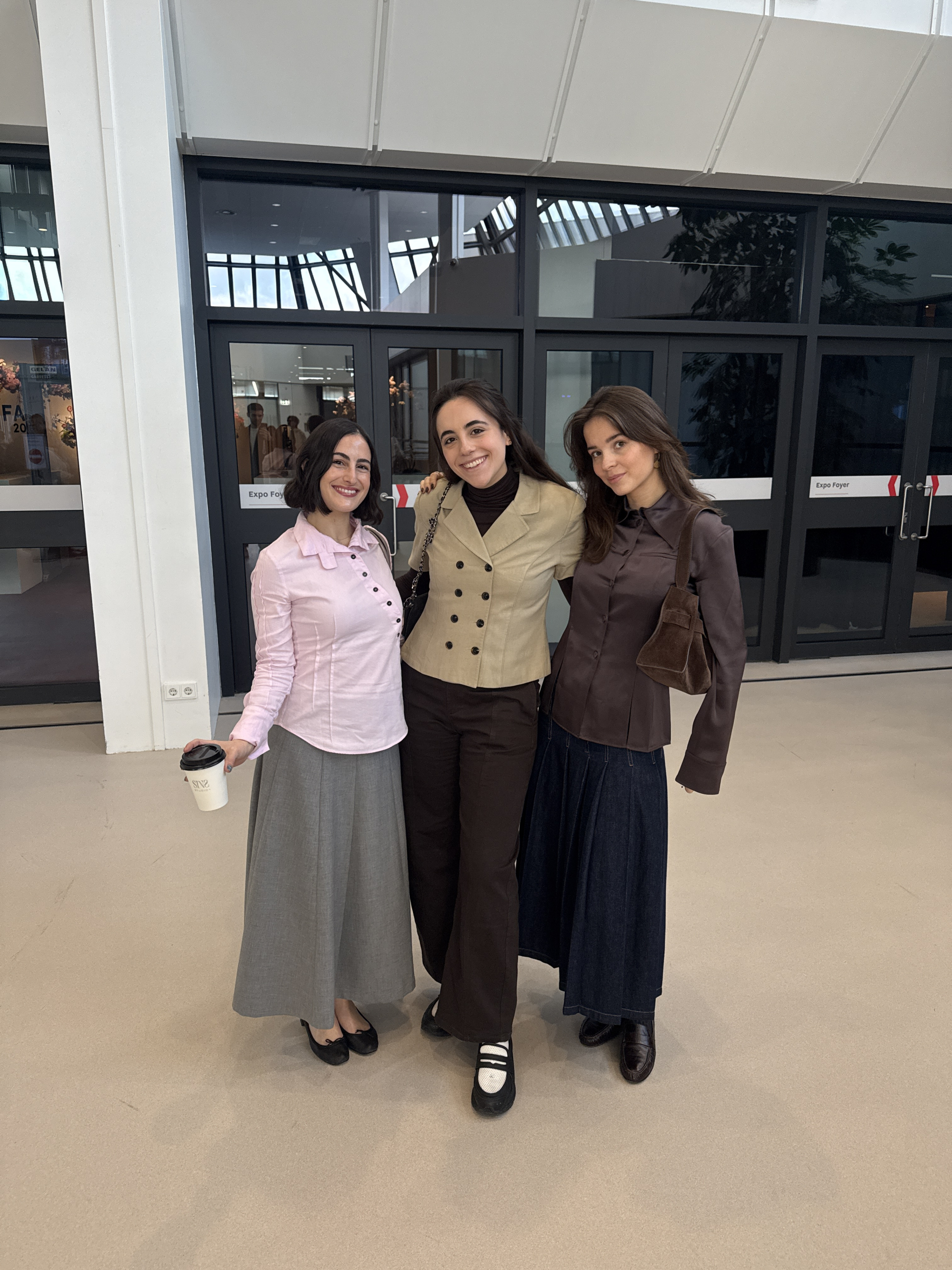
Watson emphasized that collectors still buy primarily out of aesthetic value and passion, but that rationale appears less dominant among younger buyers. 98% of Millennial and Gen Z collectors now view art as part of their wealth planning, compared with 56% of collectors overall. Art is being folded into tax strategy, charitable giving, and estate planning, suggesting that for the next generation, collecting is increasingly shaped not just by taste, but by financial logic. With an estimated $1 trillion in art and collectible wealth expected to pass to the next generation by 2034, these shifting motivations are likely to have significant consequences for how collections are built, managed, and inherited.
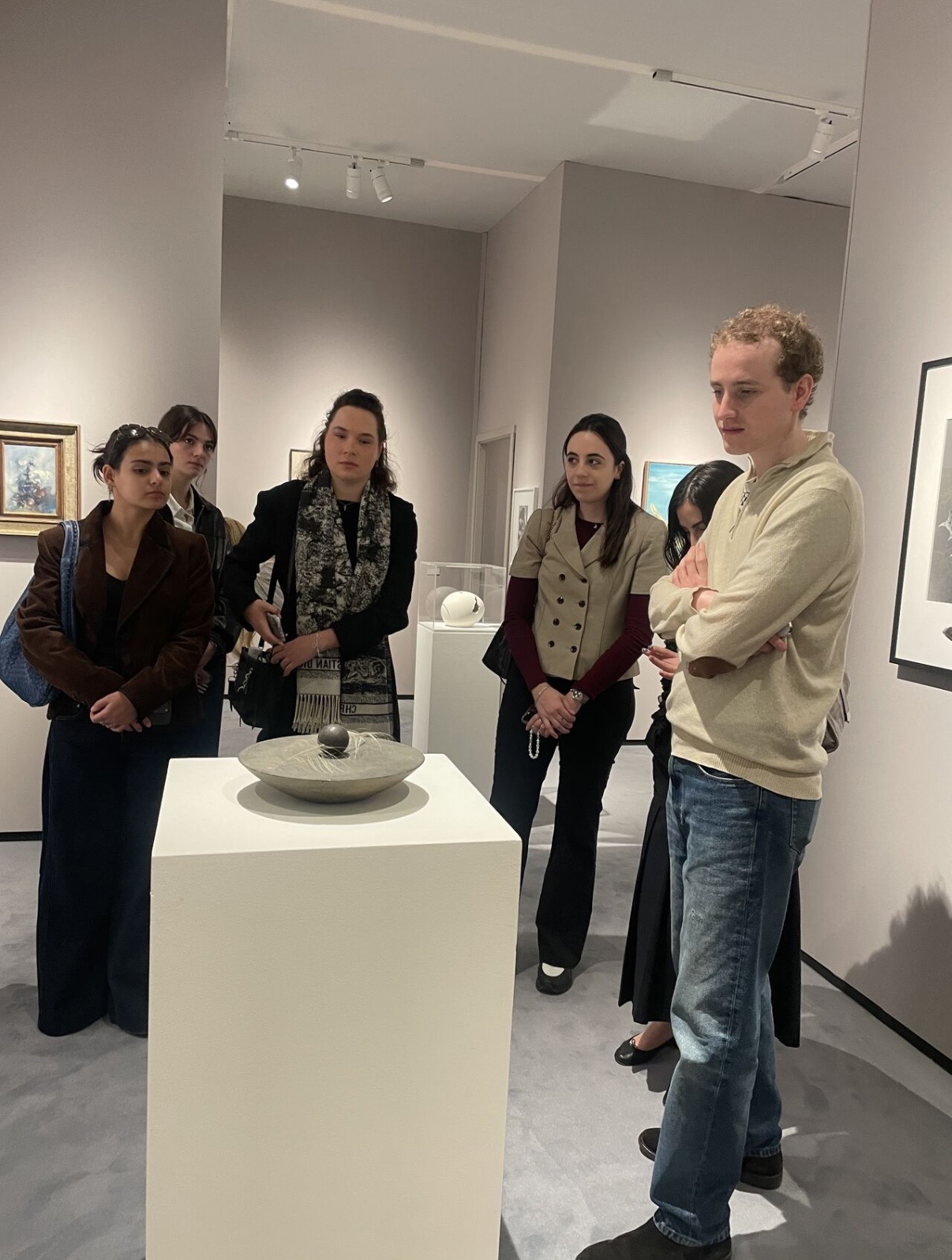
Art lending has become a major part of this shift. Watson outlined how banks offer renewable credit lines against art collections, with loan-to-value ratios around 50%. The appeal is straightforward: unlock capital without selling. For clients with significant holdings, the main draw is avoiding capital gains tax, which can reach over 40% with federal and state levies combined. Art doesn’t reprice daily like equities, which means it mitigates margin call risk.
But the model depends on a kind of stability that isn’t necessarily guaranteed. Art remains illiquid, expensive to transact, and difficult to price consistently. It’s lightly regulated and vulnerable to issues of title, authenticity, and condition, even at vetted fairs like TEFAF. Watson acknowledged these risks while positioning art lending as an underleveraged opportunity within wealthy portfolios.
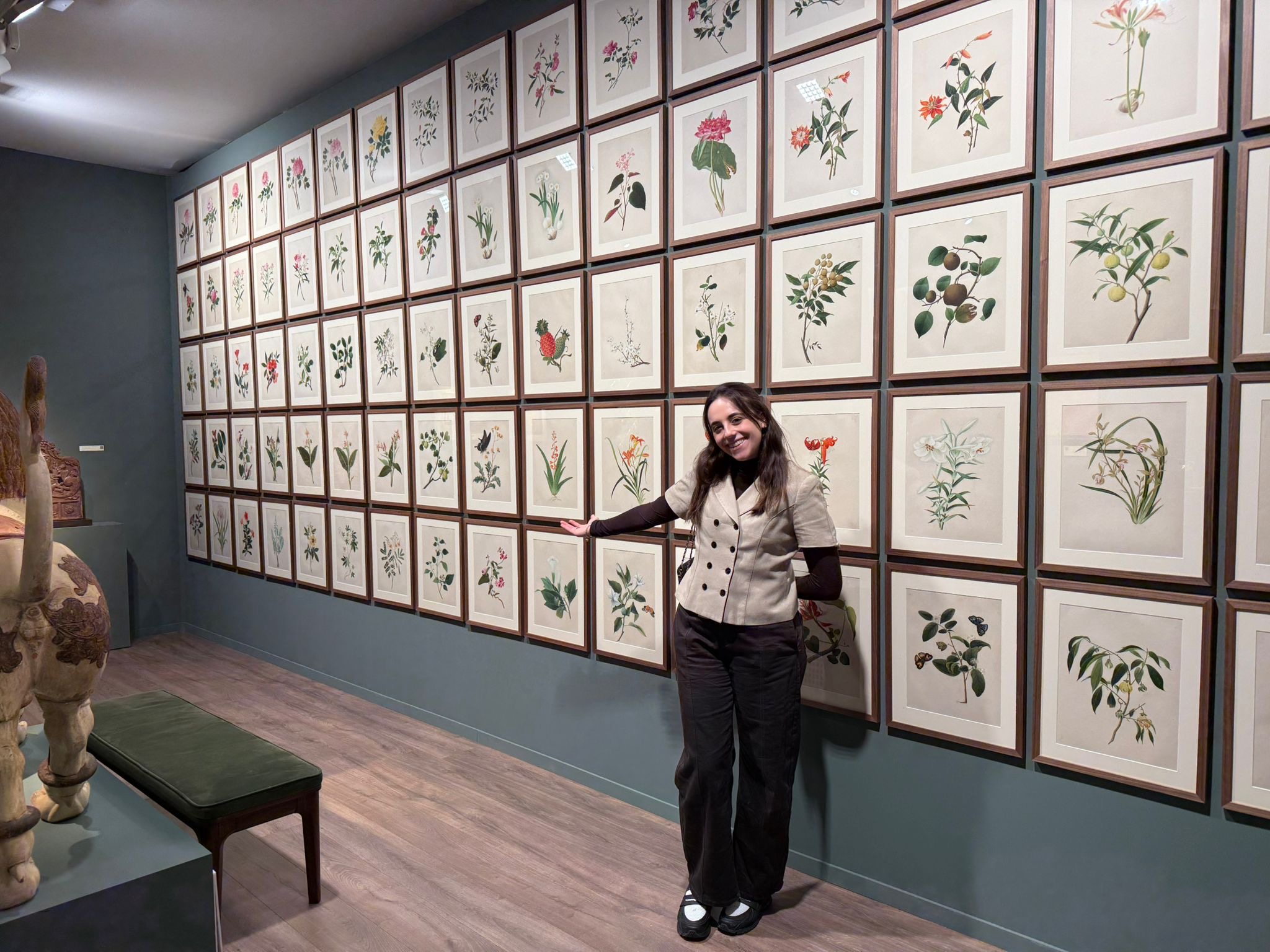
The infrastructure being built around this is extensive. Watson’s team provides a comprehensive suite of services: art lending, buy-side and sell-side advisory, collection management, art planning, philanthropic solutions, market insights, and curated access to major art world events. Banks are hiring specialists with gallery and auction house backgrounds and competing not on price but on service differentiation.
Learning about the sell-side advisory was particularly revealing. Watson detailed how his team navigates auction house negotiations, securing enhanced hammer agreements (100% of hammer price, no seller fees), guarantees, and private sales while managing strategy, marketing, and fiduciary guidance. Watson noted that major collectors at TEFAF often buy works outside their typical focus, drawn to unexpected discoveries because dealers take time to educate and the vetting process creates trust. It’s this dynamic that gives the fair its museum-like quality.
What became clear is that the art market landscape is evolving faster than many anticipated. Watson’s presentation of the competitive banking landscape showed institutions at vastly different stages of building art capabilities. Some focus on sponsorship and branding, others on client accommodation, while a few have developed comprehensive strategic frameworks. The infrastructure around art as wealth is professionalizing rapidly, and those entering the field now need to understand not just connoisseurship or market dynamics, but how these intersect with financial planning, estate law, tax strategy, and wealth transfer.
This shift brings both opportunities and challenges. The roles Watson described didn’t exist a generation ago. His team hires specialists who can produce market intelligence, manage complex client relationships, and navigate banking regulations. Careers in this space are rarely linear, and the real question is not whether to engage with these developments, but where to position oneself within a landscape that is being redrawn.
Leaving TEFAF Maastricht, I found myself thinking about how quickly these worlds have become intertwined. The fair still celebrates discovery, education, and the chance encounters Watson described. But it also operates within a financial ecosystem that is rapidly professionalizing. For those of us working at the intersection of art and business, it is becoming increasingly difficult to ignore how embedded these structures already are. Whether that enhances or obscures the value of art itself remains an open question.