Tickets are now on sale for Paula Rego: Dog Woman, opening at the Courtauld Gallery on 5 February 2027.
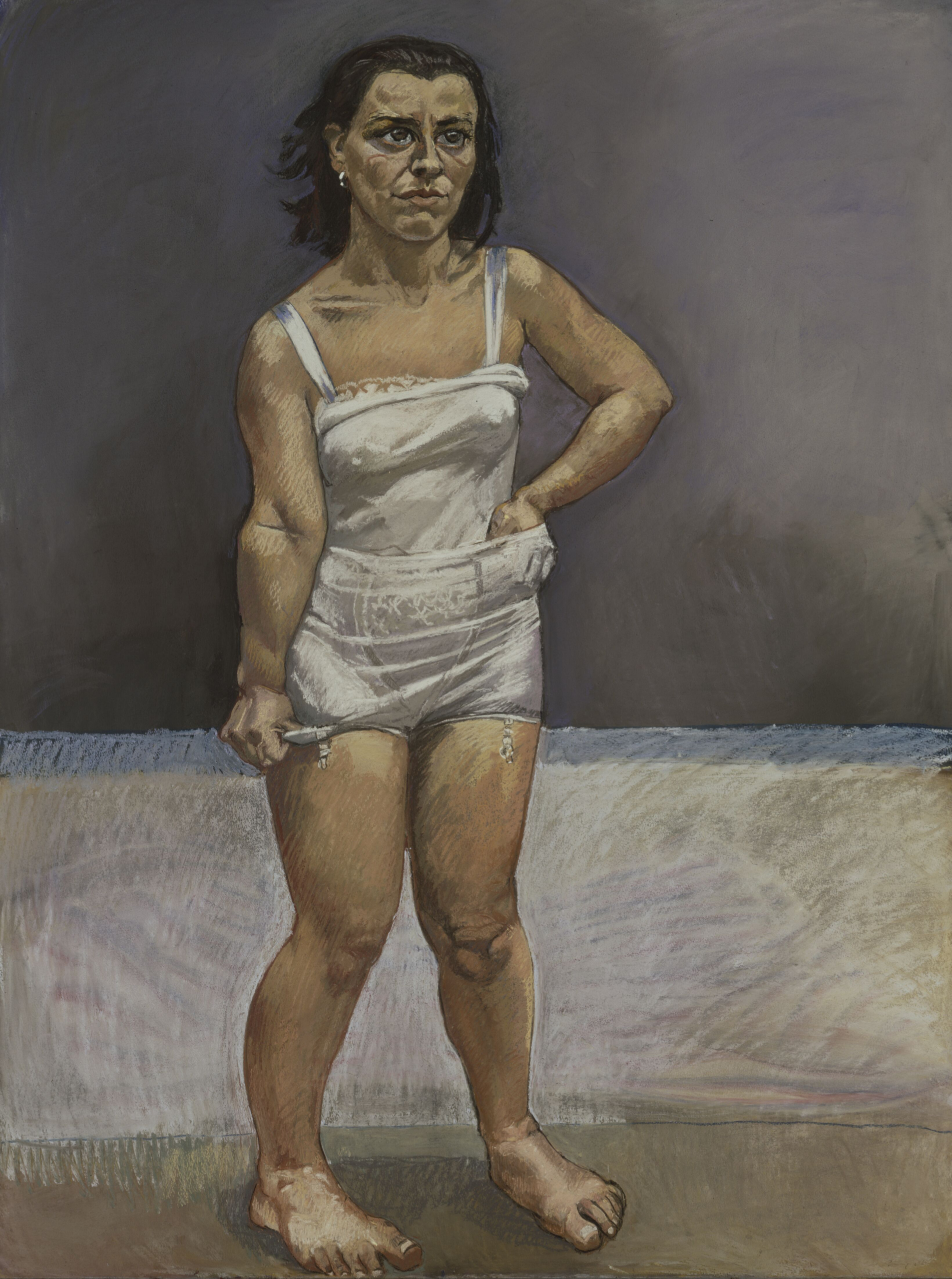
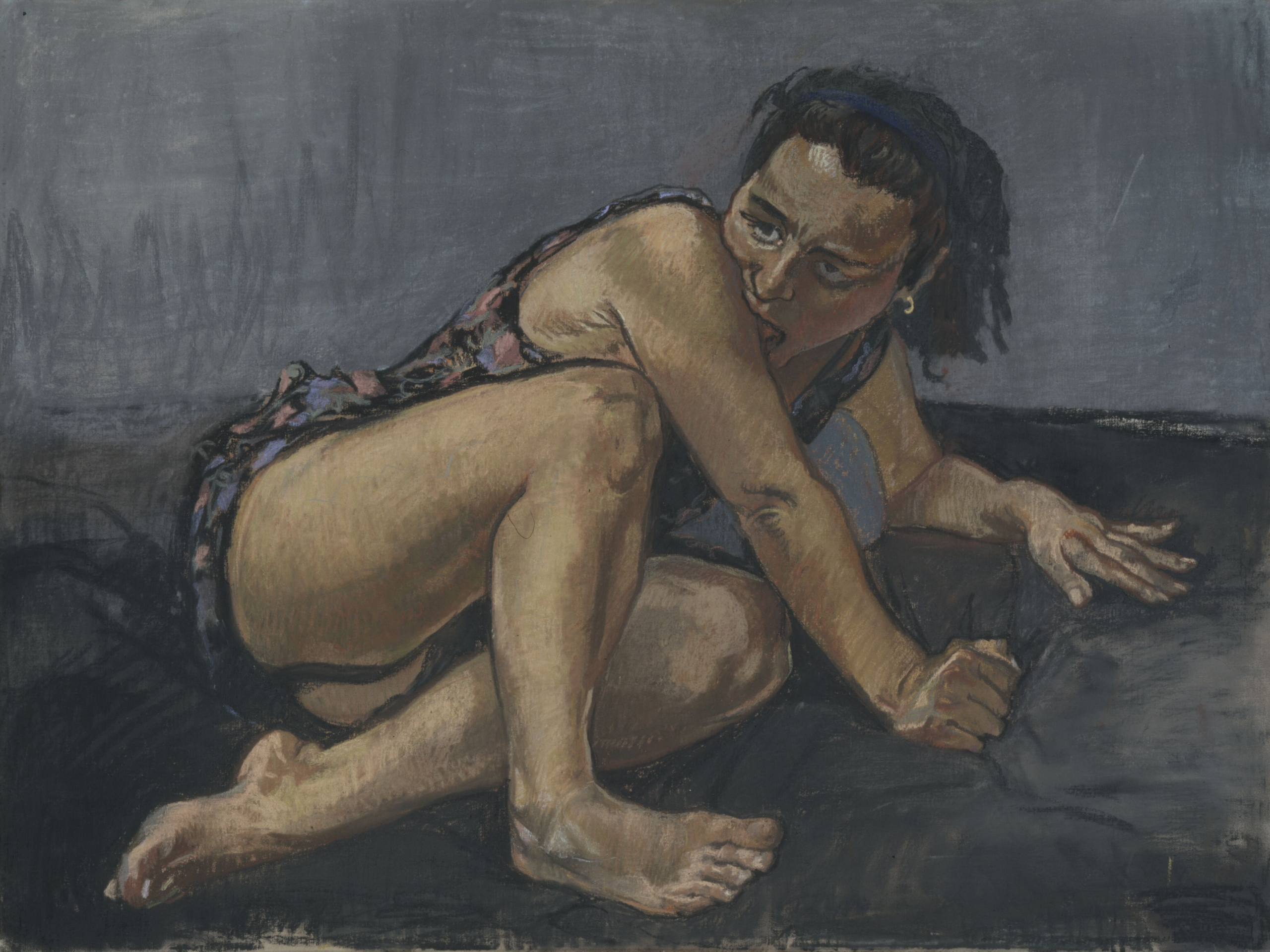
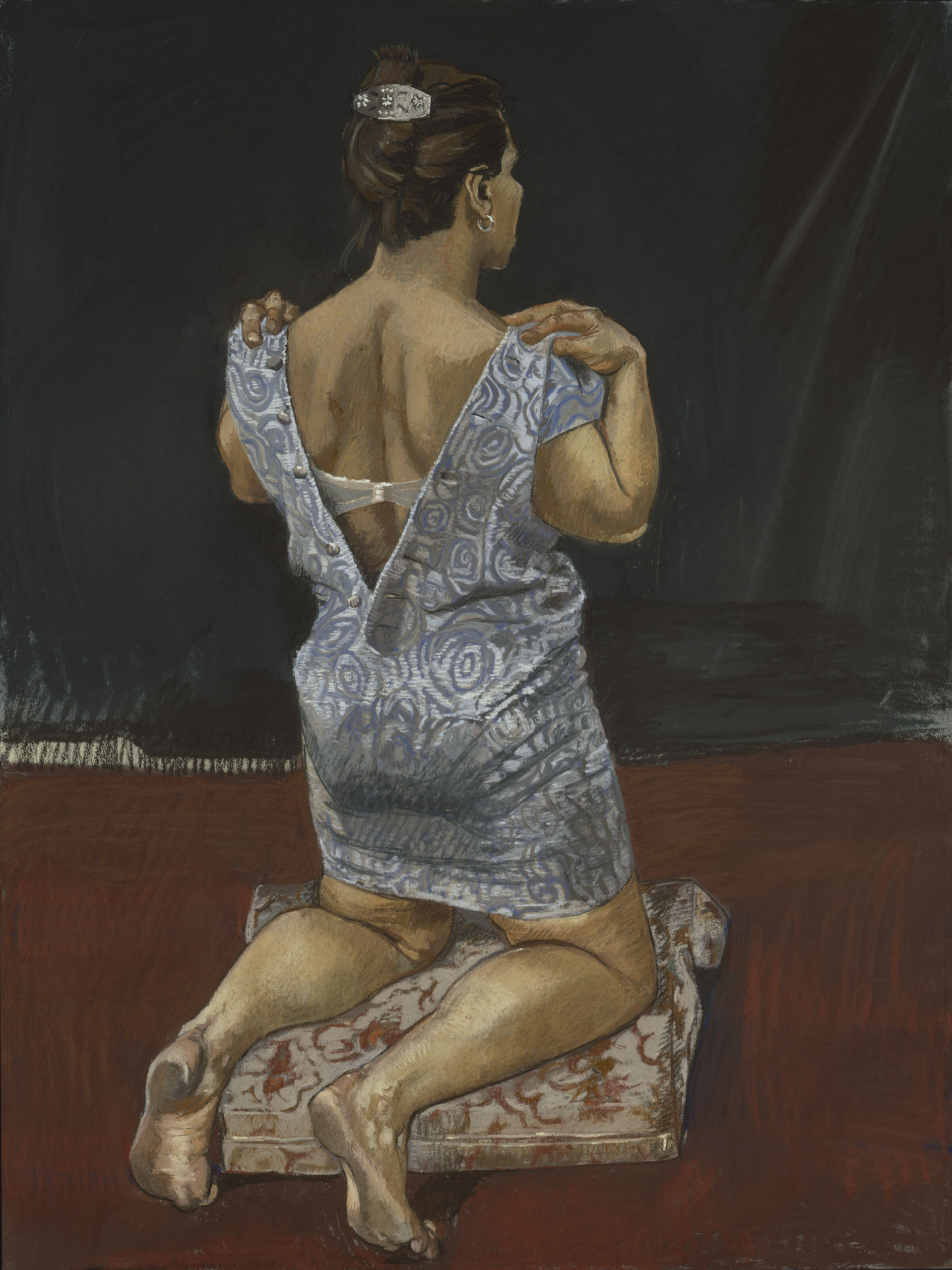
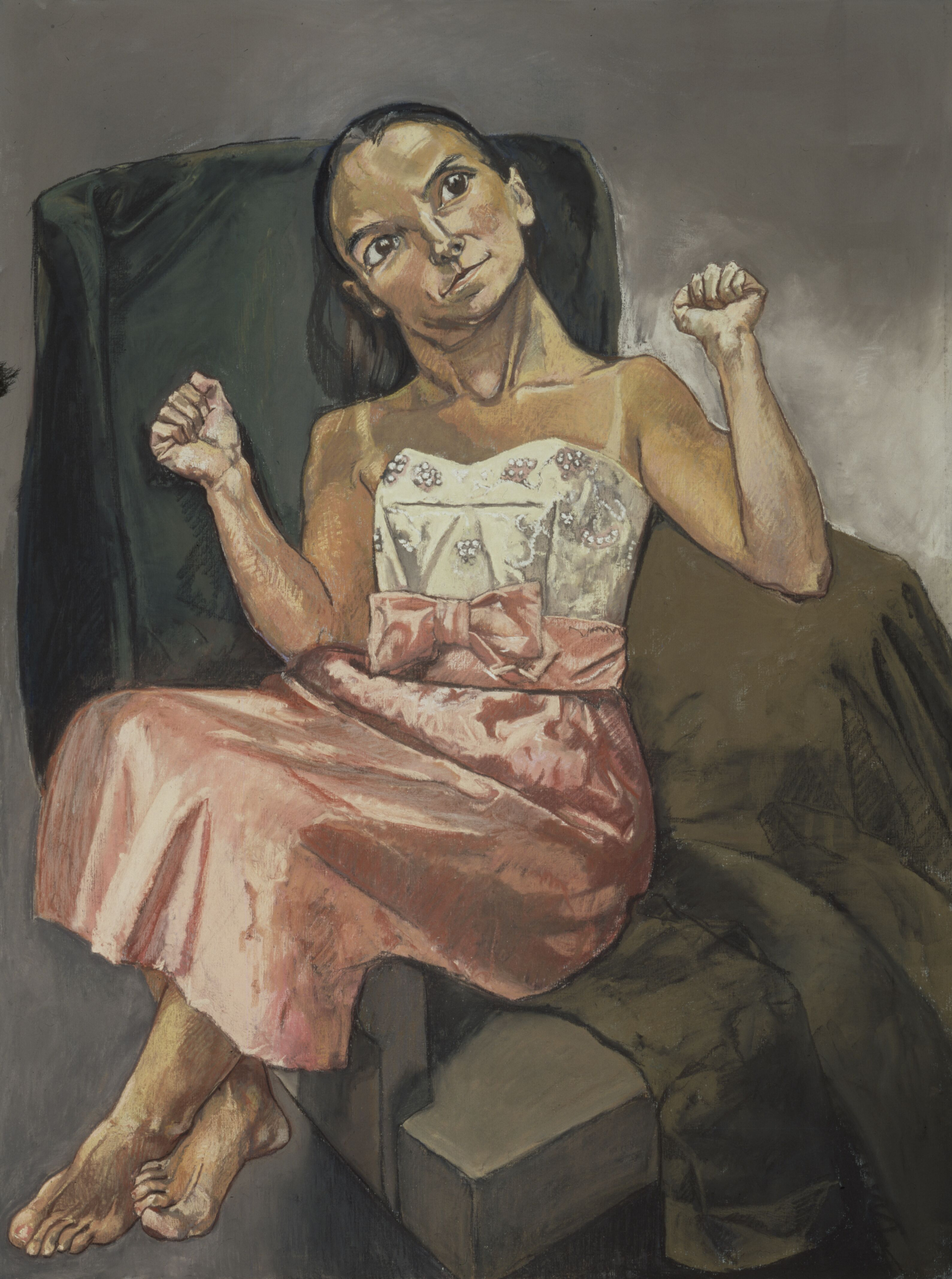
The Courtauld will present the first retrospective exhibition dedicated to Paula Rego’s (1935 – 2022) groundbreaking Dog Woman series, bringing together fifteen of her earliest pastels for the first time since they were created over 30 years ago. The exhibition will reassess the significance of this body of work, which revolutionised the way in which women were represented and cemented Rego’s reputation as one of the most radical artists of our time.
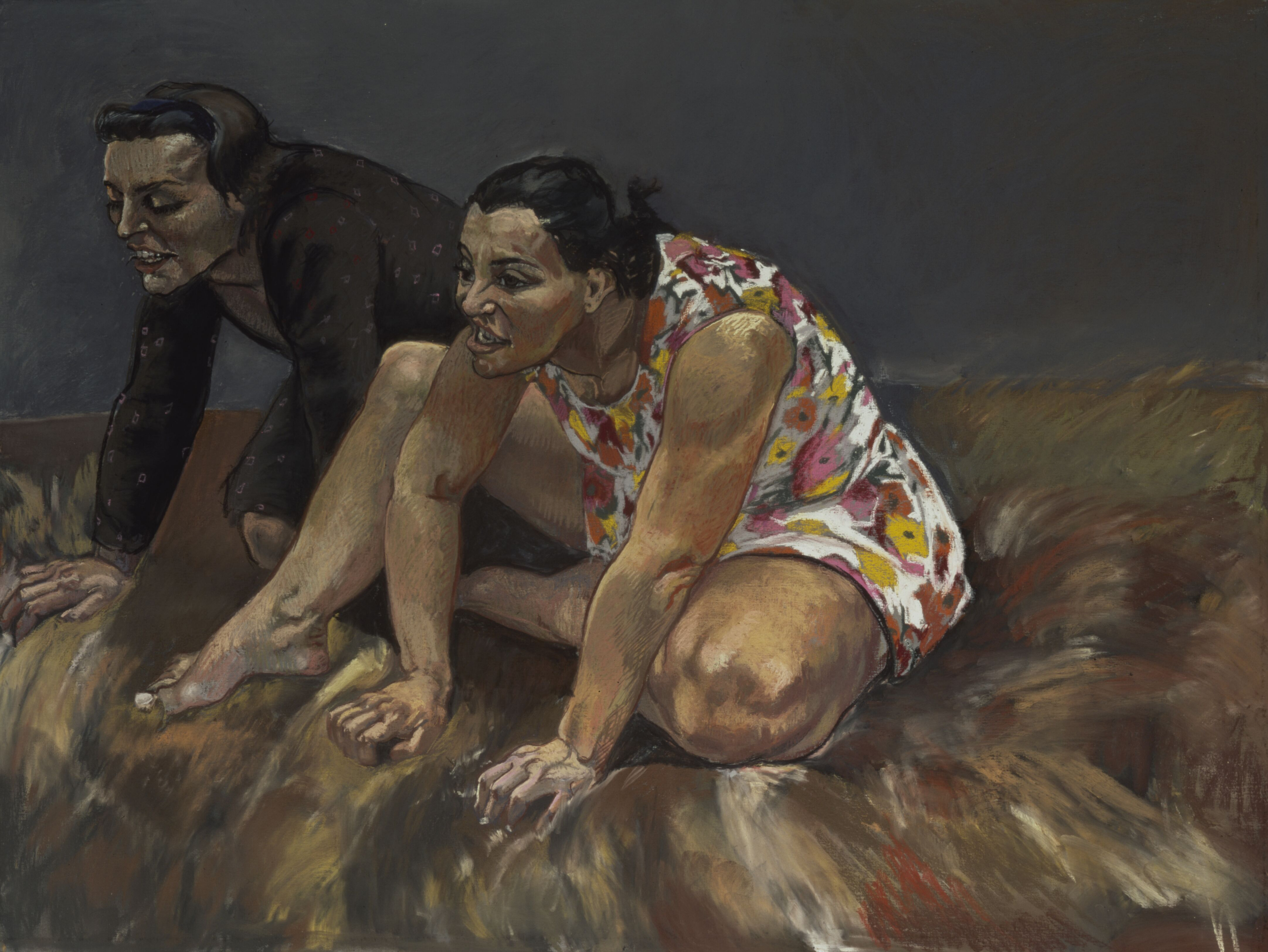
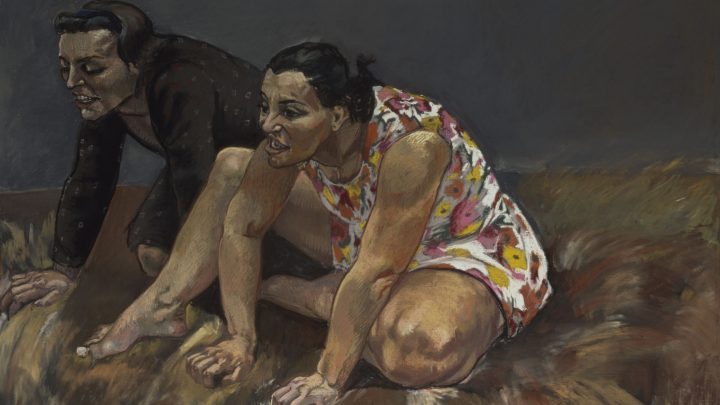
Among the artist’s most striking, sensual, and unsettling works, the Dog Woman series was created between 1994–95 and was the first Rego made using pastel, the medium she became renowned for. The exhibition will feature fifteen such large-scale pastels depicting women with animal feelings and qualities, their isolated presence enhanced by the tight compositions and fields of colour suggestive of barren landscapes and interior settings. Also included is a remarkably prescient drawing from 1953, later titled Dog Woman, in which the 18-year-old artist first drew a woman crouching and snarling, along with a selection of preparatory drawings
More than any other body of work, the Dog Woman series became synonymous with Rego’s unique, uncompromising portrayal of the physicality and power of female figures. She said the strength of these works came from channelling her own raw, undiluted feelings, squatting and posing in front of a mirror, ‘turning myself into an animal’.
‘In these pictures every woman’s a dog woman, not downtrodden but powerful. To be bestial is good.’Paula Rego
Equally, Rego recognised the psychological depth and restlessness of these figures. She described the works as love stories, portraying the complex and contradictory emotions of desire, longing, rage, and submission, explaining that all of the dog women are ‘about survival of the great humiliations of life. Which the animal parts help to conquer’. Rego’s exploration of the animal within the human charted new territories and catapulted her into the most prolific and critically acclaimed period of her life.
In the late 1980s, after a hiatus of 30 years, Rego returned to life drawing. In 1994, after moving to a new, larger studio in Camden Town, London, where she could explore larger, more ambitious projects, Rego began working with pastel for the first time, a medium she went on to privilege for the rest of her career. Combining the attributes of painting and drawing, pastel was well suited to an artist known for her extraordinary command of line who considered herself a ‘drawer’ rather than a painter. Rego said: ‘With pastel you don’t have the brush between you and the surface. Your hand is making the picture. It’s almost like being a sculptor. You are actually making the person. It’s very tactile.’
Rego first presented fourteen Dog Woman pastels in the exhibition Paula Rego: Dog Woman 1994 at the Marlborough Gallery, London, extending and completing the series the following year. Rego always felt that works in her series gained from being seen together, with the breath and richness of their stories unfolding one picture at a time. This exhibition will be a unique opportunity to survey an unprecedented number of Dog Woman pastels primarily held in private collections in the UK, Europe and the United States, alongside loans from Tate, London, and Fundação de Serralves – Museu de Arte Contemporânea, Porto. Three of the pastels in the show, Watcher, 1953 and Kennel (all 1994), have not been exhibited in the UK since 1994.
The Dog Woman was the first series for which Lila Nunes posed, going on to become Rego’s most frequent model and close collaborator. Paula Rego: Dog Woman will include the remarkable Grooming (1994), Scavengers (1994), Bad Dog (1994) and Sit (1995), among other pictures featuring Nunes. The exhibition will also include the four pastels for which two other models posed: the actresses Victoria Willing, Rego’s daughter, in Moth (1994), Bride (1994) and Love (1995), and Flaminia Cinque, in Lush (1994).
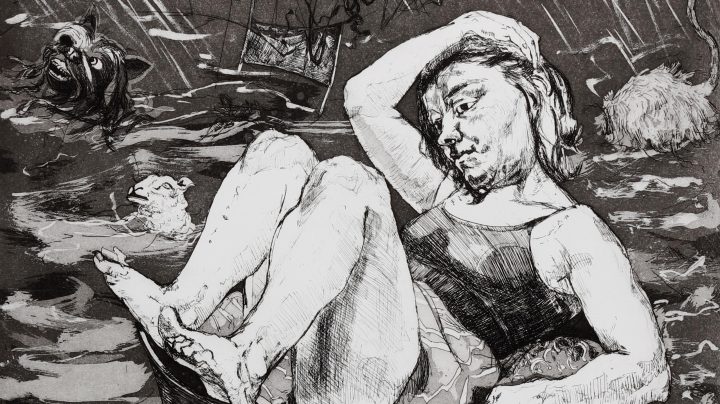
Alongside the exhibition, Paula Rego: Pendle Witches will be on display in the Courtauld Gallery’s Project Space, focusing on a suite of etchings and aquatint prints Rego made in 1996 inspired by poems of Blake Morrison (b. 1950). At the time of the making of the Pendle Witches, Rego and Morrison were close friends, as Morrison has said, ‘because we were exploring similar issues in our work – grief, violence, misogyny, sexuality, the knowingness or otherwise of children’. Yet, far from being illustrations of Morrison’s poems, Rego drew inspiration from them to create her own stories. The title relates to the notorious trial of the Pendle Witches in 1612 in Lancashire, which led to the execution of eight women and two men accused of witchcraft. Women are the protagonists of the Pendle Witches series. From sexual awakening and sisterly companionship to the experience of violence and natural disaster, they imaginatively render a range of vicissitudes and hint at inner as much as outer turmoil.
Paula Rego: Dog Woman will be accompanied by a new illustrated catalogue that will reassess this unique group of works and the pivotal role it occupies in Rego’s practice.
The exhibition is supported by The Paula Rego Exhibition Circle.
Highlights