This event brings together two speakers in dialogue with papers as follows:
Prof. Laura Saetveit Miles: Birgitta of Sweden and her Larger-than-Life Legacy in English Woodcuts
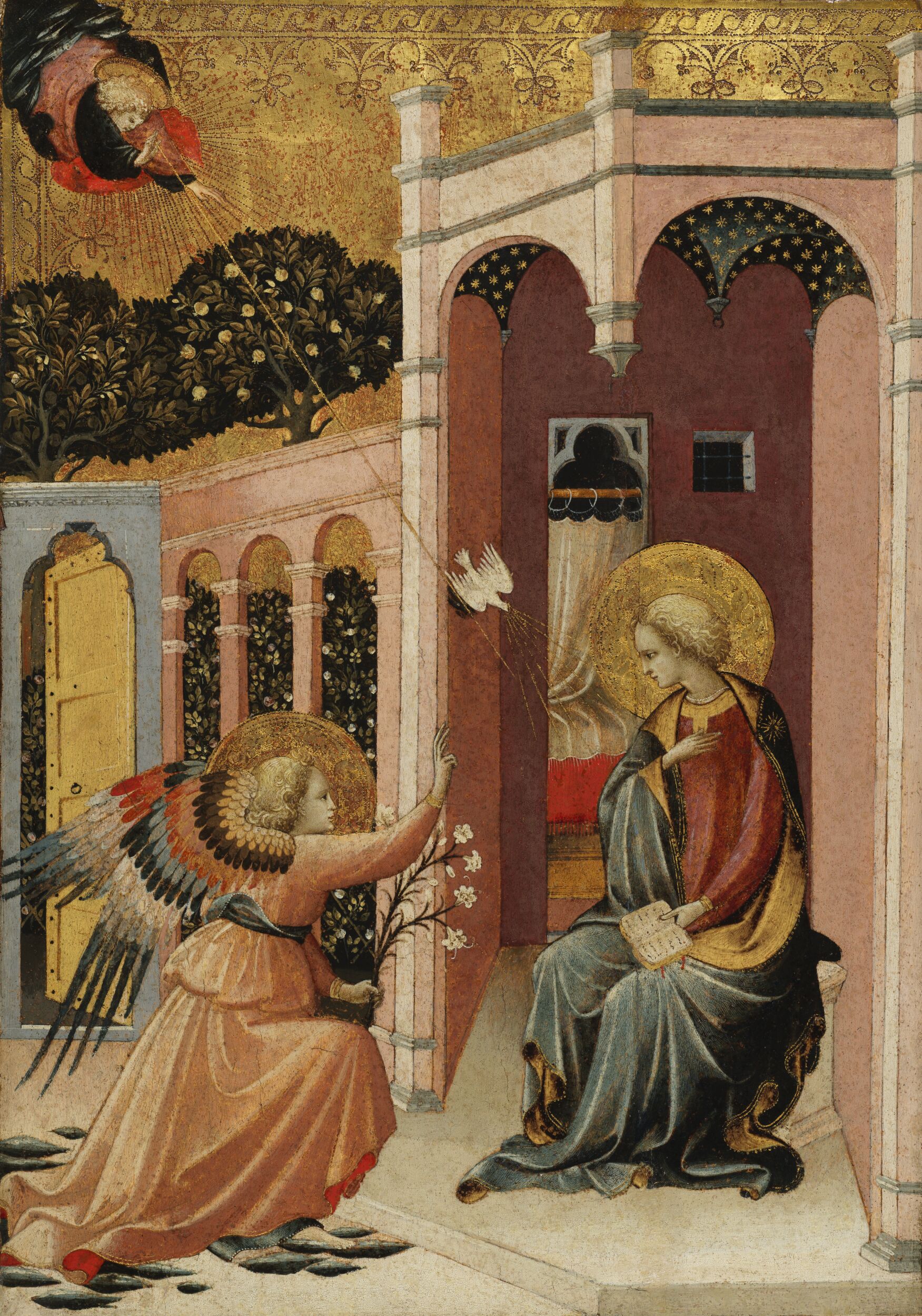
Birgitta of Sweden (1303-1373) was famous throughout medieval Europe for the over 700 visions in her enormous book of Revelations as well as her political activism and her new monastic order. England’s only Birgittine house, Syon Abbey, became an active center for women’s literary culture and a driving force in London’s nascent print world. The royal monastic foundation also became the epicenter for rare imagery in pre-Reformation England: a medieval woman with a book, in this case specifically Birgitta writing her Revelations. This presentation will explore the intriguing series of woodcuts featuring Birgitta and surviving in works either related to her or Syon, and printed between 1516-1537 by London printers Richard Pynson, Wynken de Worde, Robert Redman, Richard Fawkes, and John Wayland. What is their relation to the dominant medieval imagery of a literary woman—the Virgin Mary at the Annunciation? What is their relation to other contemporary hagiographic portraits? How does hieratic scale work in these woodcuts to emphasize the saint’s literary authority? Through these woodcuts, and comparison to nearly unknown Books of Hours illuminations of Birgitta, this talk will explore Birgitta’s towering reputation in medieval England as the most widely known female author.
Dr Maryanne Saunders Klein: ‘Arbor Annae’: St Anne Taking Up Space in the Medieval Church
St Anne, the mother of the Virgin Mary, is a now lesser-known figure in apocryphal literature, whose cult peaked in northern Europe in the late sixteenth century. A so-called ‘constructed saint’, Anne’s visual identity was very much open to interpretation by the communities, patrons and artisans involved in commissioning her likeness. Two persistent and striking features of sculptural, painted and illuminated depictions of Anne are her book and her size. Anne’s book is most closely associated with her learned virtues and extra-biblical tales of her teaching the Virgin to read. Her scale, particularly in relation to her daughter and grandson, who are often depicted alongside her, is notably and habitually exaggerated in medieval art.
This presentation will explore the entangled meanings of these symbolic features. I will argue that Anne’s size and her book are both visual indicators of her spiritual self-sufficiency, the distinctive power of her lineage, and her authority. By examining material examples of Anne’s association with trees, her hierarchical proportions, and her association with scholastic self-improvement, this presentation will raise questions about women’s perceived spiritual and intellectual authority in the original contexts of these objects, as well as how they might be received today.
Organised by Dr Caroline Levitt (The Courtauld) and Dr Chloe Reddaway (Kings College London)
Speakers:
Prof. Laura Saetveit Miles is professor of British literature and culture at the Department of Foreign Languages, University of Bergen. She researches medieval religious culture, especially women’s writing and visionary literature. Her 2020 monograph The Virgin Mary’s Book at the Annunciation: Reading, Interpretation, and Devotion in Medieval England (Boydell & Brewer) won the Brewer Prize from the American Society of Church History and the first book prize from the Society for Medieval Feminist Scholarship.
Dr Maryanne Saunders Klein is an art historian and public engagement practitioner. Her research explores matrilineality, feminist and queer approaches to religious imagery, and the reception of sacred art. Most recently, she was the Ahmanson Fellow in Art and Religion at the National Gallery, London, having previously held fellowships at Lincoln College, University of Oxford, and Yale Divinity School.