Evening Study Online
Dr Thomas Balfe
10 pre-recorded lectures with 5 Zoom seminars at 18:30, over 5 weeks from Wednesday 4 November to Wednesday 2 December 2026.
£395
Course Description
This course focuses on the art and visual culture that resulted from the encounter between European artists and Asia, Africa and the Americas, produced between the sixteenth and the late eighteenth centuries.
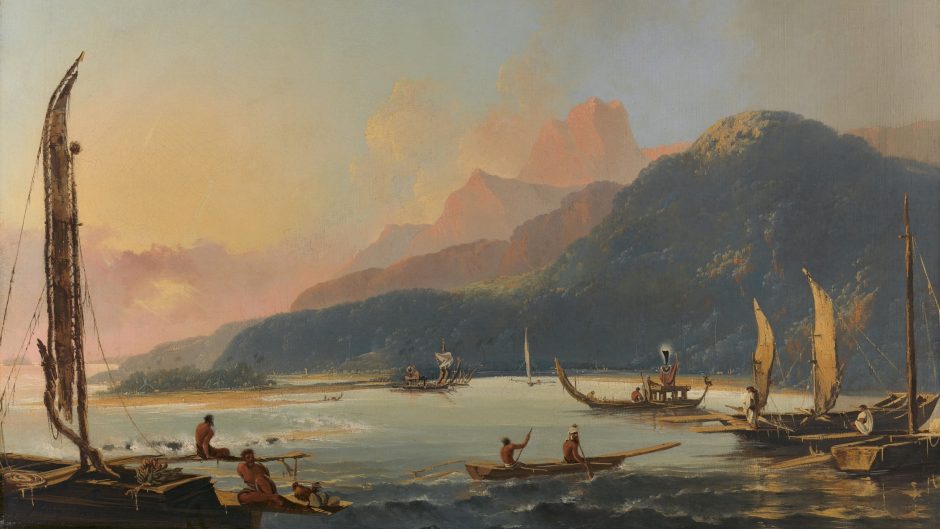
The materials in this area are astonishingly rich. They include depictions of non-European people by renowned painters such as Dürer, Titian, Anthony Van Dyck and Johann Zoffany, the drawings of flora and fauna recorded by colonial artists working abroad, and the picturesque views of India and the South Seas produced by Captain Cook’s landscapists’ William Hodges and John Webber. Early ethnographic images and so-called casta paintings reflected new ideas about racial difference and the origins of humankind, even as they continued to express a strong sense of European superiority. The ivories made by sixteenth-century African carvers for Portuguese clients, and Rembrandt’s responses to Mughal miniatures, reveal the deep interest that discerning Europeans had in the knowledge and skill of foreign artists.
Works that address slavery and related forms of exploitation represent the most challenging aspect of this story, one that we will also engage with critically in our discussions.