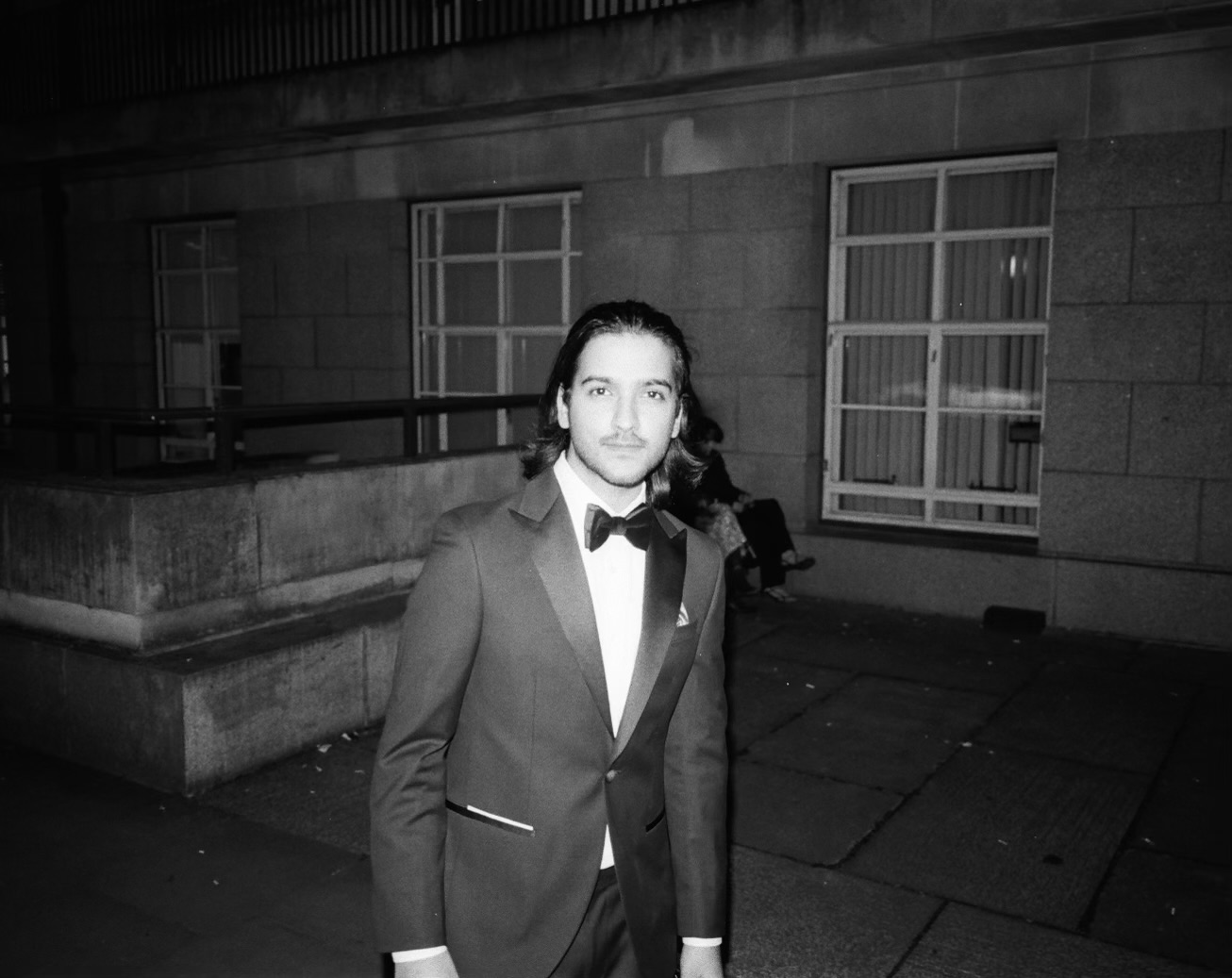
Upmanyu A. Magotra is an AHRC funded Collaborative Doctoral and Curatorial Fellow at Tate and the Courtauld, on the project ‘Imperial Intimacies: Portraiture and the East India Company, c.1757–1857’. He holds an MA History of Art, specialising in Early Modern Asian and Islamic Art, from the Courtauld Institute and a dual bachelor’s degree in law and liberal arts from Jindal Global University. A recipient of the Princess Diana Award for art-led social entrepreneurship, Upmanyu has worked with leading collections and institutions worldwide, including the Art of Heritage Collection in Saudi Arabia, Eka Archiving Resources and India Art Fair.
Instagram: @upmanyu.magotra
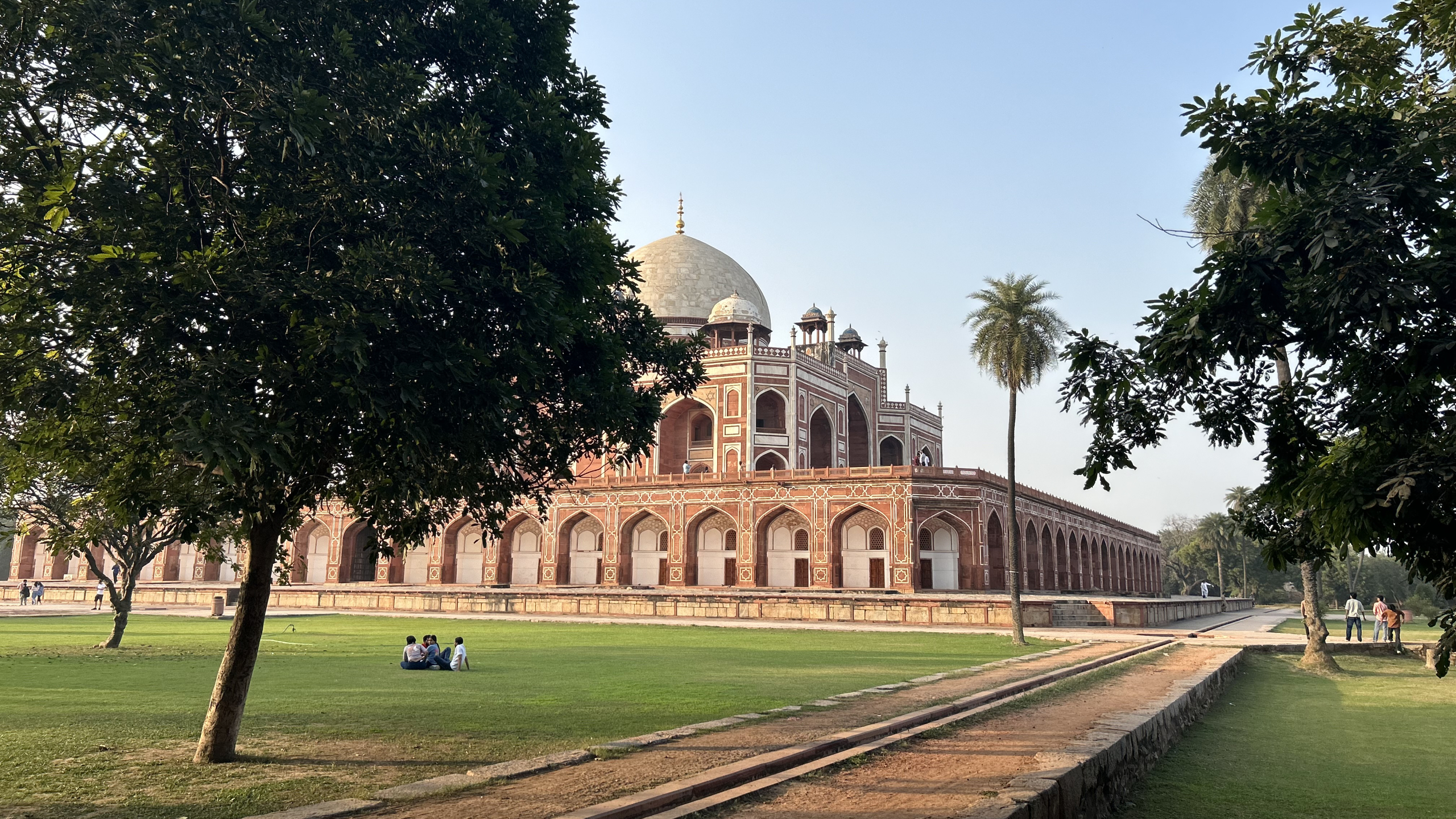
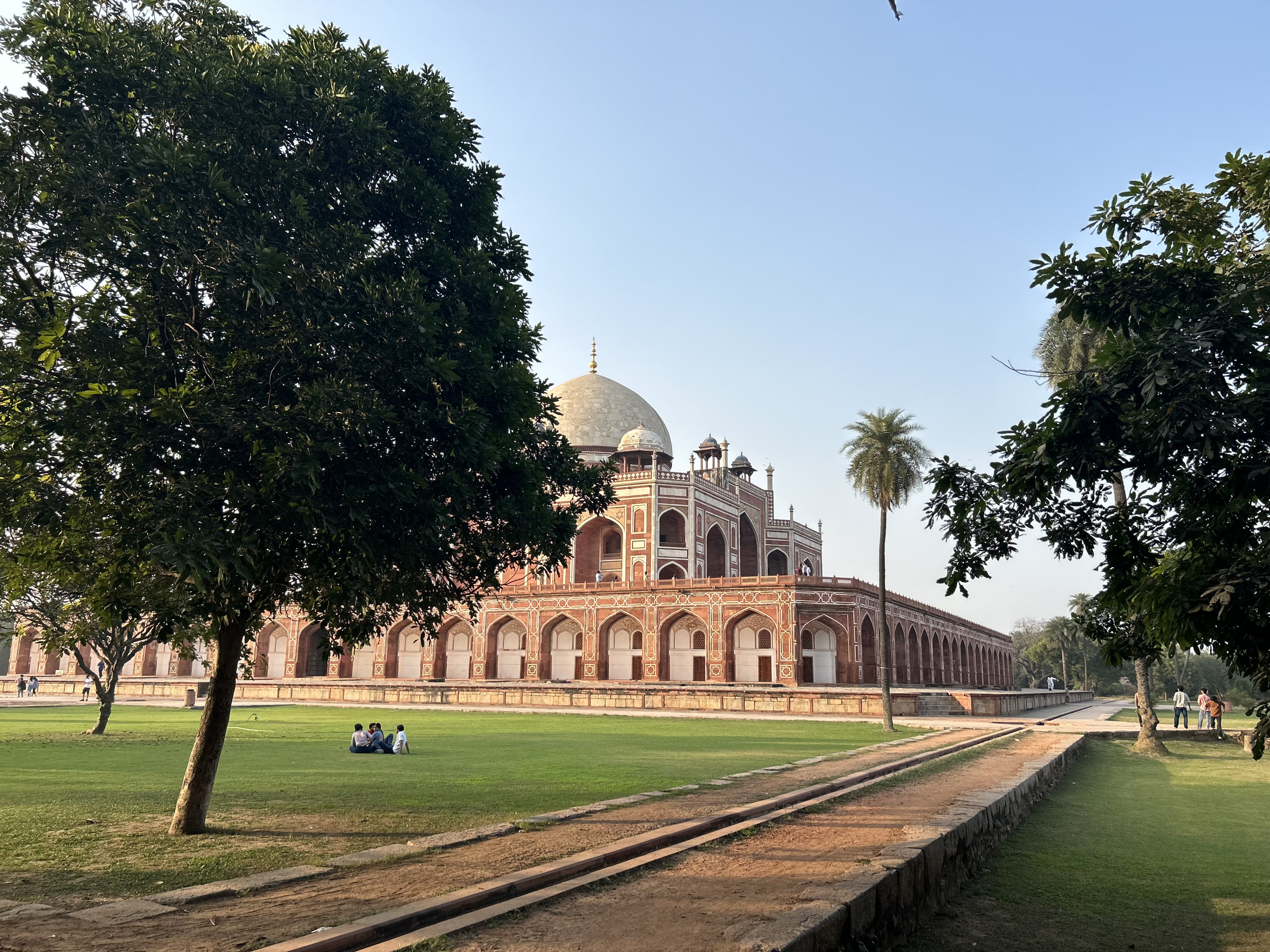
I was born in Jammu and Kashmir (J&K) in India in a town called Udhampur, 65 kms away from the closest museum in Jammu, The Hari Palace. The palace, the residence of the erstwhile royal family of J&K, sits at the mountain top overlooking the Tawi river, where it greets the distant vehicles crossing the bridge, witnessing all that has passed in front of its eyes over the last hundred years. In addition to the Hari Palace, an endless list of Mughal monuments in Kashmir and later, New Delhi also brewed in me a fascination for the history and art of empires.
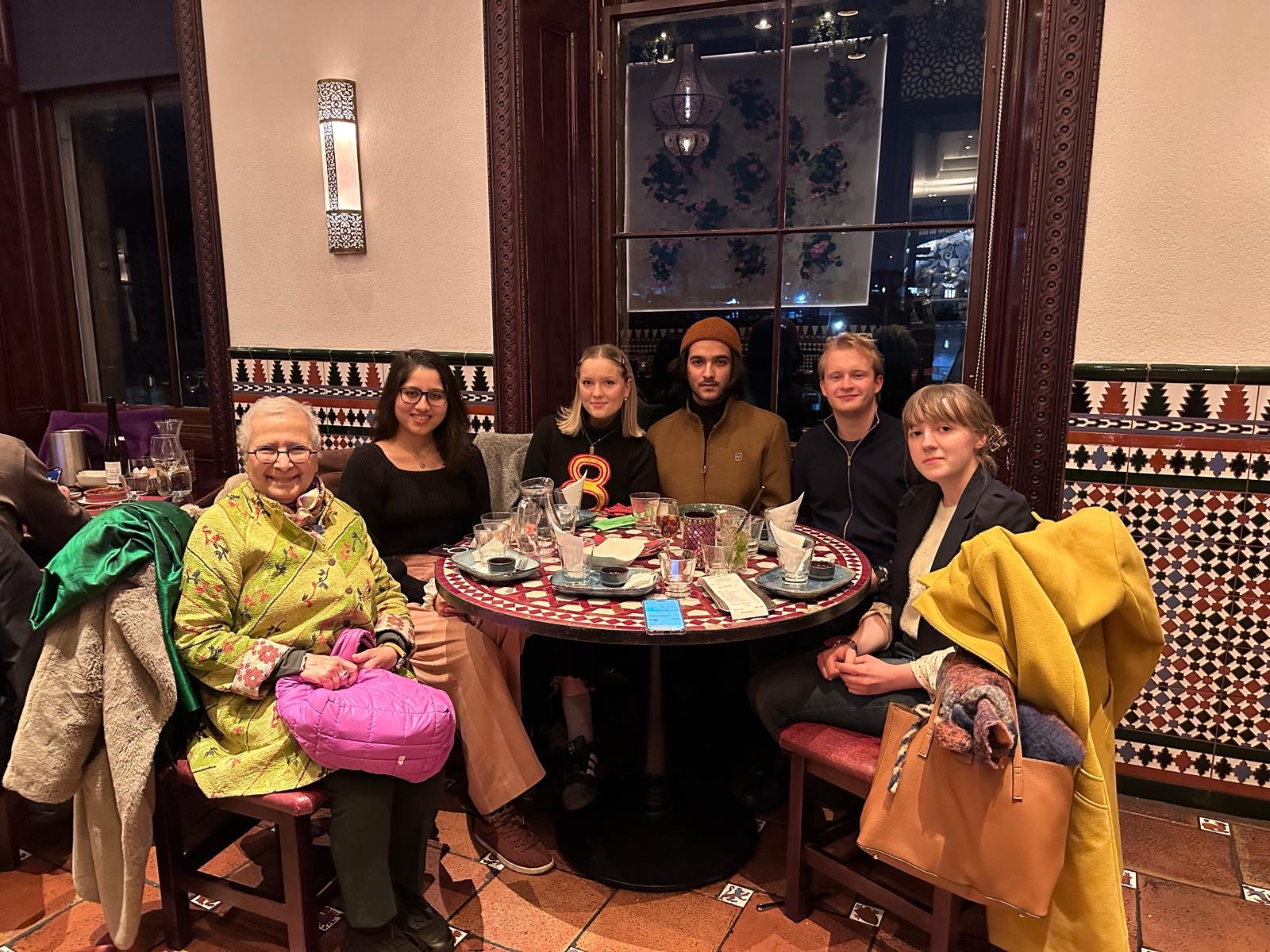
These formative experiences of beauty and curiosity were the key factors that led me to pivot from a career in law to one in History of Art, anchored at the Courtauld Institute and led by leading scholars of Trans-Asiatic art history. A few weeks into the MA, my supervisor and guide, Professor Sussan Babaie imparted a key lesson–that art history, as opposed to a romantic quest of beauty, is a scientific inquiry of objects that factually determine our shared histories. That the knowledge and challenge lies in one’s ability to look. To observe.
With that preface, I spent the next incredible nine months within a small cohort of friends, studying the early-modern empires, where borders were ambiguous and cultures were the determinants of convergence and divergence. Sometimes, the seminars would take us on an imaginary stroll through Naqsh-e-Jahan square in Isfahan and other times object-based research found me uncovering the mysteries of culturally hybrid objects, such as a jade jar with Mughal design and Mandarin inscriptions. Even though some journeys we imagined, others we partook in, first to Lisbon, to experience Eurasian cultural exchange and later to the University of Edinburgh, to study the 14th century manuscript Jami’ al-Tawarikh, an early example of Persian art of the books.
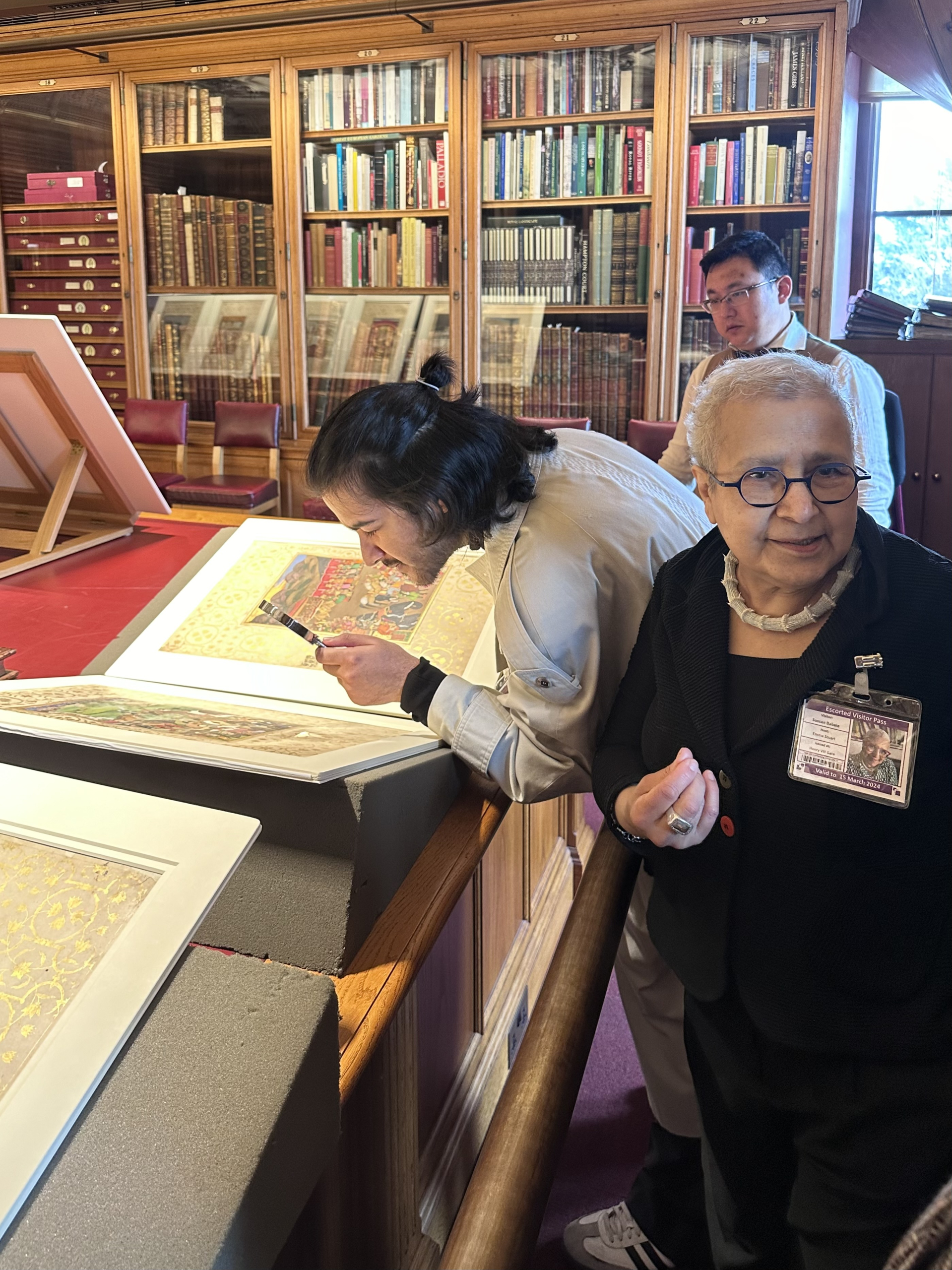
Before the end of the MA, Professor Babaie took our Special Option to visit the royal residence at the Windsor Castle. There, we experienced the Padshahnama, the illustrated biography of the Mughal Emperor Shah Jahan, and one of the most significant art objects in the world. Looking at the Padshahnama inspired the idea behind my MA dissertation, on which I was awarded a High Distinction. More viscerally, it was an indescribable sensory experience, with the object’s arresting beauty and historical significance.
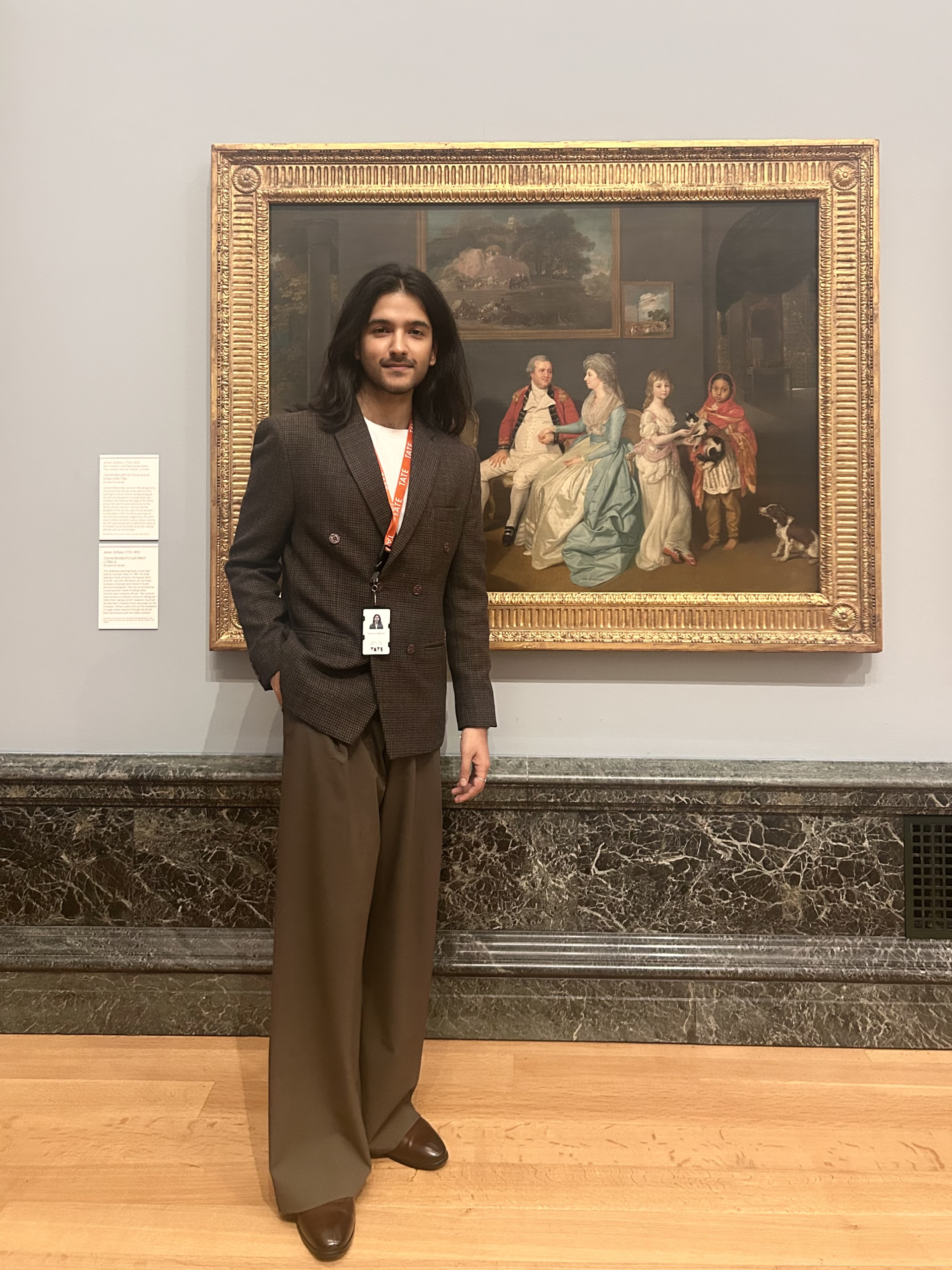
After the MA, I relocated to Saudi Arabia, working as an Archivist of 19th and 20th century Islamic and Middle Eastern objects in the Kingdom’s prestigious Art of Heritage collection. Over the course of a year, I archived and researched over 10,000 objects that reinforced my ability to look and observe, much like I was taught to do at the Courtauld Institute–where I returned last fall (2025) after being awarded the AHRC funded Tate-Courtauld Collaborative Doctoral Partnership, mentored by Dr Tom Young (Courtauld Institute) and Dr Alice Insley (Tate).
The doctoral and curatorial project focuses on portraiture produced during and in connections to the British Empire in India and takes on the 18th and 19th centuries of Indo-British history and visual production. A year into it, I have found the PhD to be a mediation between learning and unlearning– my supervisors have helped me expand the scale of my research capabilities, shifting the axis to include British portraiture and art theory, and to recognise my own positionality as an Indian historian within British networks of knowledge production.
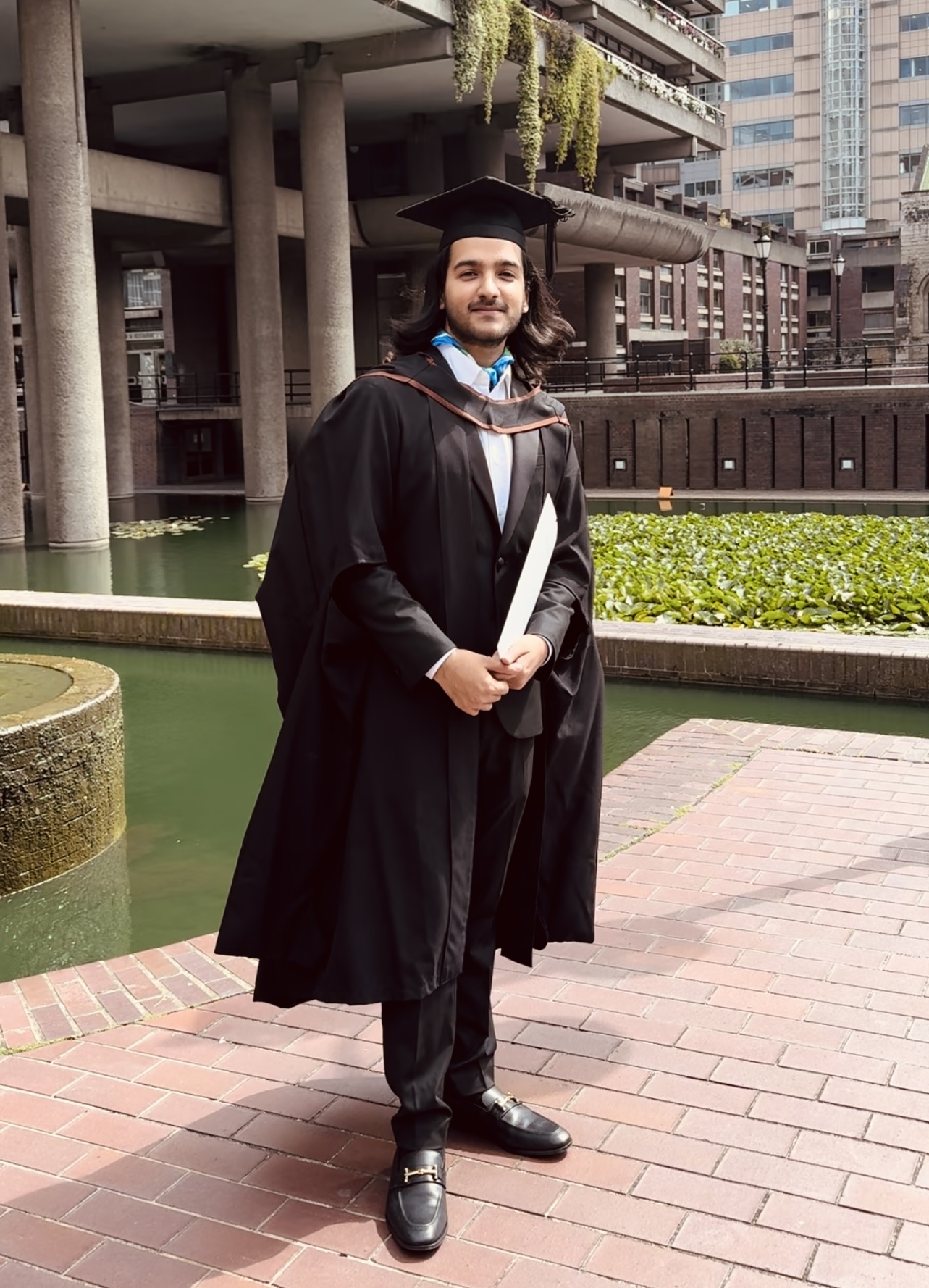
As I move forward in my doctoral and curatorial work, I am particularly looking forward to beginning teaching at the Courtauld Institute, where I hope to share, challenge, and expand the ways in which we engage with objects and histories. The journey that began with curiosity now continues with responsibility: to look closely, and to help others do the same.