By Andrew Dearman
Andrew Dearman studies BA History of Art at the Courtauld Institute. Last year, he received the John Hayes Travel Fund, which supports undergraduate students to undertake independent research outside of term time, and travelled to Egypt. Prior to beginning his BA, Andrew completed an apprenticeship at Christie’s, where he subsequently joined the Antiquities Department, coordinating biannual auctions and undertaking provenance research. Alongside his studies, Andrew has undertaken internships with the Center for Art Law and the Antiquities Coalition, further developing his interest in cultural heritage protection.
Having only just begun my studies at the Courtauld Institute, I was surprised and delighted to receive the John Hayes Travel Award: an annual research grant typically given in support of final-year dissertations. Thanks to this award, I had the pleasure of spending my summer in Egypt, where I participated in the Arabic Language Intensive Summer programme (ALIS) at the American University in Cairo (AUC). This programme placed me in close proximity to numerous monuments and museums that showcased the richness of ancient Egyptian visual culture, an area of study that has long fascinated me.
I was keen to use this opportunity to investigate Egypt’s relationship with its cultural heritage. Prior to my degree, I was a member of Antiquities department at Christie’s, where I was introduced to the legal and ethical concerns surrounding the trade of ancient art. Since then, I have developed a broader interest in cultural heritage policy, protection, repatriation, and curation. Egypt presents a particularly compelling case study due to the perennial popularity of Egyptian antiquities, fuelled by the global fascination with “ancient Egypt.” Despite its economic, political, and cultural prominence within the Arab world, the 2011 revolution saw devastating losses to Egypt’s cultural heritage due to looting. As such, Egypt has remained at the forefront of global conversations concerning repatriation and cultural heritage protection.
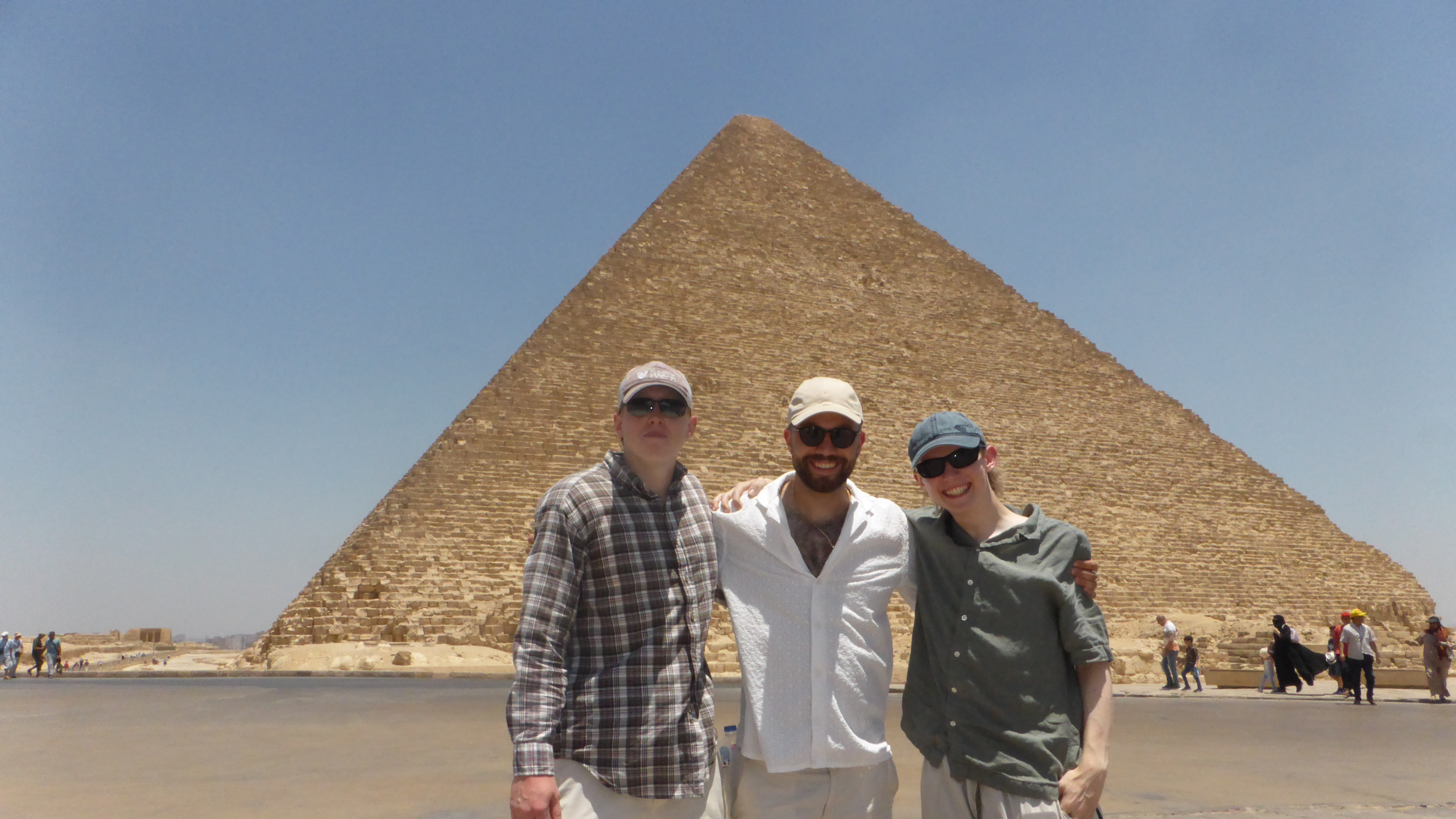
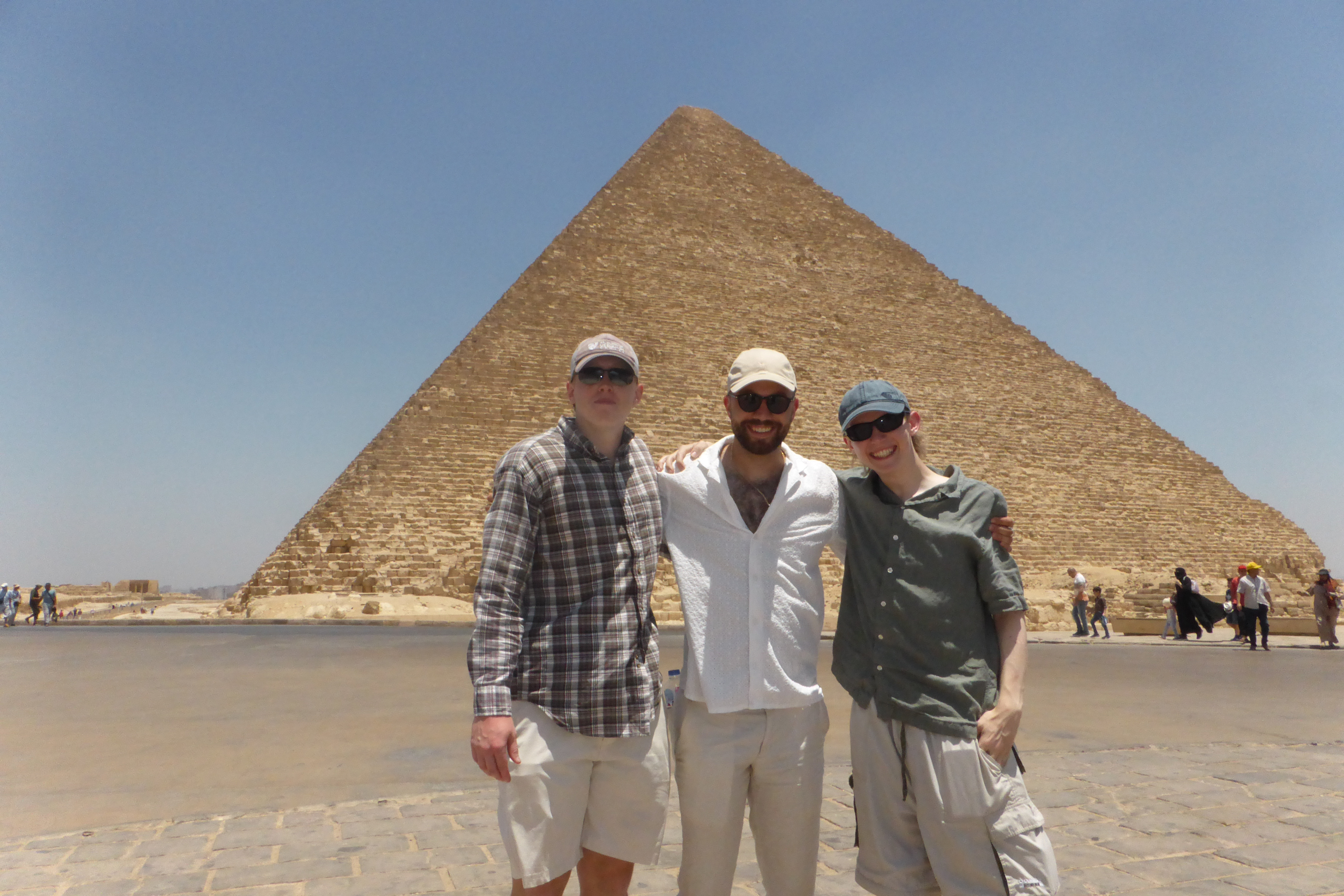
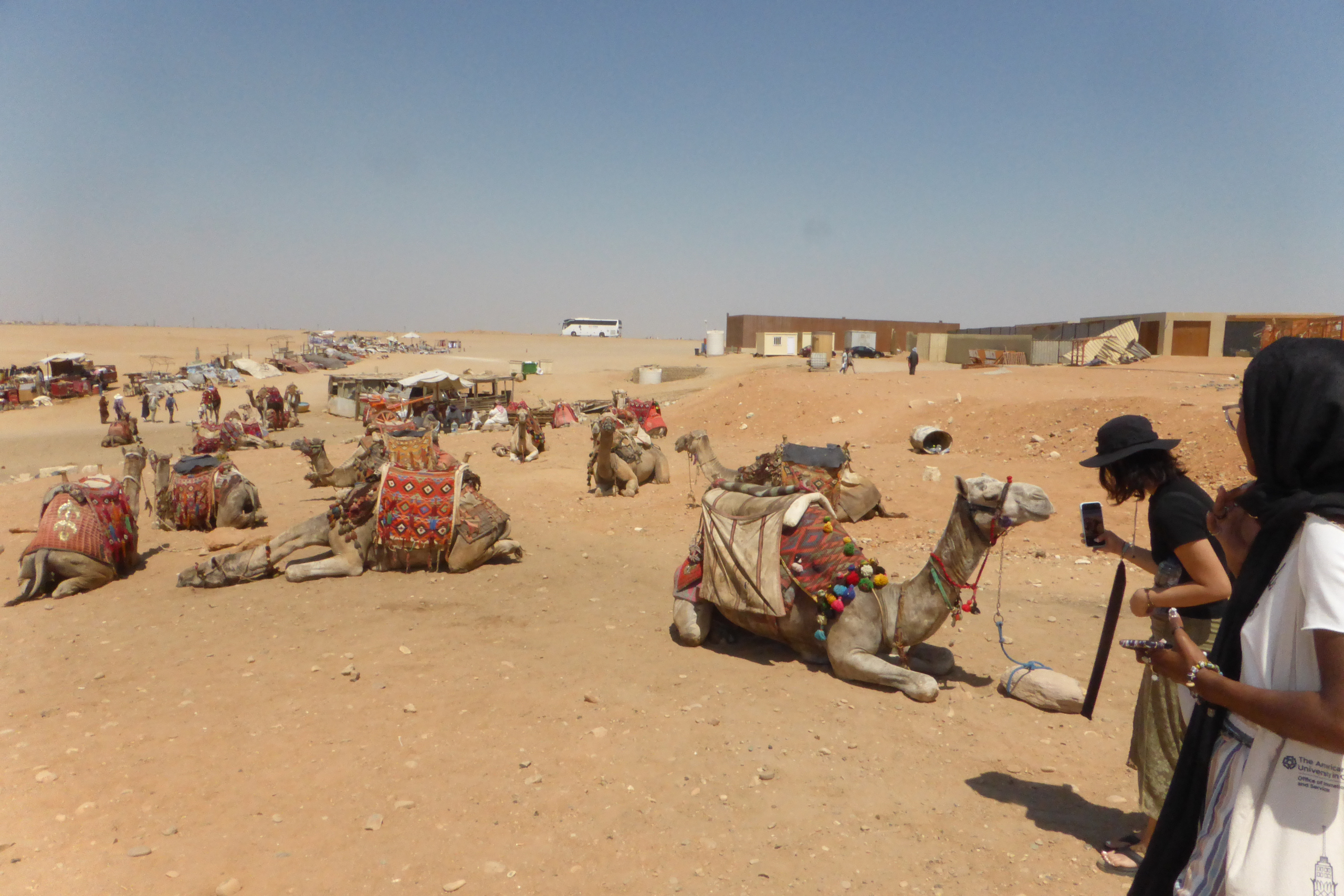
The ALIS programme included cultural excursions, the first of which took us to the Giza Necropolis, fulfilling my childhood dream of witnessing the Sphinx and the Pyramids. However, the experience was somewhat sullied by the persistence of scammers and souvenir sellers, who simultaneously rely on, yet disregard the historical significance of the site. Even the tour guide hired by AUC occasionally presented incorrect or dramatised information as fact. It became clear that “the Pyramids”, and by association the mythological idea of “ancient Egypt”, form the foundation of the country’s national identity in the context of tourism.
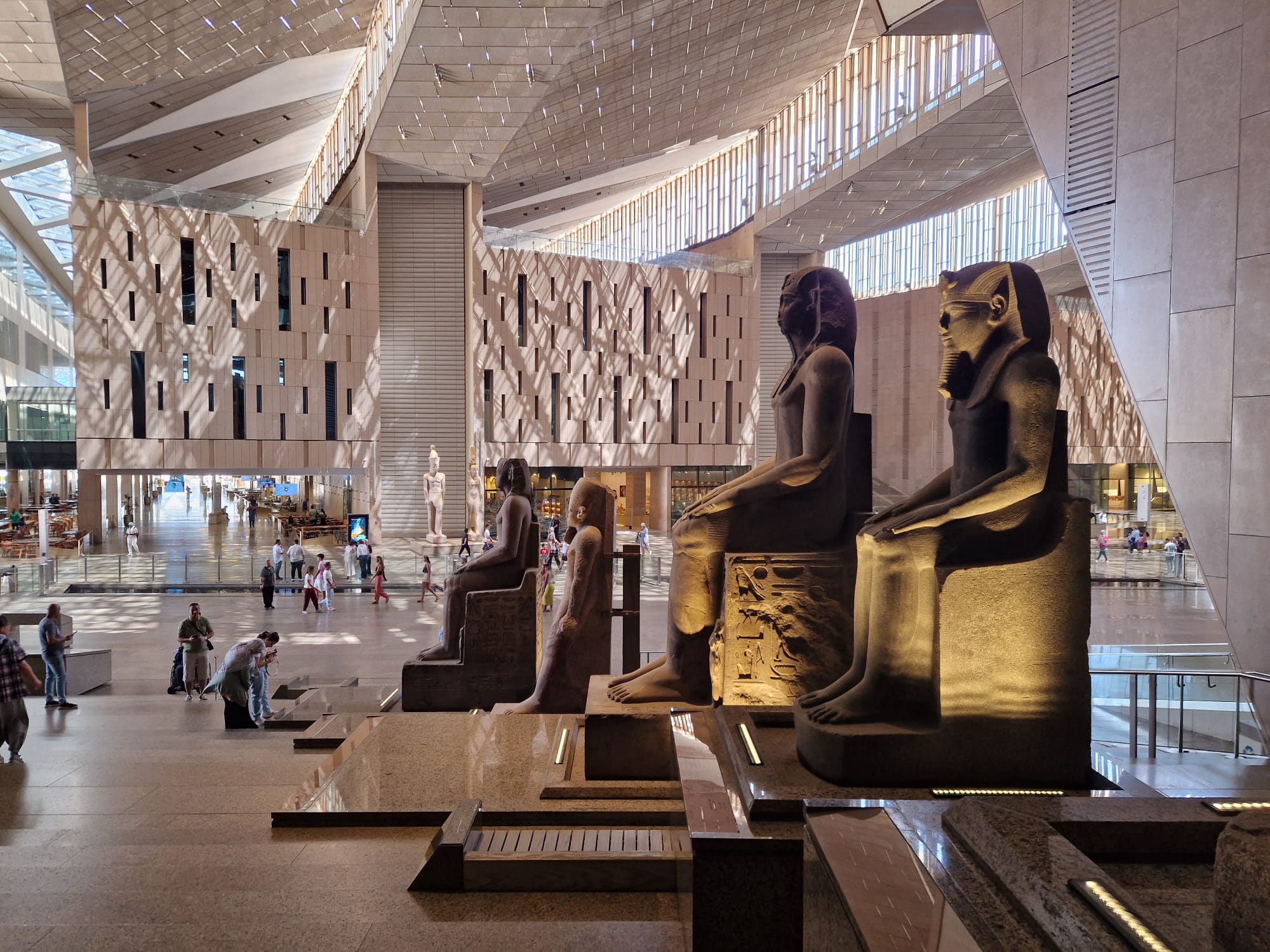
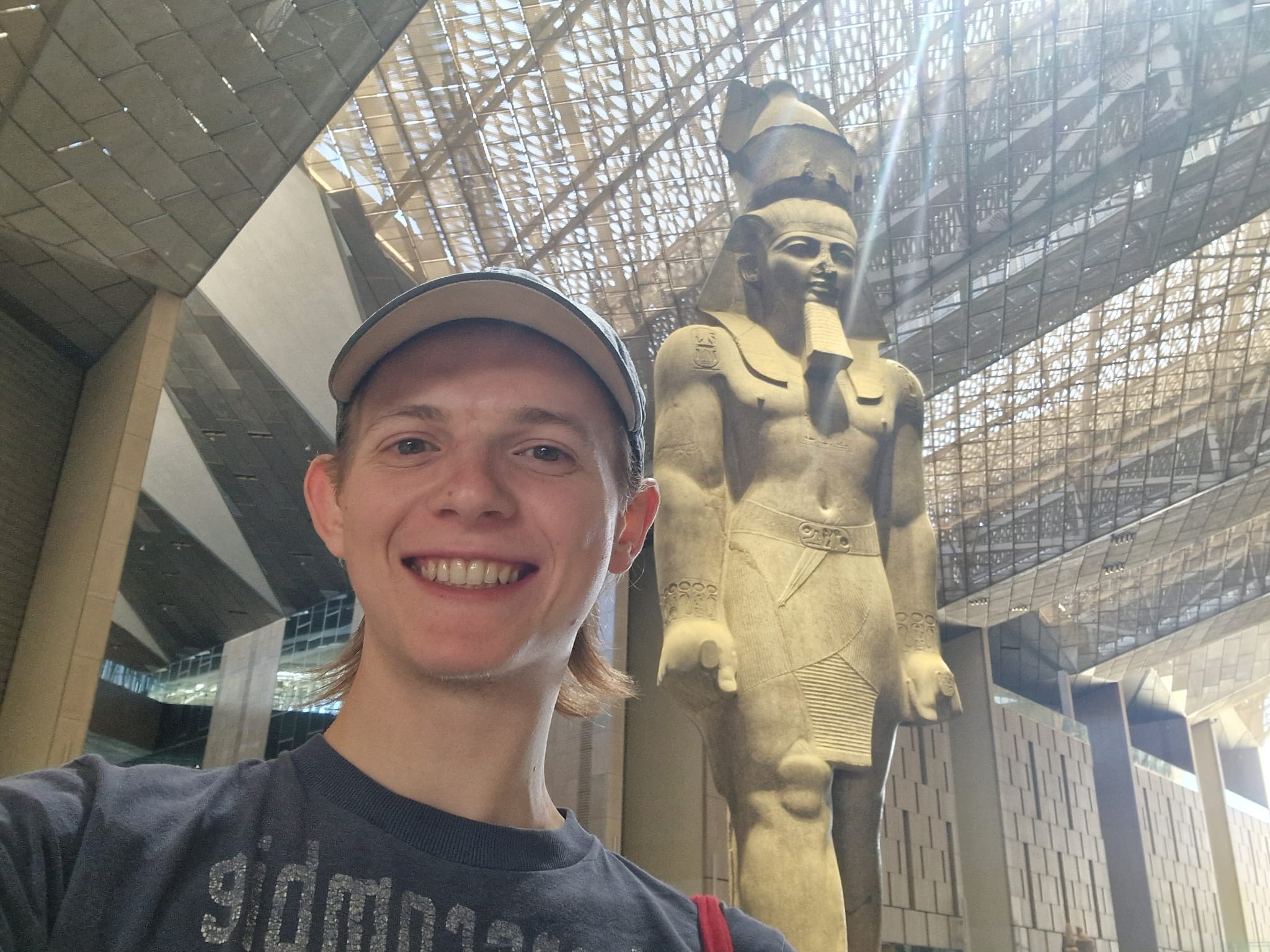
This tension followed me to the newly opened Grand Egyptian Museum (GEM). The institute is undeniably impressive; it is vast, polished, and thoughtfully curated around a chronological narrative of Egyptian history. However, the large wing of the building dedicated to luxury cafés and retail spaces recalled the popular “mall culture” I encountered in Cairo, reserved primarily for upper class Egyptians. This atmosphere of exclusivity is heightened by the museum’s inaccessibility except by car, although locals are charged a cheaper entry fee. Furthermore, the museum’s extravagant opening ceremony was designed to attract international attention, exposing GEM’s critical role in projecting a renewed, state-constructed national image.
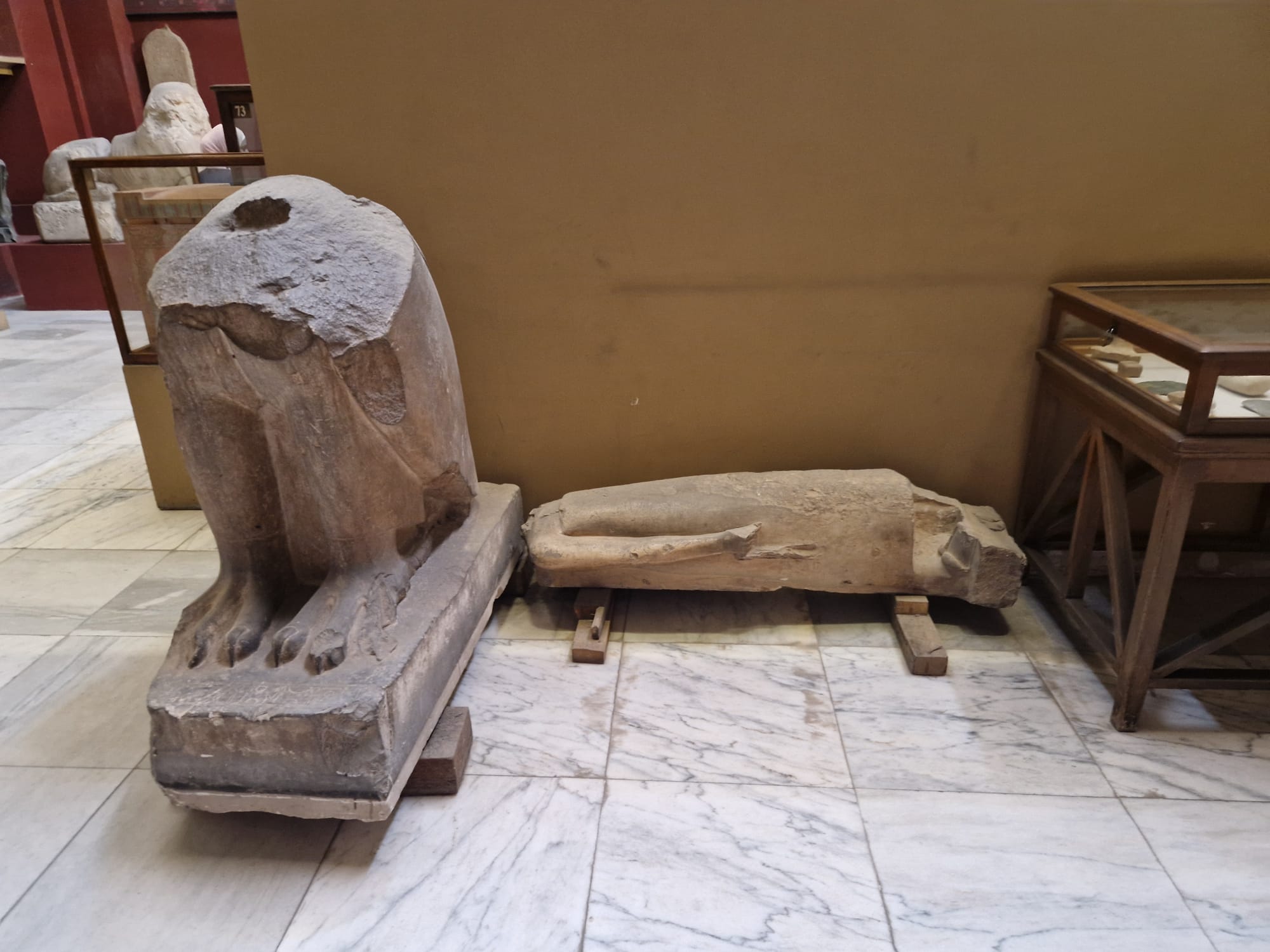
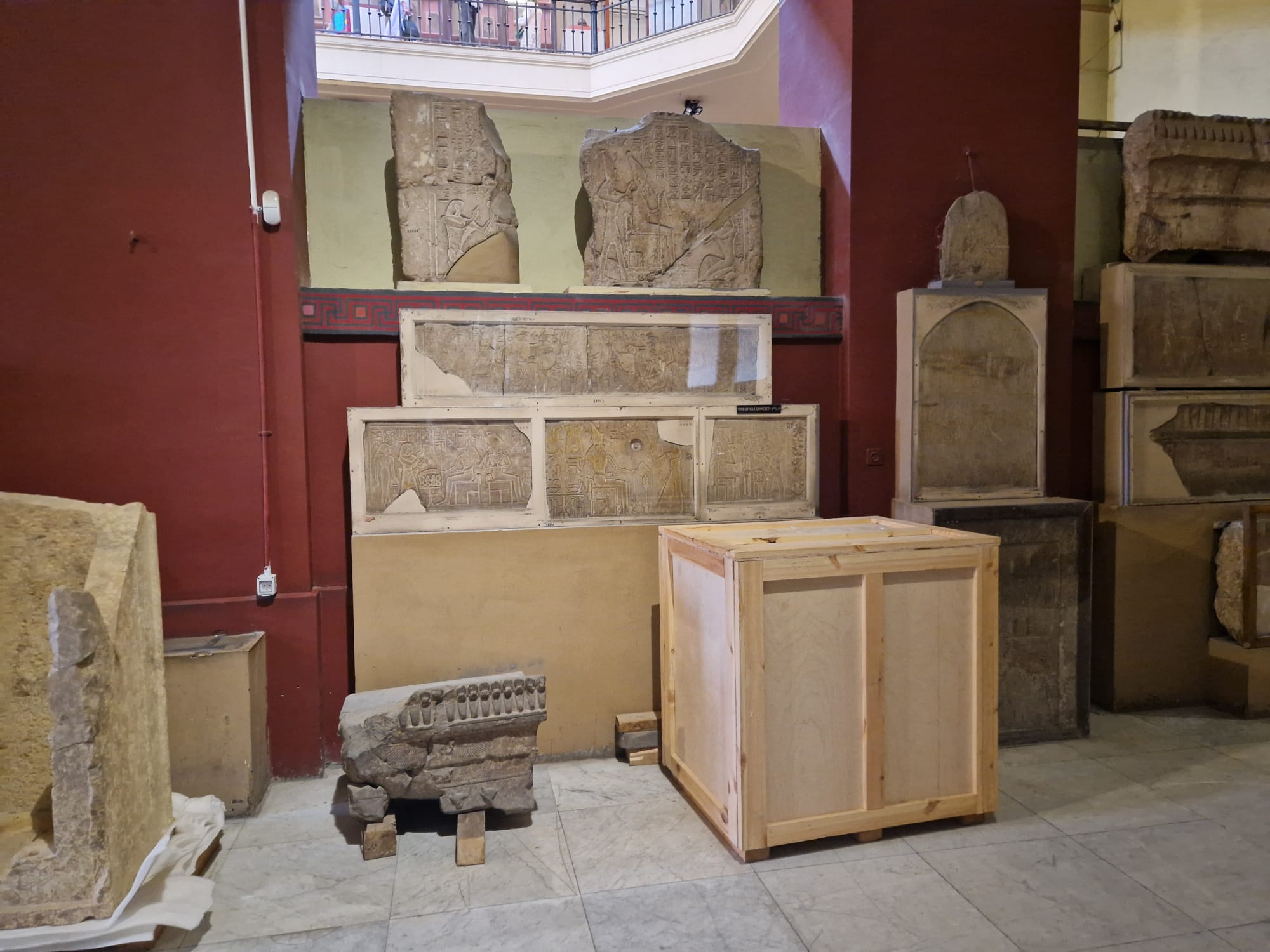
The historic Egyptian Museum offered a contrasting experience. Despite many objects being transferred to GEM, the remaining collection is still expansive, with artefacts densely arranged throughout the galleries. The museum appeared neglected; displays were dusty and outdated, and reliefs were left propped against walls and sculptures rested indiscriminately on the floor. Shortly after I left Egypt, news broke that a gold bracelet had been stolen from the museum’s restoration laboratory. The lack of curation and security seemed at odds with the Egyptian government’s hefty investment in GEM. Again, this illustrated how on a state level, national image is prioritised over the effective management and accessibility of cultural heritage.
My time in Egypt fundamentally shaped the way I think about the display, preservation, and interpretation of cultural heritage. At times, I was challenged or surprised by my experiences, yet I was consistently impressed by the quality and significance of the artefacts themselves. Returning to the Courtauld Institute in September, I was excited to encounter many of these questions again in our Exhibiting Art module, which examines histories of collecting and curating, and how these influence the interpretation of art and cultures. I look forward to continuing to explore these issues in my dissertation.