By Hannah Buckley
Hannah Buckley is just coming to the end of her MA History of Art at the Courtauld Institute. After graduating from the University of Bristol in 2022 with a degree in English Literature and Liberal Arts, she spent two years working in the fashion industry before returning to her longstanding interest in art and history.
Volunteering at galleries and developing her own artistic practice, Hannah cultivated a deeper engagement with visual culture, which lead her to pursue postgraduate study. Drawn to the Courtauld’s collection and the commitment of its teaching staff, her academic work explores the intersections of literature and visual experience. She hopes to pursue a career in curation or research following her graduation in summer 2026.
Coming from an academic background in English Literature and modern art, I wasn’t entirely sure what to expect from my MA History of Art Special Option Talking Pictures: Images and Ideas in Medieval Art, 1000-1300. Although I was very interested in medieval art and excited by the prospect of studying it, I initially worried that I lacked the historical grounding or familiarity with its visual conventions to fully engage with the material or keep up with my cohort. Luckily, I was wrong, and these concerns quickly disappeared. What the course revealed, above all, was not how much I didn’t know, but how much medieval art invites close, curious, and open-ended looking.
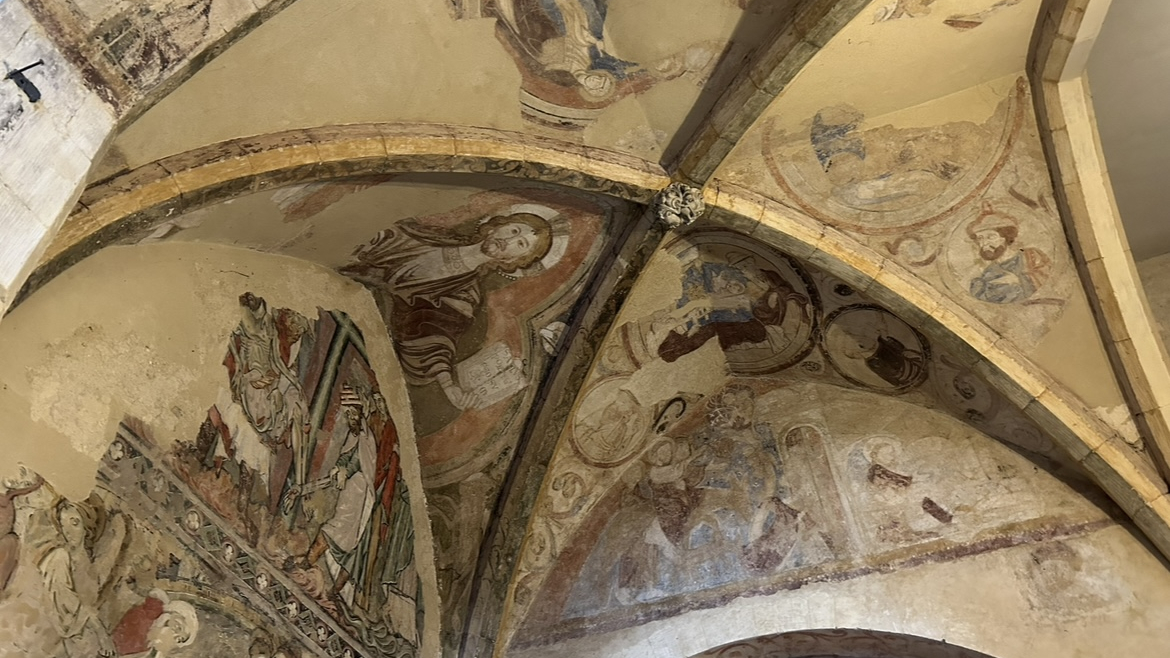
Taught by Dr Teresa Lane, Talking Pictures explores the relationship between text and image in the Middle Ages, asking how visual forms conveyed meaning, narrative, and social and theological ideas. Consisting of a mix of on-site seminars and off-site trips, the course examines the intersection of the visual and the verbal through a vividly diverse range of subjects and media. Beginning with illuminated manuscripts and gradually expanding to encompass sculpture, metalwork, stained glass, and architecture, the course offered a carefully structured introduction to the period. This progression—from the intimacy of manuscript pages to the scale of cathedrals—allowed us to build confidence in recognising motifs, styles, and visual strategies across different media. Moving from historiated initials to grand wall paintings, it was exciting to recognise visual languages across contexts and to realise how much we had absorbed through this progression.
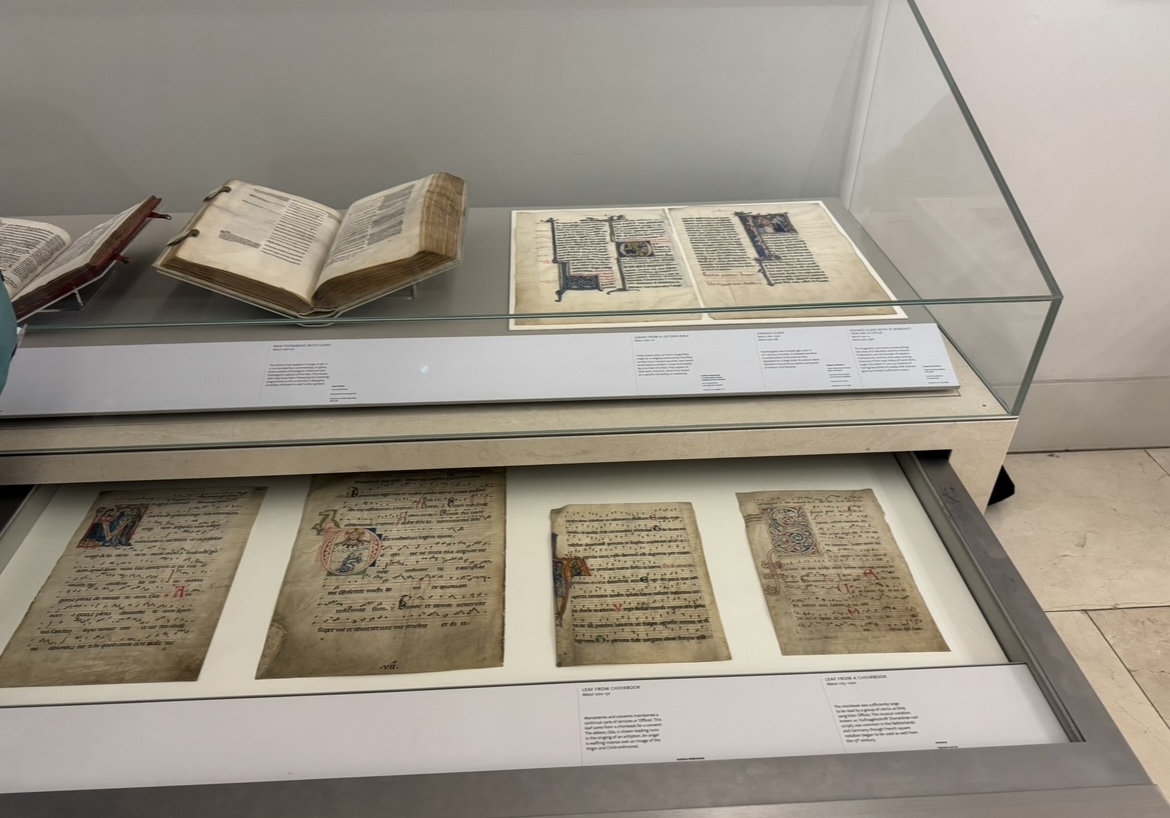
One of the most valuable aspects of the course was its emphasis on close looking. Each week centred on a specific object, manuscript, or site, supported by focused readings and seminar discussions, allowing us to fully grasp the material before applying it ourselves. This framework made what initially seemed like a vast and daunting period feel manageable and coherent. I remember, at the start of the course, feeling overwhelmed by the sheer scope of the material; a few months later, I found myself able to look at a stained glass window and identify familiar iconography and motifs. This method also encouraged active engagement, often through presentations, fostering both collaboration and a shared sense of discovery within the group.
Semester One introduced us to late Anglo-Saxon art, particularly through the study of monumental manuscript bibles and richly illustrated texts. Examining works such as gospel books and psalters, we explored the relationship between image and text, not simply as illustration and explanation, but as intertwined systems of meaning. This idea continued to develop as we moved beyond manuscripts to consider architecture and liturgical objects, particularly in the context of Anglo-Norman England. Visiting cathedrals such as Winchester and Canterbury brought these ideas to life, allowing us to see how visual language operated not only on the page but within physical and devotional spaces. Medieval objects can sometimes feel distant when encountered in isolation, removed from their original setting, but visiting these sites contextualised and grounded what we had been studying. The relationship between image, space, and the viewer became much more tangible, and walking in the footsteps of those we had been studying was invaluable!
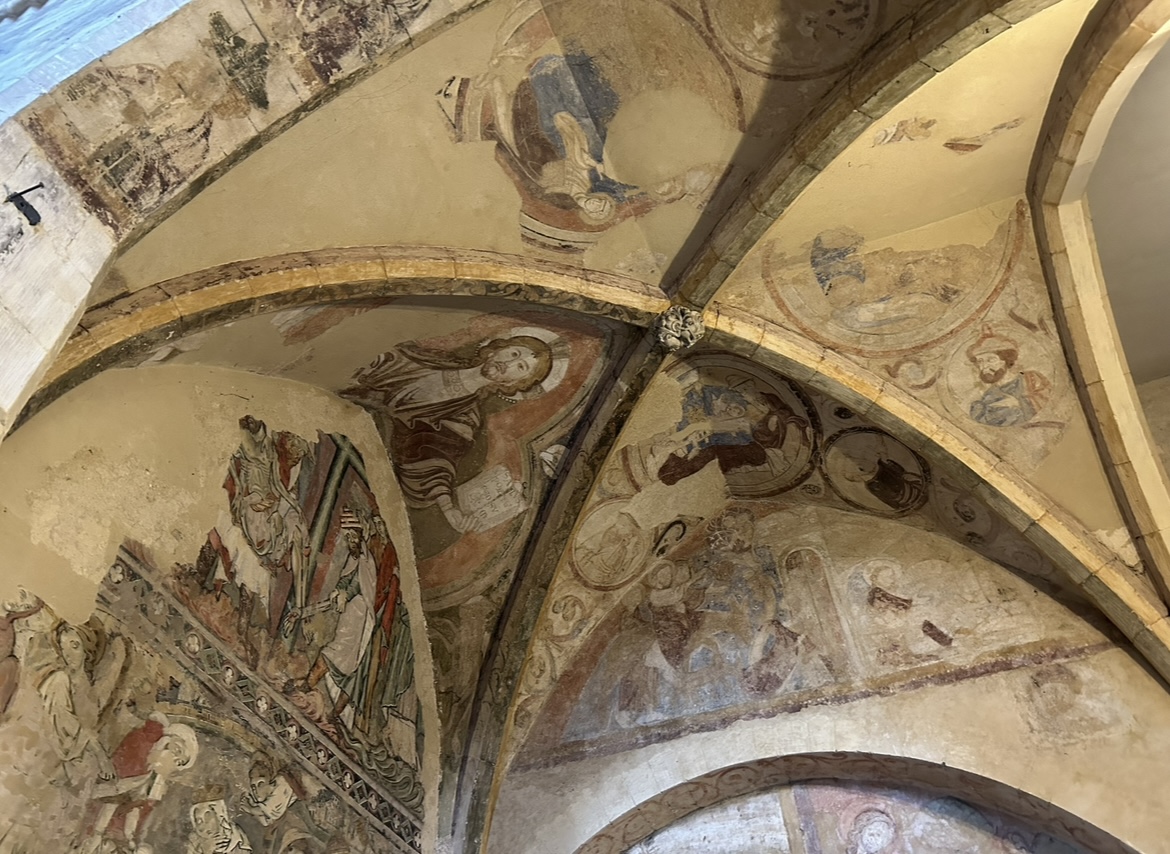
The second semester shifted focus to the wider European context, exploring art produced in context of the Crusades and broader historical change. Looking at manuscripts such as the Apocalypse, alongside works like the Bayeux Tapestry, we considered how images could shape historical narratives, at times (in certain perspectives) even taking precedence over text. This raised fascinating questions about authority, interpretation, and the power of visual storytelling, and let us apply learnt themes and frameworks onto objects and artwork.
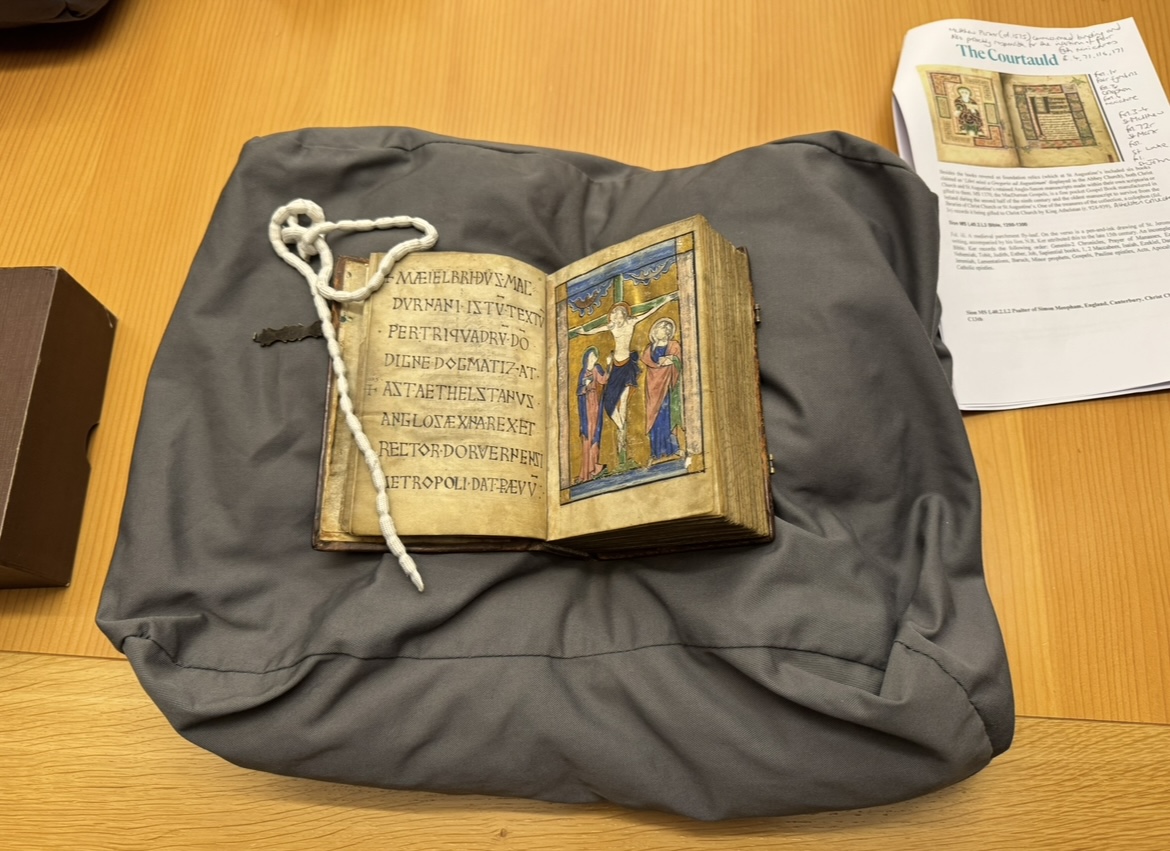
A defining feature of the course was its emphasis on first-hand engagement with objects. Our visits to institutions such as Lambeth Palace Library, the British Library, Temple Church, the Wyvern Collection, and the V&A were invaluable. At Lambeth Palace Library, we examined manuscripts including the MacDurnan Gospels and the Lambeth Apocalypse up close. Seeing these works in person, observing the texture of material, the scale of the pages, and the vibrancy of pigments, transformed our understanding of them. These were not simply images reproduced in books or on our screens, but physical objects designed to be handled, viewed, and experienced in specific ways. Being based in London, we are fortunate to have such institutions on our doorstep, but it was the teaching and contextual knowledge that allowed us to see these objects in a new light, deepening how we interacted with and understood them.
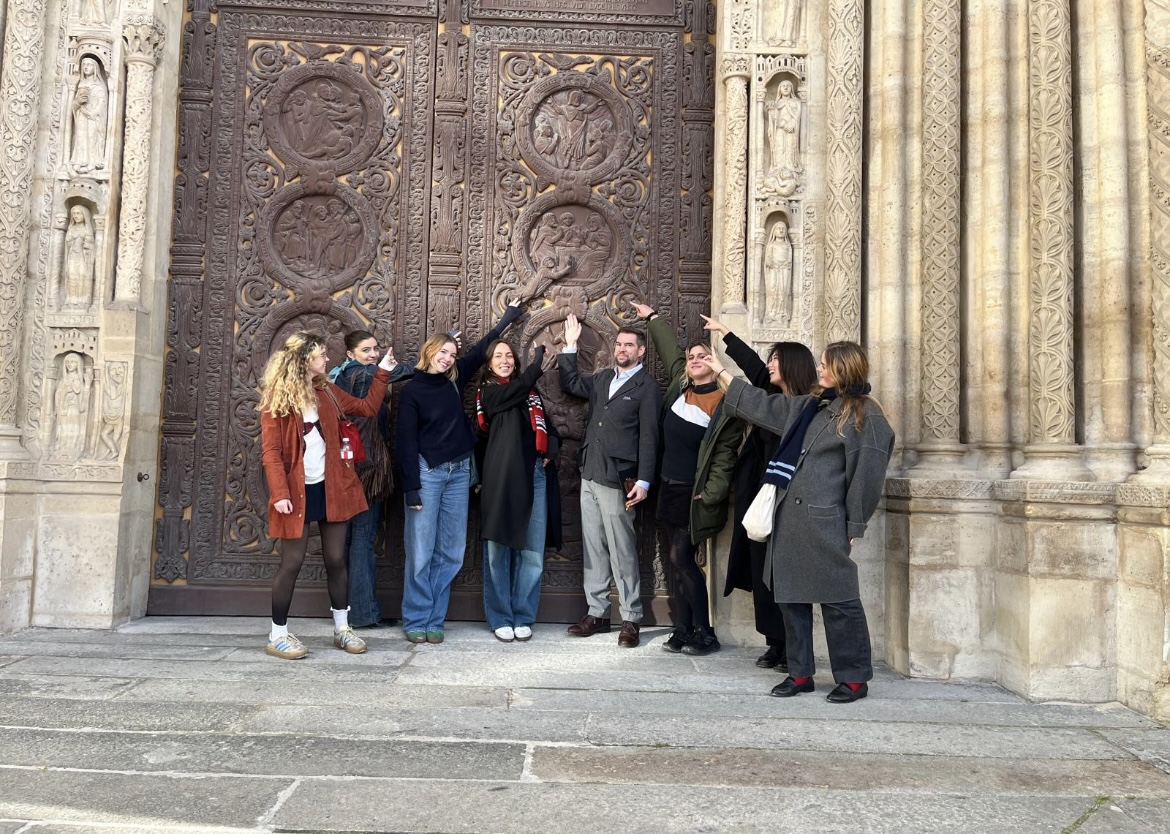
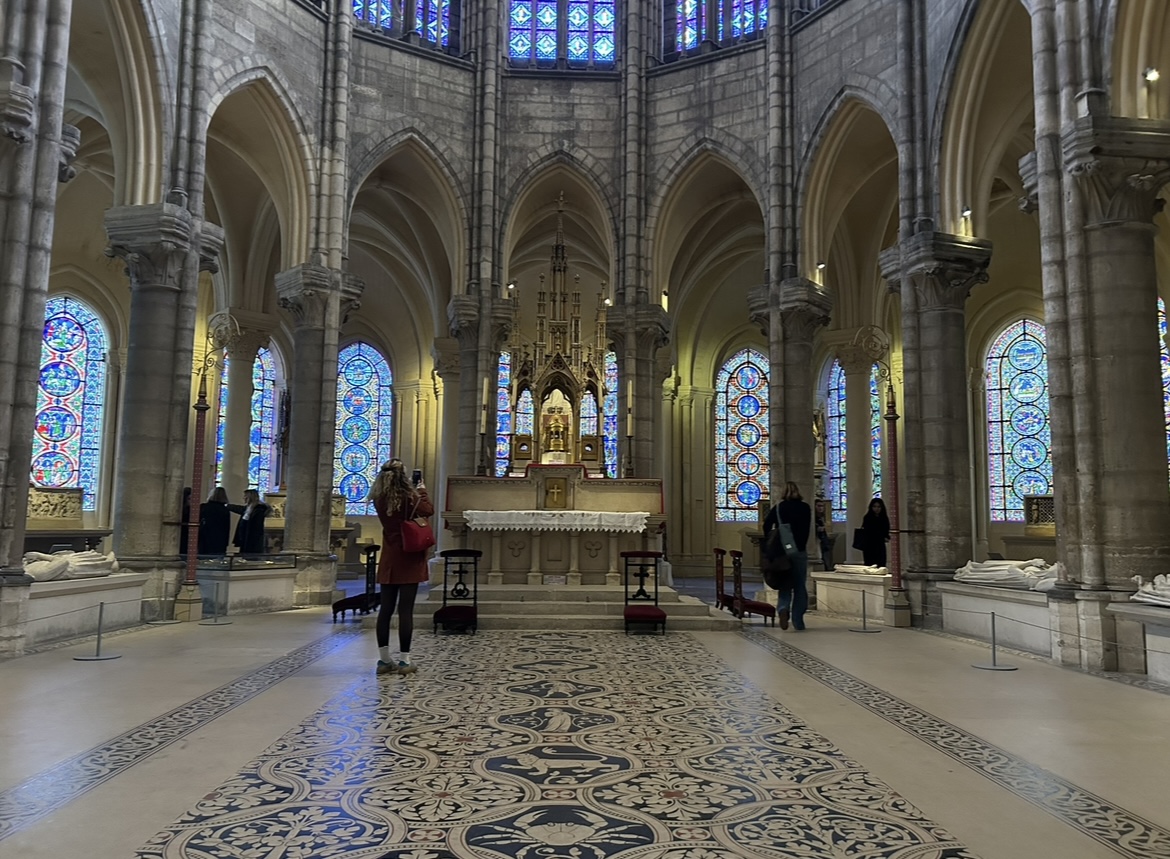
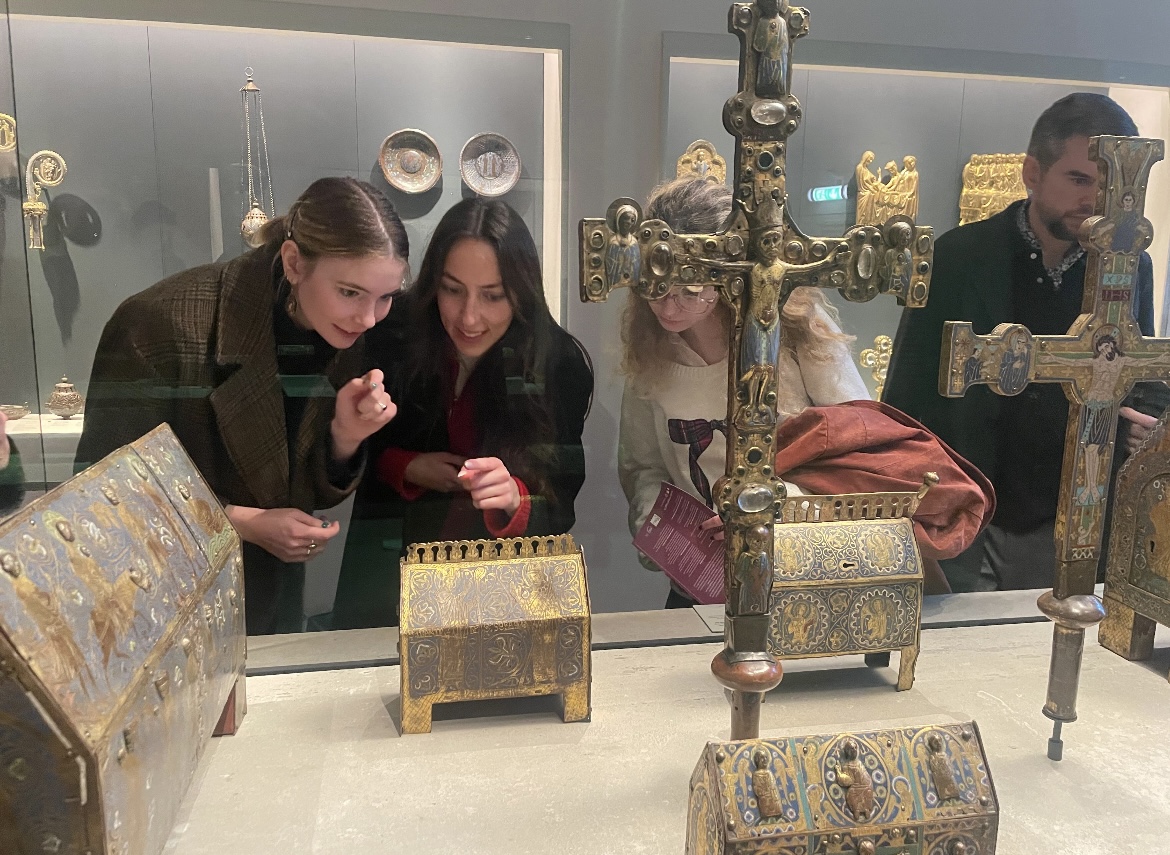
A highlight of the course was the study trip to Paris. Visiting sites such as Notre-Dame, the Musée de Cluny, and the Basilica of Saint-Denis provided an opportunity to engage directly with some of the most significant monuments of medieval art. These visits reinforced the course’s central themes, particularly the interplay between visual form, narrative, and meaning across different contexts and media.
Beyond developing visual and analytical skills, Talking Pictures also encouraged us to think critically about the processes behind the making, preservation, and interpretation of art. Questions of patronage, artistic identity, and the transmission of ideas were woven throughout the course, alongside discussions of historiography and methodology. This combination of close looking and broader critical perspectives helped situate individual objects within larger intellectual, theological, and social frameworks. Over the course of the unit, we learnt how to apply our personal perspective, critical and scholarly debates, historical context and visual analysis to fully grasp these medieval artworks and how they were received!
The unit also fostered a collaborative and supportive learning environment. Our cohort brought a range of academic backgrounds and specific knowledge interests, enriching discussions and creating a space in which ideas could be shared openly. This encouraged collective exploration and mutual support throughout the course, and curated an area of communal engagement and conversation.
Looking back, Talking Pictures fundamentally changed the way I approach not just medieval art, but history and art in general. It has shown me that understanding a period and its produce is not simply about mastering a fixed body of knowledge, but about developing the tools to ask meaningful questions: how images work, how they communicate, and how they were experienced. The unit not only deepened my appreciation of medieval visual culture, but also gave me greater confidence in engaging with complex material across disciplines which I will continue to use even post graduation. Academically and intellectually enriching, it was also an immensely enjoyable experience, and one in which every seminar and trip felt genuinely rewarding to be part of.