By Ashley Blake
Ashley Blake studies MA Art History and the Conservation of Buddhist Heritage, with a particular focus on contemporary Tibet. He joined the Courtauld Institute in September 2025 after completing his BA History of Art at the University of York. His undergraduate dissertation examined self-portraiture in the Pitt Rivers Museum’s 2019 exhibition Performing Tibetan Identities, analysing how artists negotiate the balance between tradition and modernity.
Last summer, he undertook an internship with Students for a Free Tibet in New York, contributing to research on the repatriation of Tibetan cultural objects from the United States to the Chinese government and its wider implications. He now serves as the organisation’s London Campaigns Coordinator.
His MA dissertation will explore the intersection of Buddhism and politics across Tibet, Japan, and China, including the gendered representation of the bodhisattva Avalokiteśvara (also known as Chenrezig, Kannon, or Guanyin). Ashley intends to pursue a career in human rights work, focusing on how Tibetan histories are constructed, contested, and communicated through media, art, and curation practices.
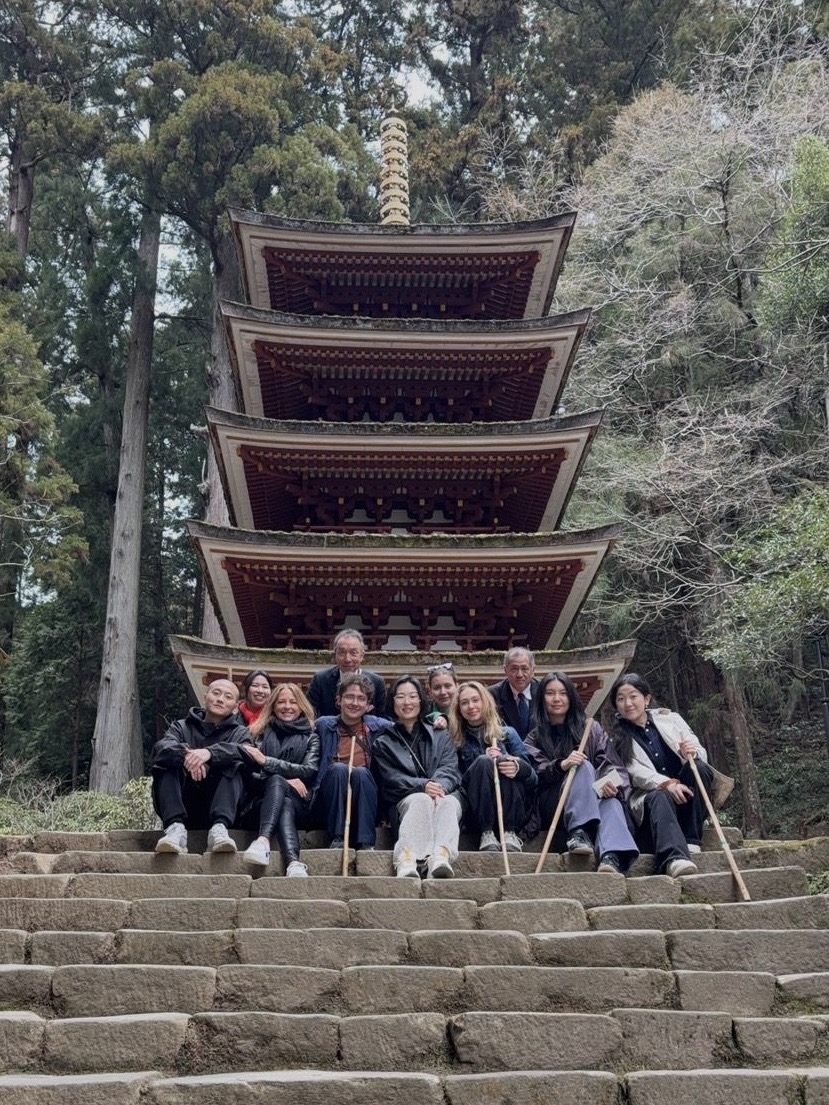
The Courtauld Institute’s MA Art History and Conservation of Buddhist Heritage annually sends its students to Asia for a two-week study trip, offering the opportunity to encounter objects in situ. This year, our destination was Japan. In March, we travelled as a group through Nara and Kyoto, with additional free time taking me to Tokyo, Kōyasan, and Osaka.
We began in Nara with a visit to Tōdai-ji, a UNESCO World Heritage site housing the monumental Daibutsu (Great Buddha). Seeing this colossal bronze figure in person, rather than in reproduction, highlighted the scale, materiality, and devotional power of early Japanese Buddhist sculpture. The temple complex itself was interesting as it served as a tourist destination rather than devotional, with lots of foreign visitors taking selfies in front of the Buddha. This greatly contrasted with some of our later visits.
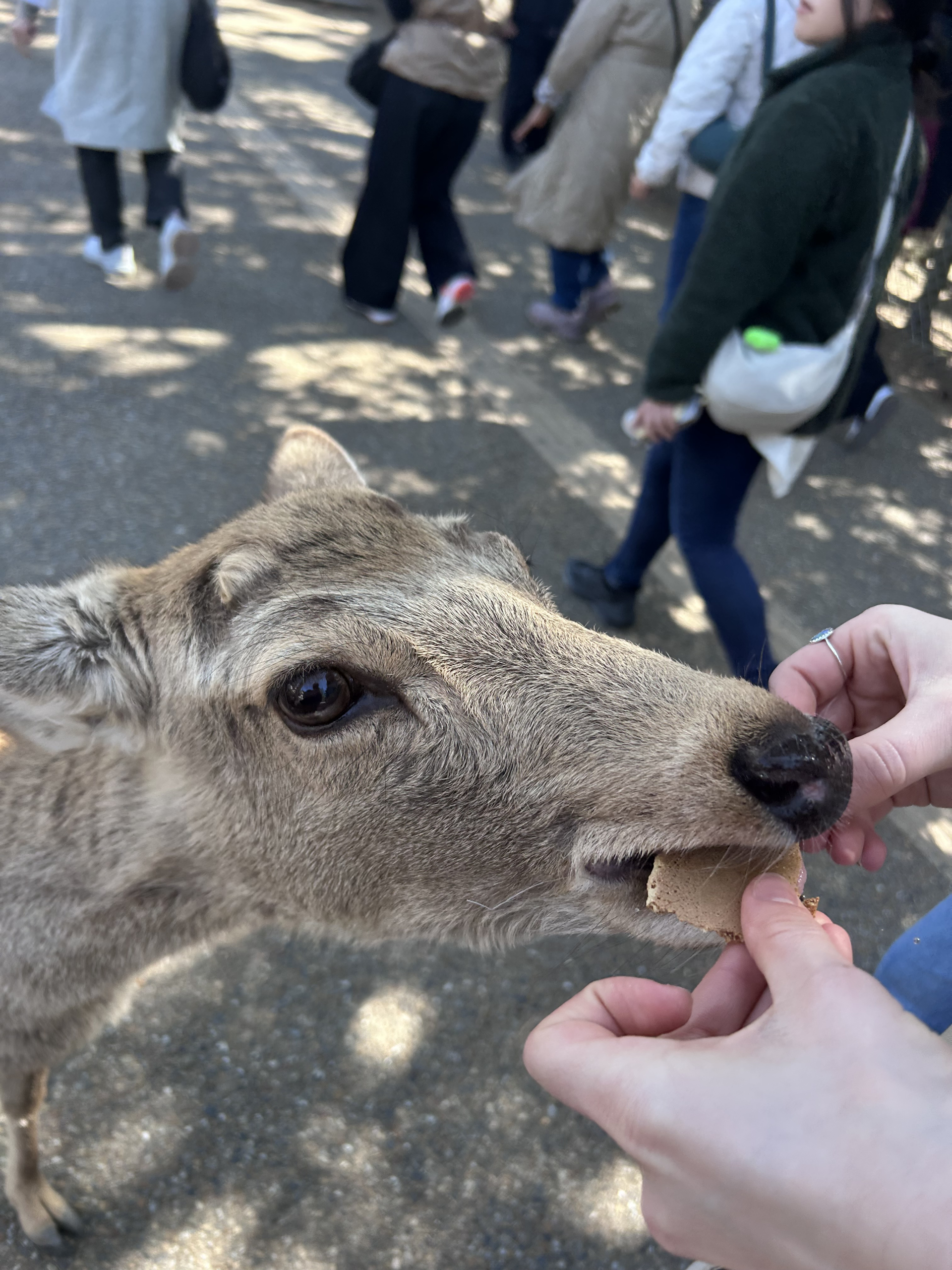
Our time in Nara also included the infamous deer park, where we were nibbled and bowed to by the free-roaming animals, as well as visiting local Shinto shrines. The shrines in Japan ranged from small cupboards on the pavement to huge temple complexes, and even shinto bells or prayers within Buddhist temples, and they often house very specific and interesting deities! One shrine in particular piqued my interest, as it was dedicated to those working in ice-related industries, such as ice cream or refrigeration, who offer blocks of ice to the enshrined deities. This coexistence of religious traditions in Japan was evident throughout the country with Shinto practices tending toward the needs of the living, and Buddhist traditions focusing on death and rebirth, often operating side by side.
A particularly moving experience for us took place at Hase-dera, where we participated in an ancestry memorial ceremony. The day we attended was one of two per year when visitors are offered the opportunity to physically touch the feet of the huge 30ft, wooden Kannon statue, and it was just our small group there. This atmosphere created a rare and intimate embodied engagement for us with the sculpture, which, in the West, are almost always kept at a distance or behind glass in a museum context. To make physical contact with it, in prayer, was incredibly moving.
While in Kyoto, myself and a peer undertook a pilgrimage hike at Fushimi Inari. We visited in the evening, expecting a small temple with some photo opportunities, but were greeted by thousands of vermilion torii gates spanning up the mountain, and a Shinto priest, who chanted with us and blessed us under a sacred waterfall. This was an incredible and deeply spiritual experience which set us up for our journey to Kōyasan for the weekend.
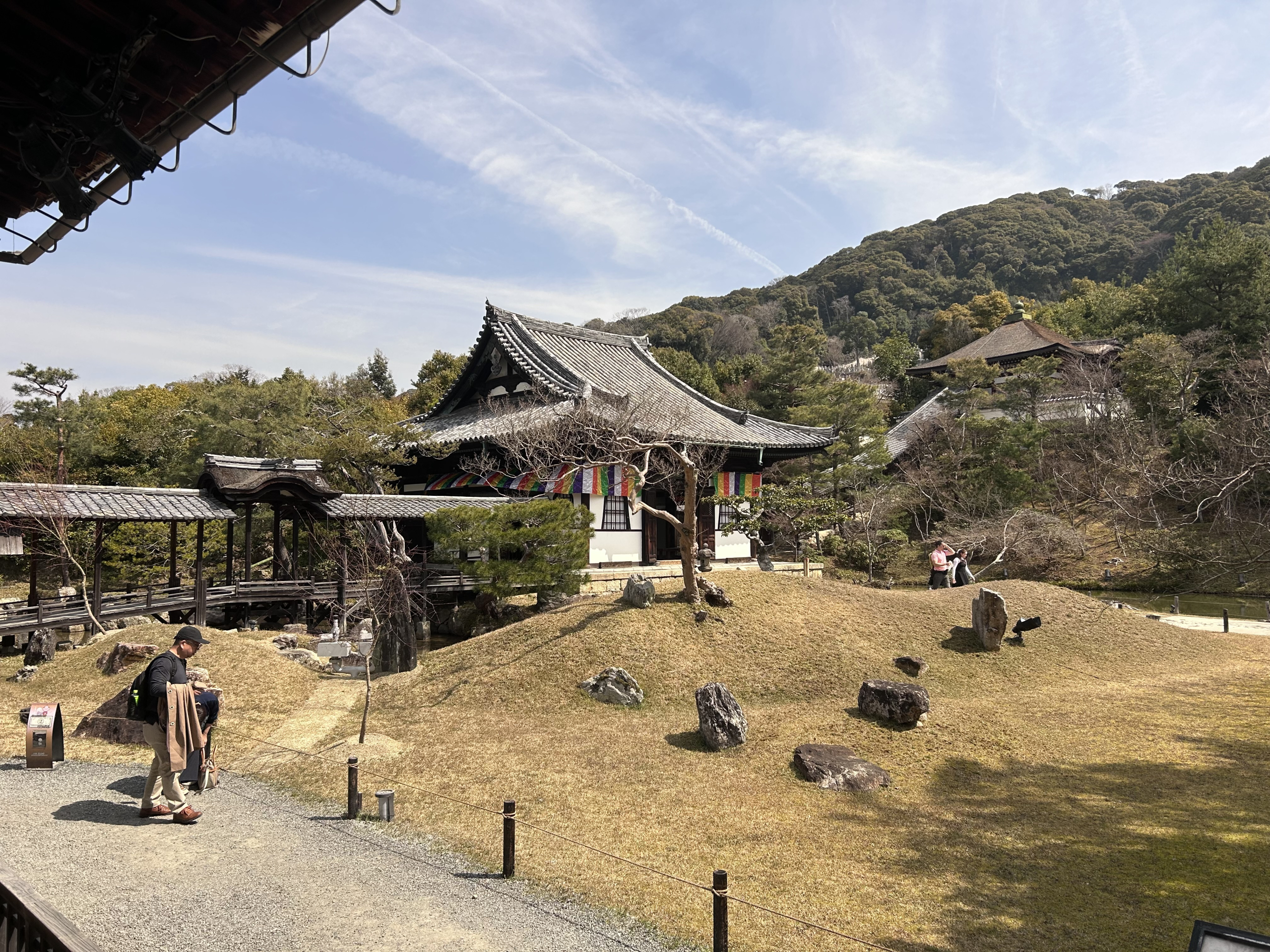
Mount Kōya is regarded in Japan as a sacred, living landscape. We stayed at Fumon-in, where we ate, slept, and prayed alongside the monks, while also exploring the surrounding village of more than one hundred other temples. Among these was Okunoin, where the founder of Shingon Buddhism, Kōbō Daishi, is believed to remain in eternal meditation. The atmosphere here felt markedly different from the cities. Rather than busy with tourists, the site was quiet except from pilgrims, and the ways of engaging with the statues reflected this ongoing devotional presence. No images were allowed to be taken of the sculptures, as they are consecrated and believed to hold the deities’ spirits.
Kōyasan also housed a remarkable museum, displaying both replicas and original works within an immersive soundscape, offering a striking contrast to the more conventional presentation of permanent collections in London. After introducing ourselves as students at the Courtauld Institute, the staff even invited our opinions on their curatorial approach and spoke with us about their conservation practices within the galleries.
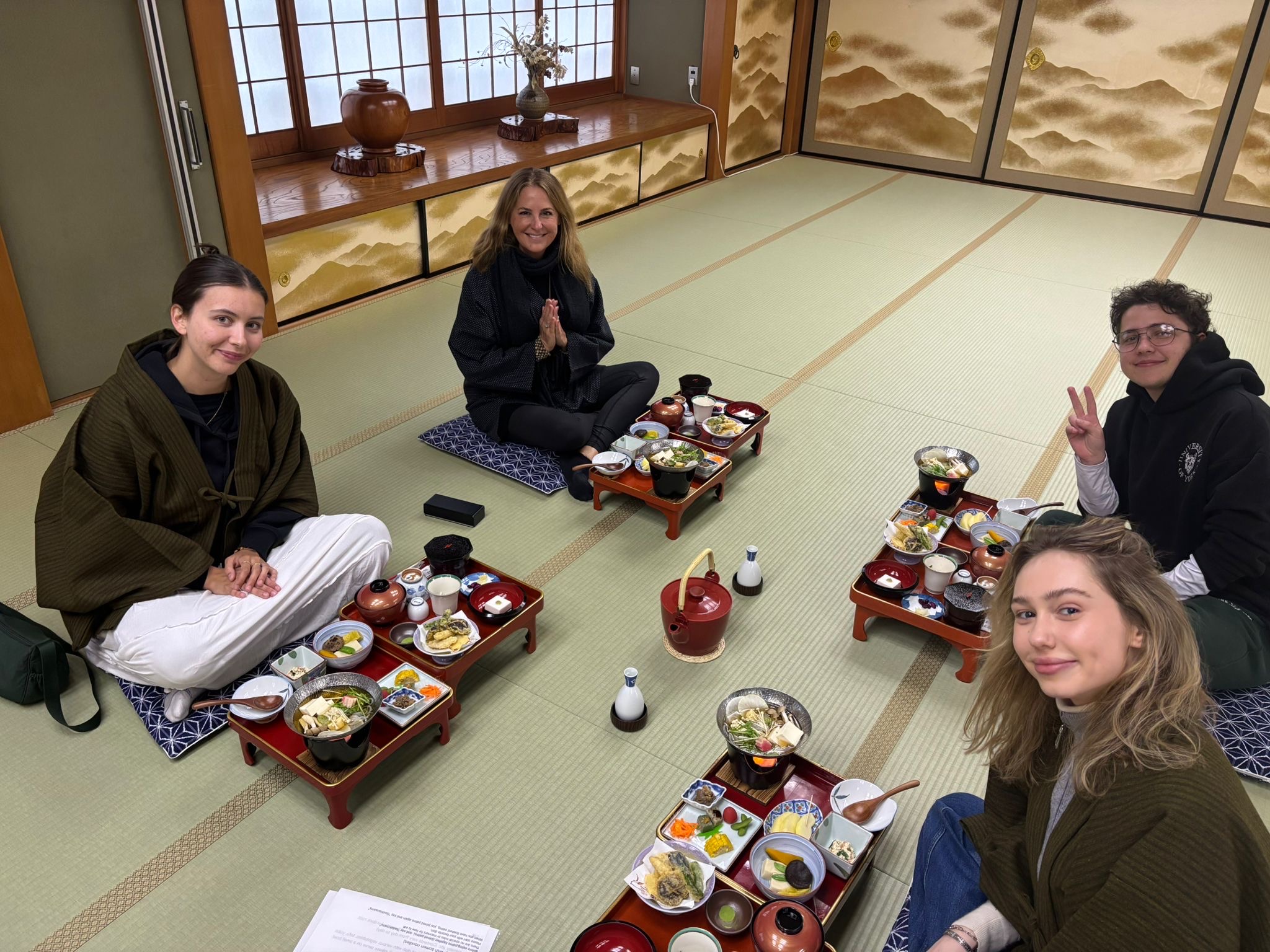
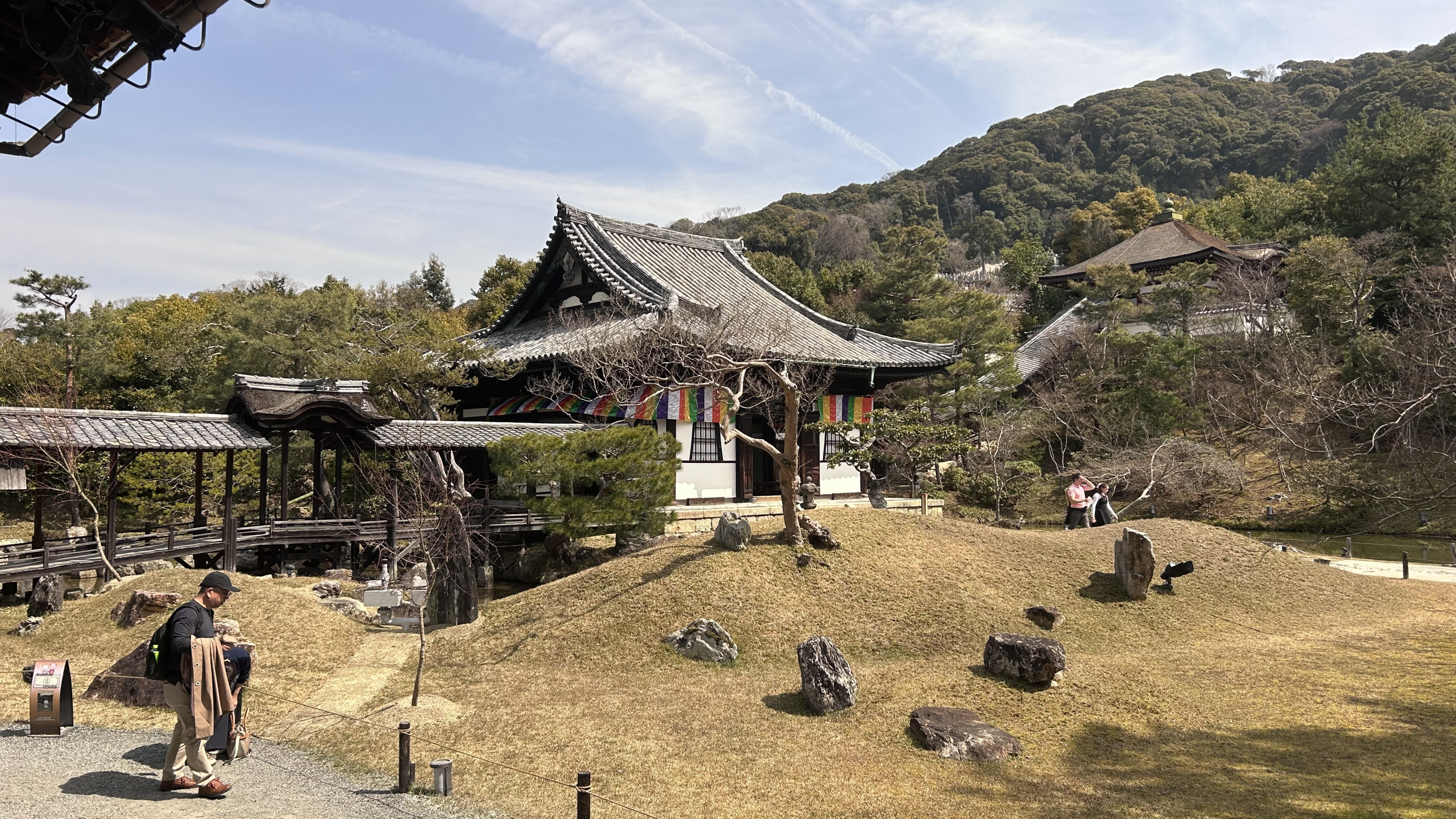
Once we were back in Kyoto, we visited sites such as Ryōzen Kannon, a modern yet deeply evocative monument dedicated to war victims with a combination of styles from Christian church windows to Tibetan prayer wheels, before concluding our group itinerary with a quiet visit to Seiryō-ji. This lesser-known temple, with its serene atmosphere, offered a reflective end to the study trip. A shared farewell lunch provided an opportunity to consolidate our experiences as a group.
Following Japan, our cohort dispersed in different directions: I returned to London, while others continued on to destinations including Vietnam and Korea. The trip as a whole deepened our academic understanding of Buddhist art and conservation, but also emphasised the importance of context, ritual, and lived experience in shaping the meaning of these works beyond being material artifacts within a museum.