By Audrey Markel
Audrey Markel is a London-based contemporary art writer and researcher who works between the intersection of craft practices, ecologies, and the Global South. Since graduating from the Courtauld Institute in 2025 where she studied MA in History of Art and specialised in American Art in the Age of Ecology, she has developed a practice that follows art as it travels across geographies and disciplines, centering on how decolonial thought and contemporary art can reshape our understanding of landscape and visibility. Currently working as a contributor to Not The Owners and FEMINIST, her research strives to foster spaces for thinkers and makers whose work operates outside of traditional structures.
Before starting the MA History of Art Special Option American Art in the Age of Ecology in the autumn of 2024, I was intrigued by the prospect of a course co-led by two scholars with such distinct expertise. Dr Lucy Bradnock, a specialist in American countercultures and West Coast histories, and Dr Johanna Gosse, an expert in lens and time-based media, created a collaborative heartbeat for the course that was truly electric.
The course was built on the premise that the climate crisis is also a crisis of culture. We moved far beyond the category of eco-art to rethink the art history of the Americas through the lenses of wilderness politics, nuclear frontiers, and extractive economies. Our seminars in Vernon Square were deeply engaging, and Lucy and Johanna’s collaborative leadership made the space feel supportive and intellectually expansive.
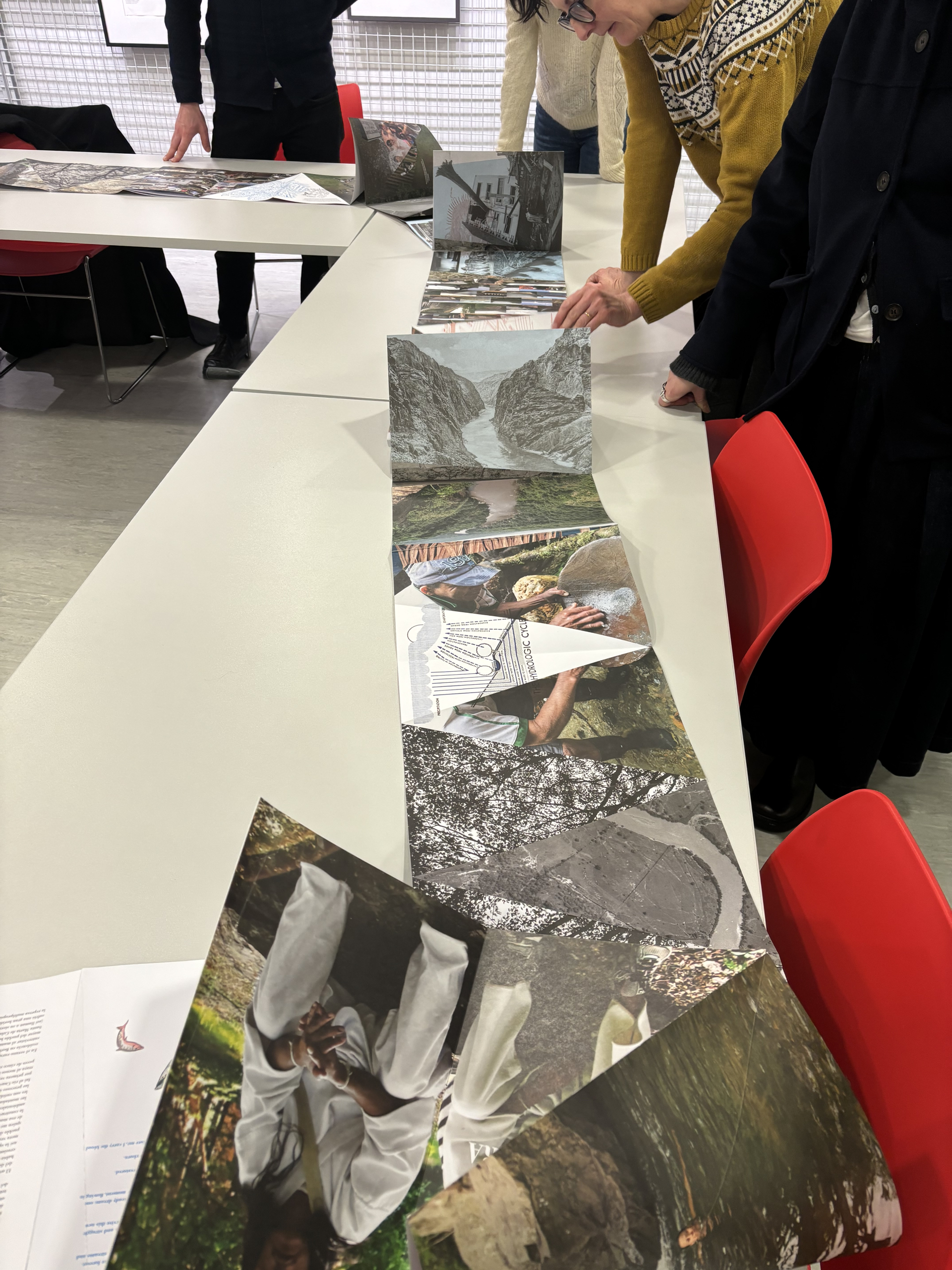
The program’s commitment to first-hand looking was evident in our frequent off-site visits. A standout was our trip to ESCALA (the Essex Collection of Art from Latin America). We spent time engaging with the archive, including Carolina Caycedo’s Serpent River Book, a breathtaking accordion-fold book that traces the bio-cultural diversity of rivers, and viewed an exhibition by artist Bryan Giuseppi Rodriguez Cambana.
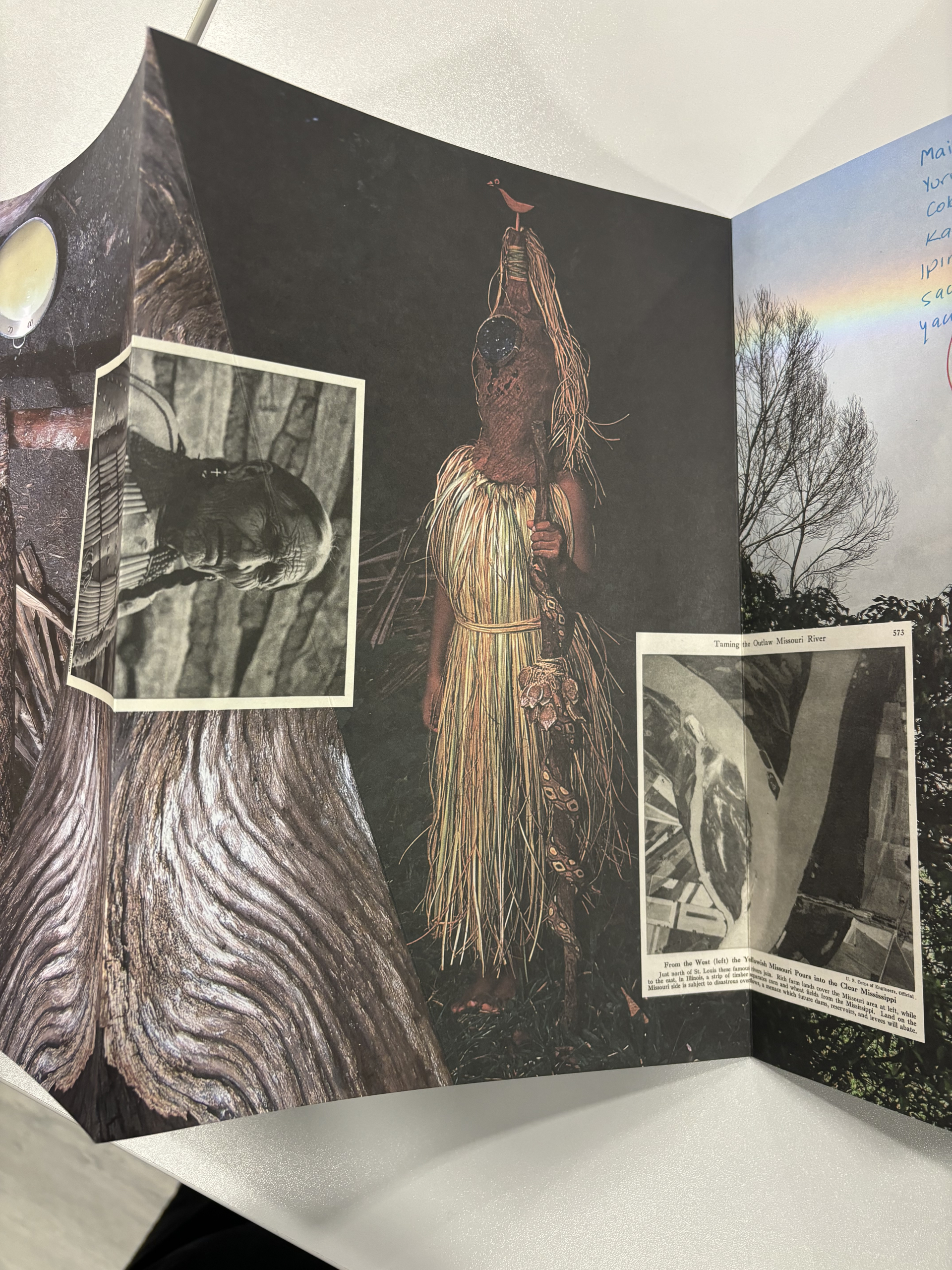
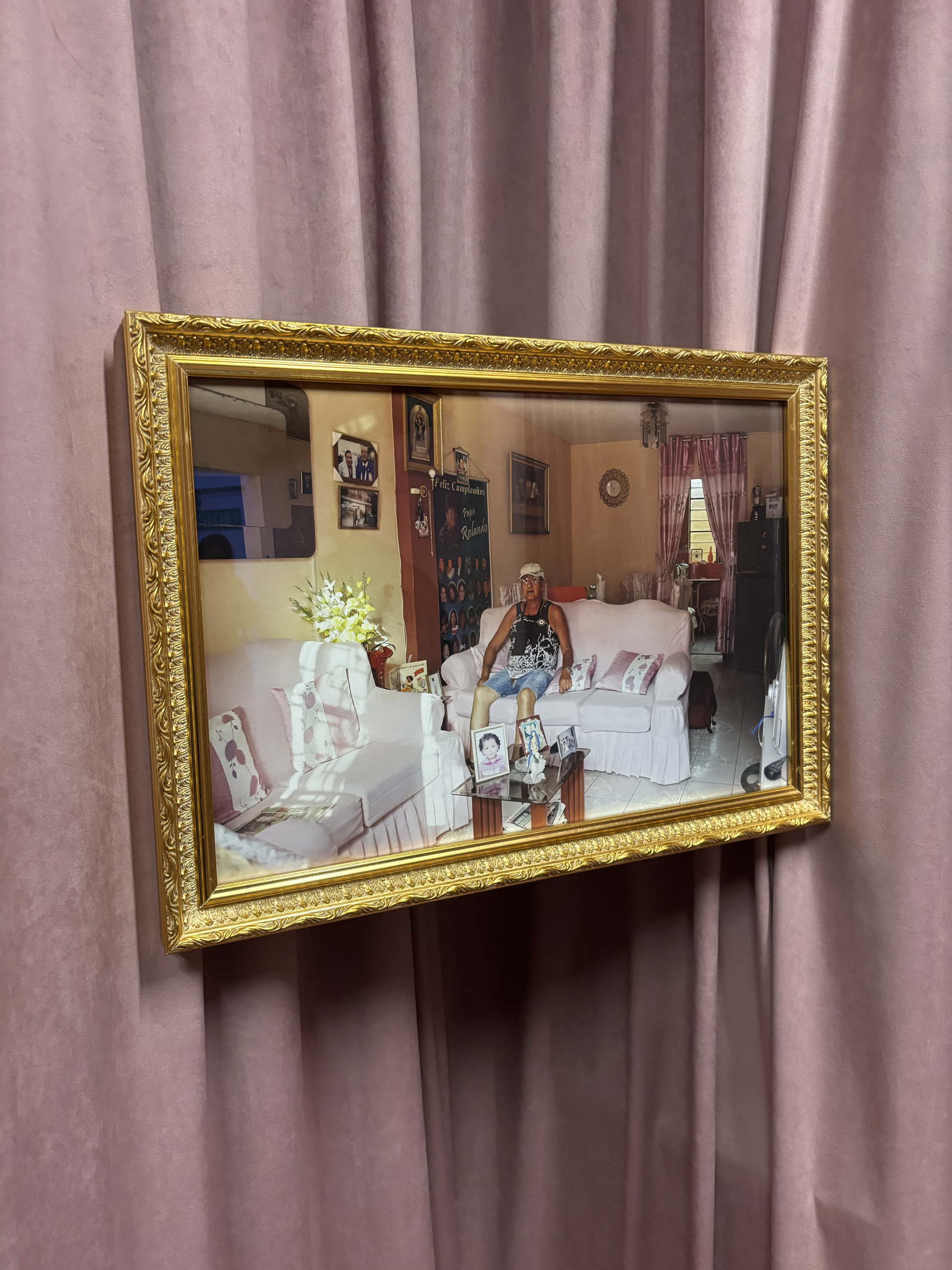
For a student like myself, whose research focused on the Global South, seeing these contemporary Latinx voices prioritized in the curriculum was deeply validating.
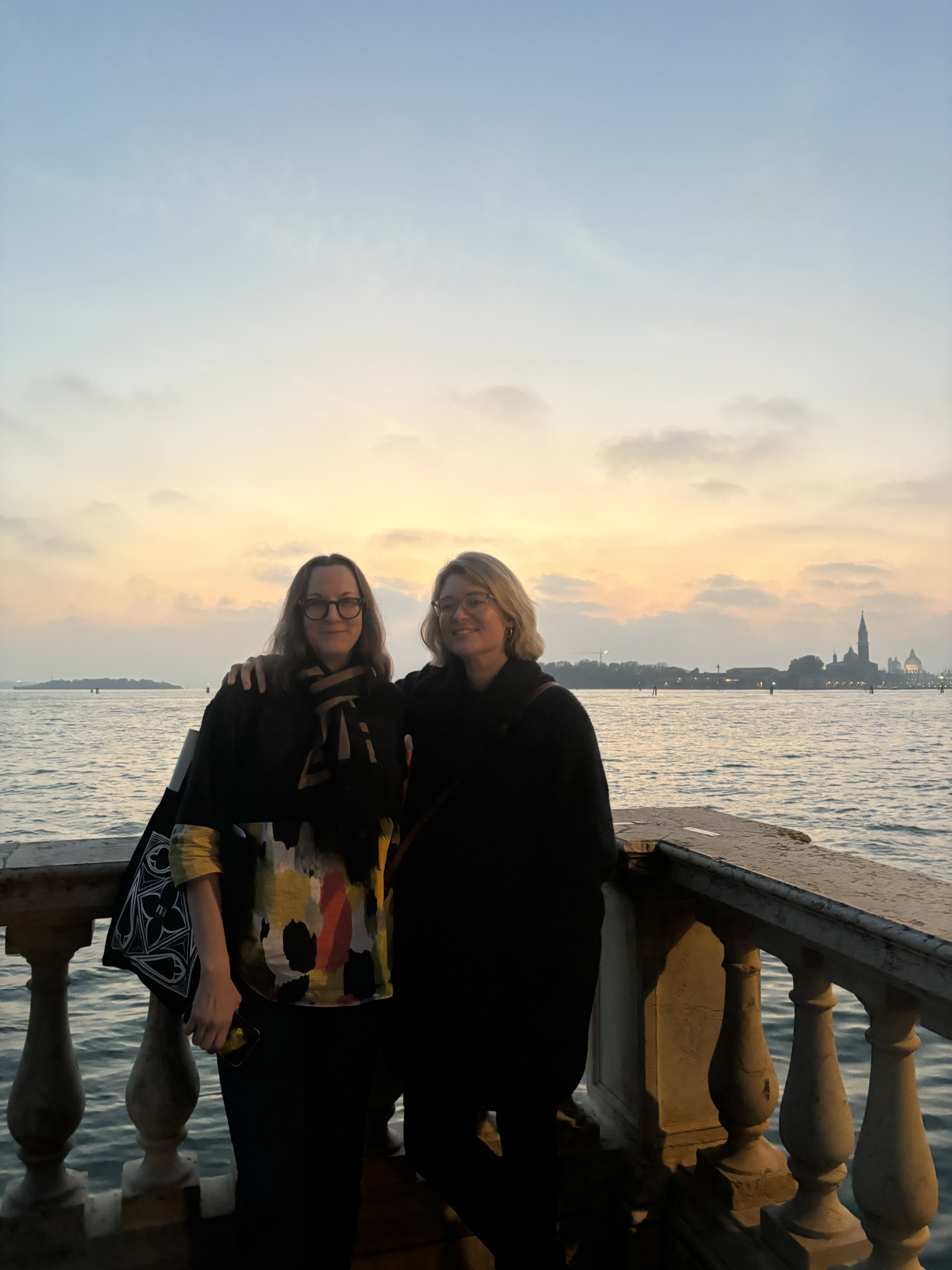
The undisputed highlight was our study trip to the 60th Venice Biennale, curated by Adriano Pedrosa under the theme Foreigners Everywhere (Stranieri Ovunque). The Biennale’s focus on indigenous, queer, and folk histories aligned closely with much of our coursework.
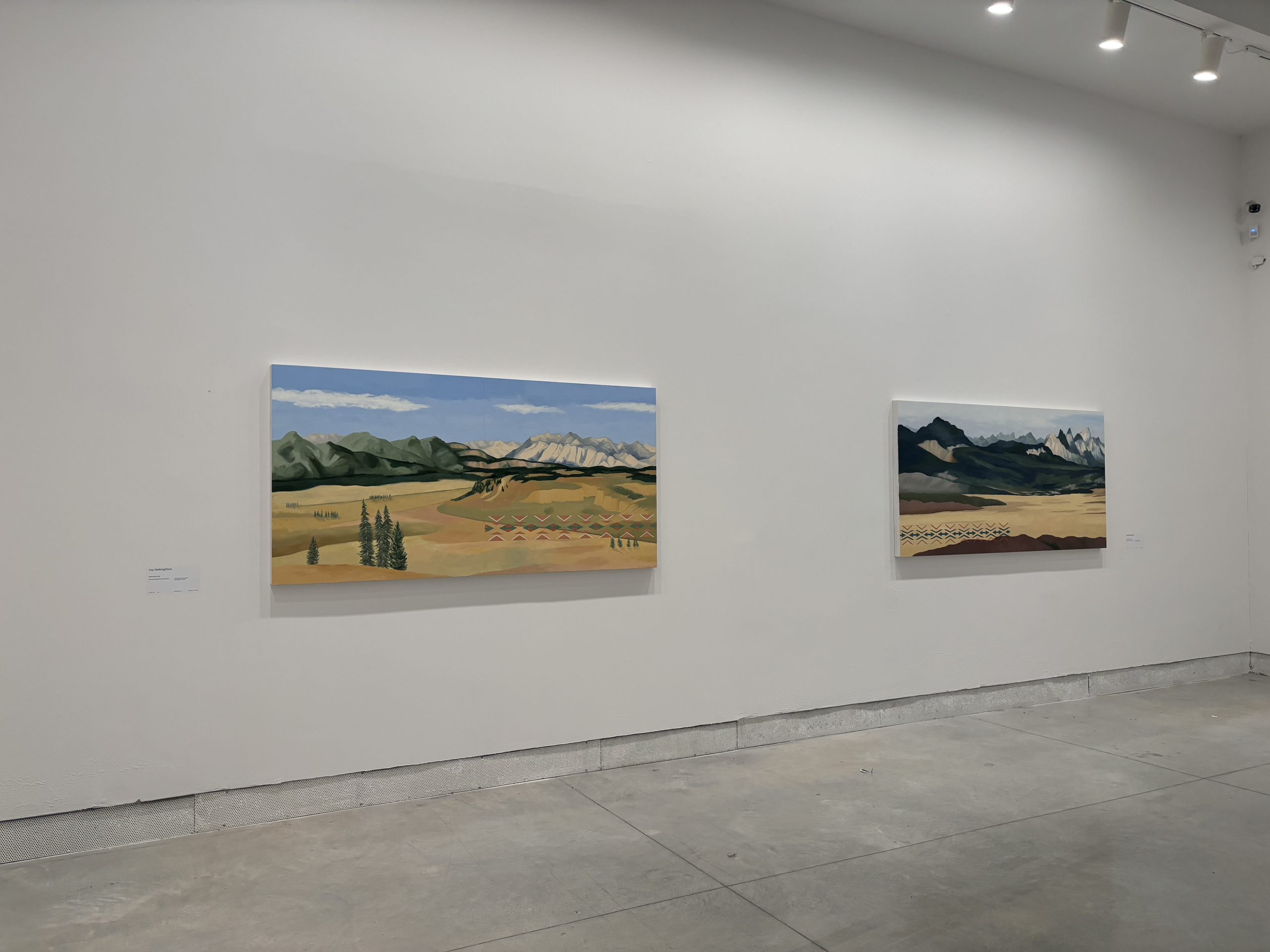
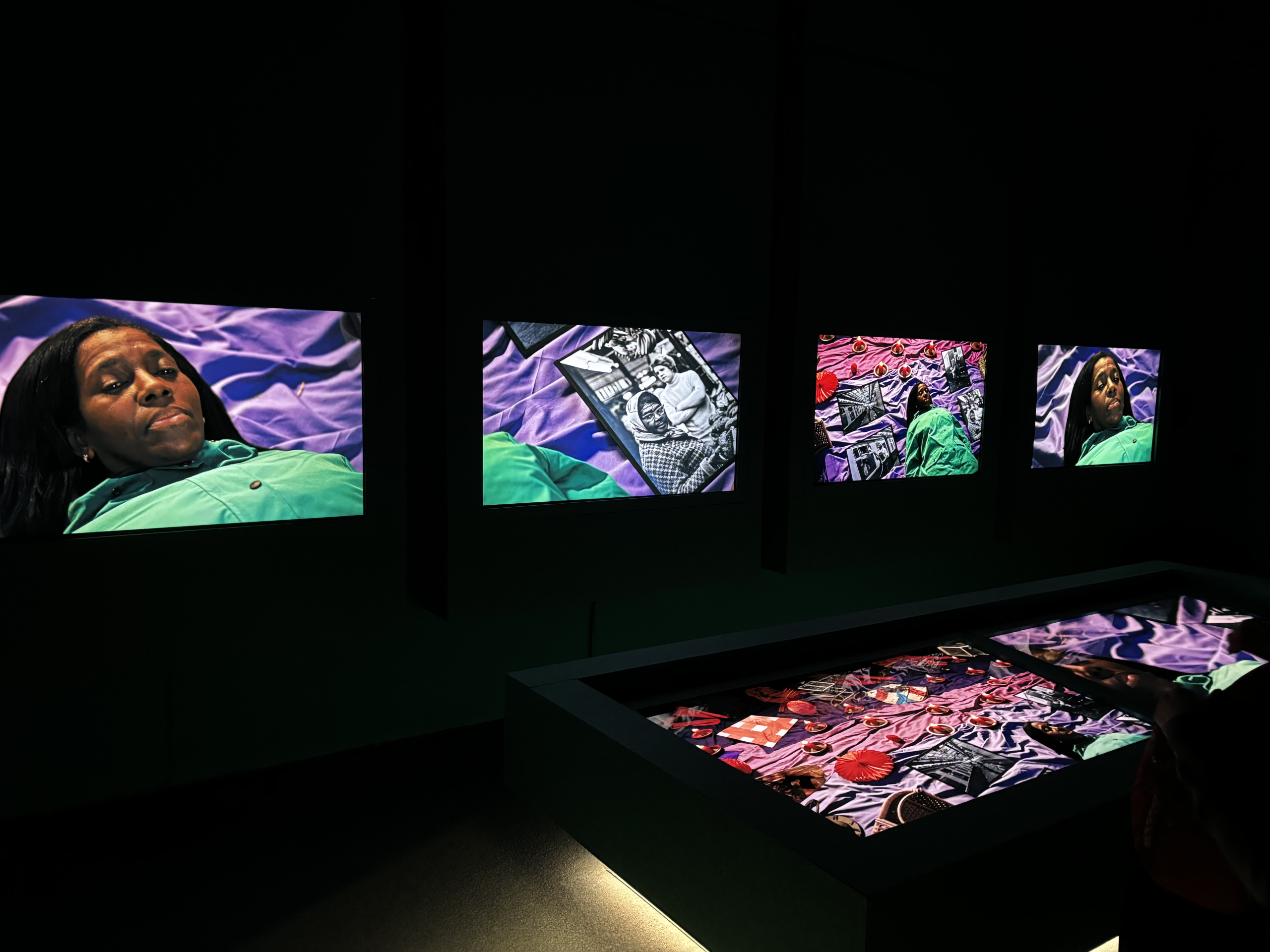
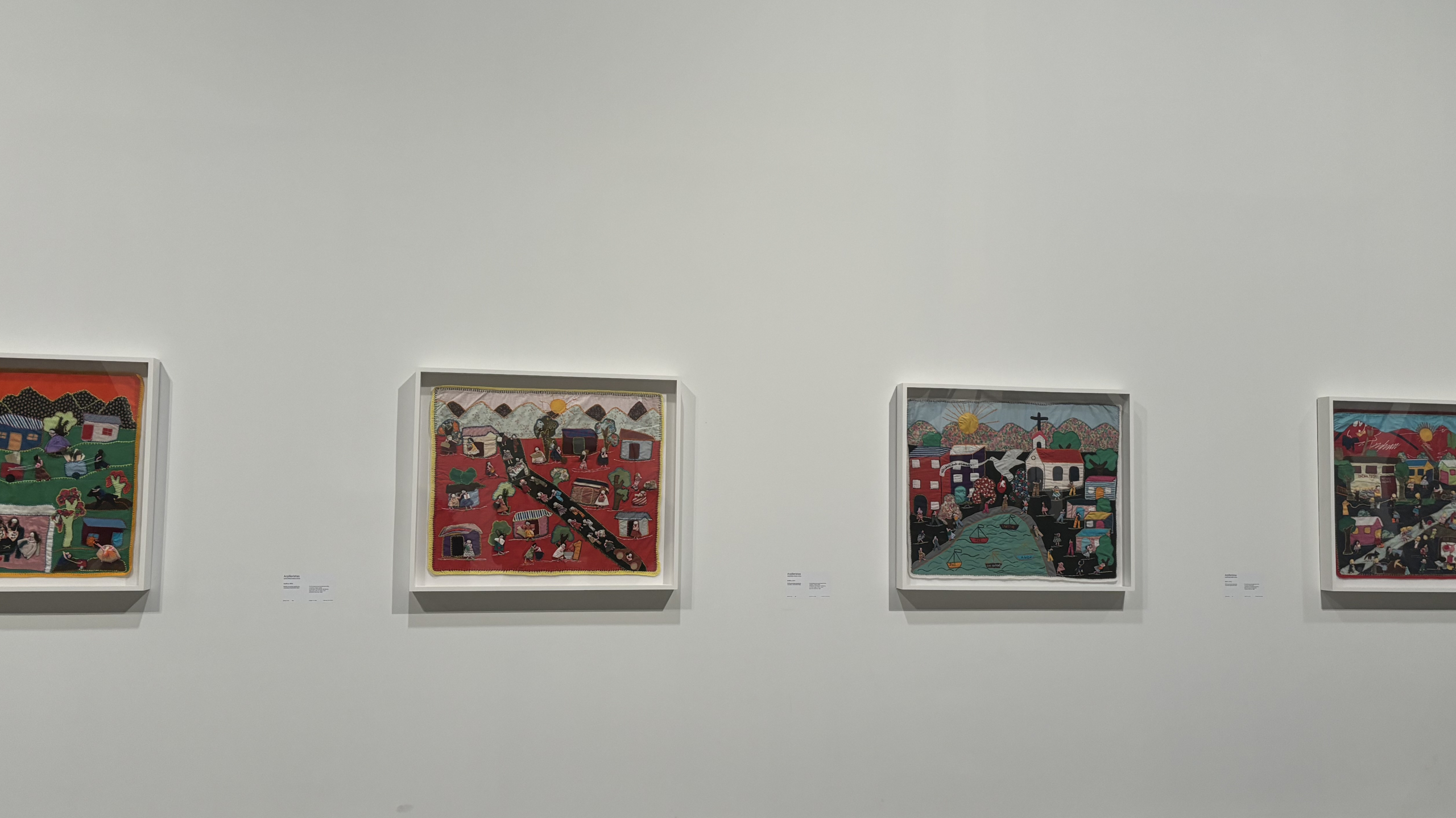
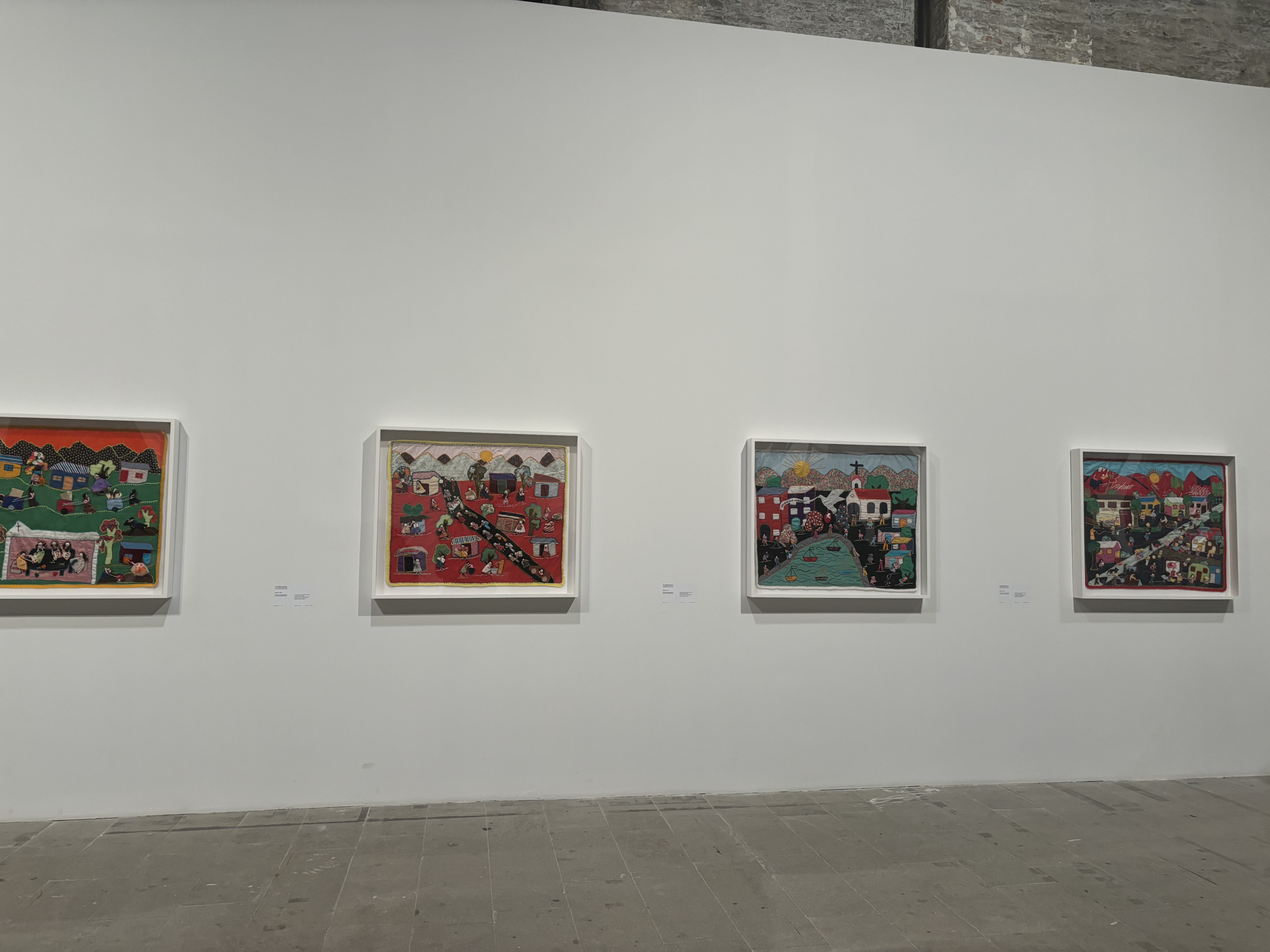
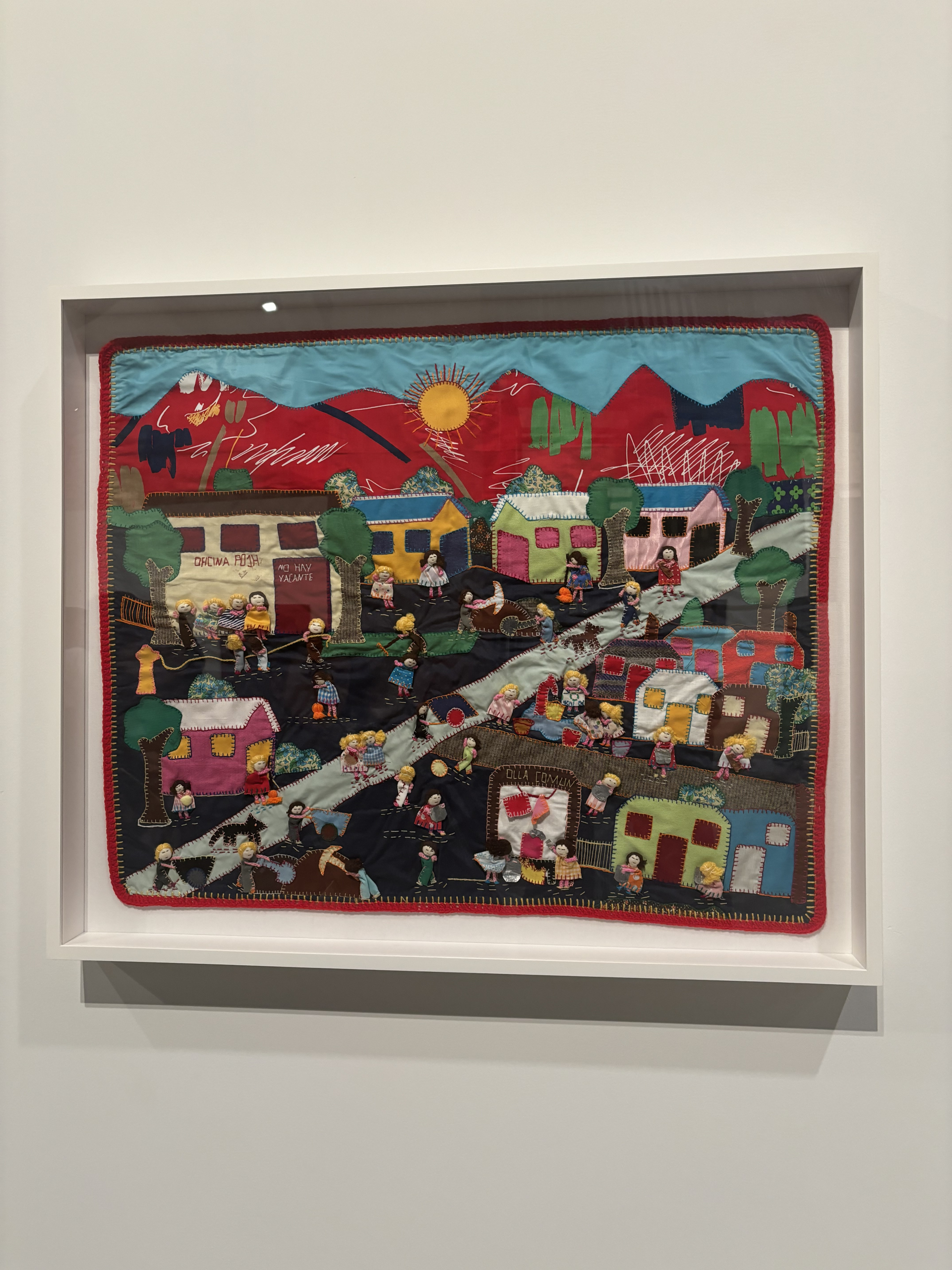
While wandering through the Nucleo Storico (Historical Nucleus) in the Central Pavilion, I stumbled upon a display of Chilean arpilleras—the very textile works of resistance I had focused on for my undergraduate dissertation. I was overwhelmed with emotion as I hadn’t realized they would be part of the exhibition.
Johanna found me in that moment and, recognizing the personal significance of the works, immediately invited Lucy and members of our cohort over, and encouraged me to share my knowledge of the arpilleras’ history with the group. In that gesture, I felt genuine support and uplift from my tutors who I already deeply admired.
To this day, I consider Lucy and Johanna not just previous tutors, but lifelong mentors. This course didn’t just change my understanding of ecologies in art, but changed my understanding of how research can be both academically rigorous and profoundly empathetic. For anyone looking to challenge the boundaries of art history, this MA and its leadership is a truly transformative home.