By Dr Naomi Luxford, Programme Lead for MA Preventive Conservation
Preventive conservation focuses on caring for collections by limiting the impact of different hazards around them. Whilst the aim of a museum, gallery or archive is to preserve artworks in perpetuity, the reality is materials are deteriorating all the time. Deterioration can arise from sudden events, for example disasters, or vandalism, through to more slow hazards, like dust. Conservators who treat objects often make recommendations for the object’s future care after treatment. However, preventive conservators focus on whole collections, often prioritising changes based on risk.
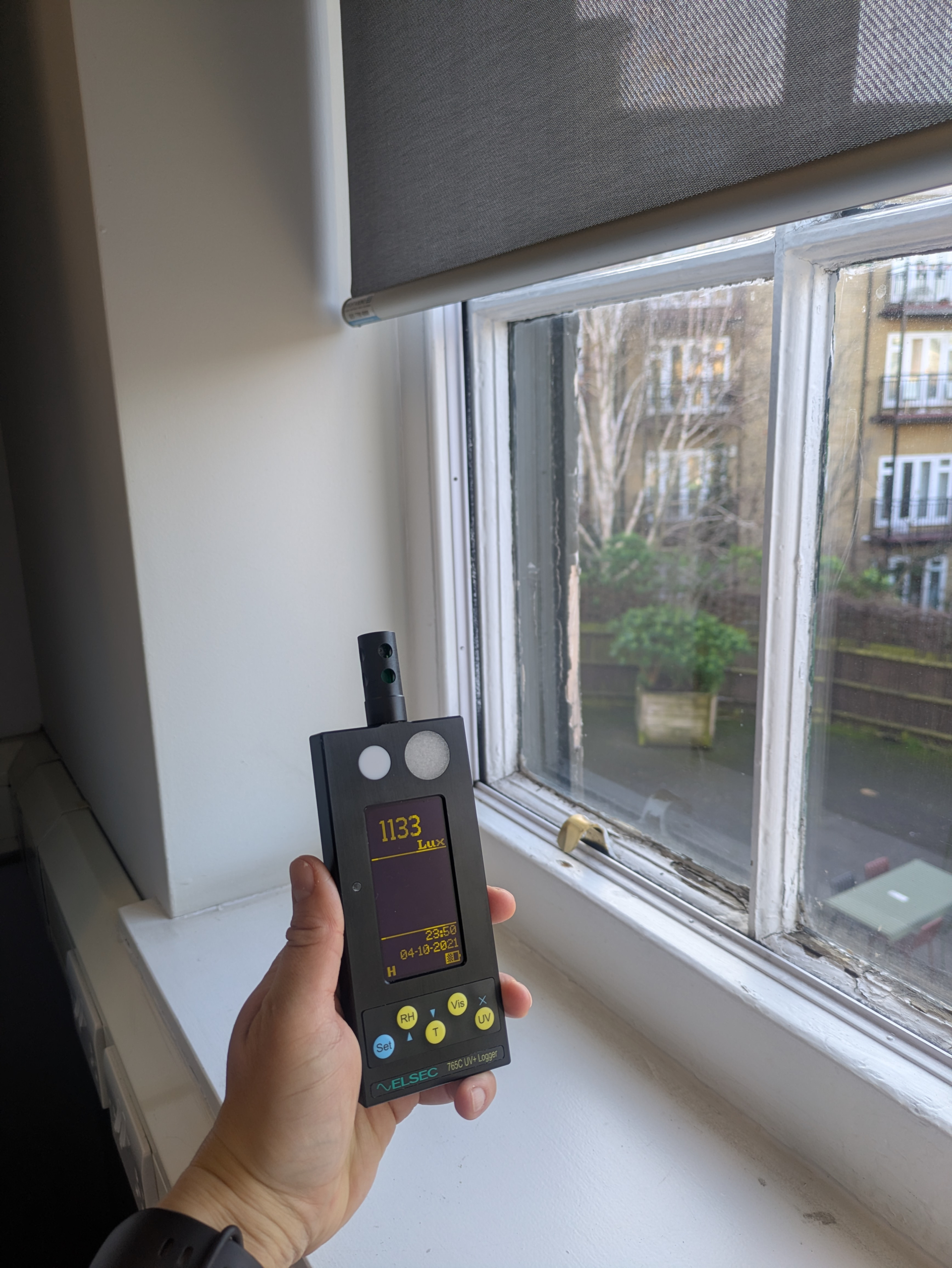
Preventive conservation regularly refers to ten agents of deterioration, also known as hazards. These are physical forces (e.g. earthquakes); thieves and vandals; fire; water; pests; pollutants; light, ultraviolet (UV) and infrared; incorrect temperature; incorrect relative humidity (RH); and dissociation. Relative humidity, usually referred to as RH, is a measure of the amount of moisture in the air, at a given temperature. The relationship between temperature and RH is important and often impacts how RH can be controlled, especially in historic houses, where conservation heating might be used. Conservation heating increases temperatures on damp days, and reduces it on dry ones, to help maintain RH levels. This is because many materials are moisture sensitive, think of a wooden door swelling and sticking in the damp.
Preventive conservators have an overview of all of these hazards, and how they impact the collections in their care. However, they also work with many other teams, for example interventive conservators (who carry out treatments), curators, collections managers, estates, front of house, events or hospitality, filming, architects, engineers, as well as volunteers, to deliver their work. Common tasks for a preventive conservator might include:
- condition checking objects
- packing objects for storage or a move
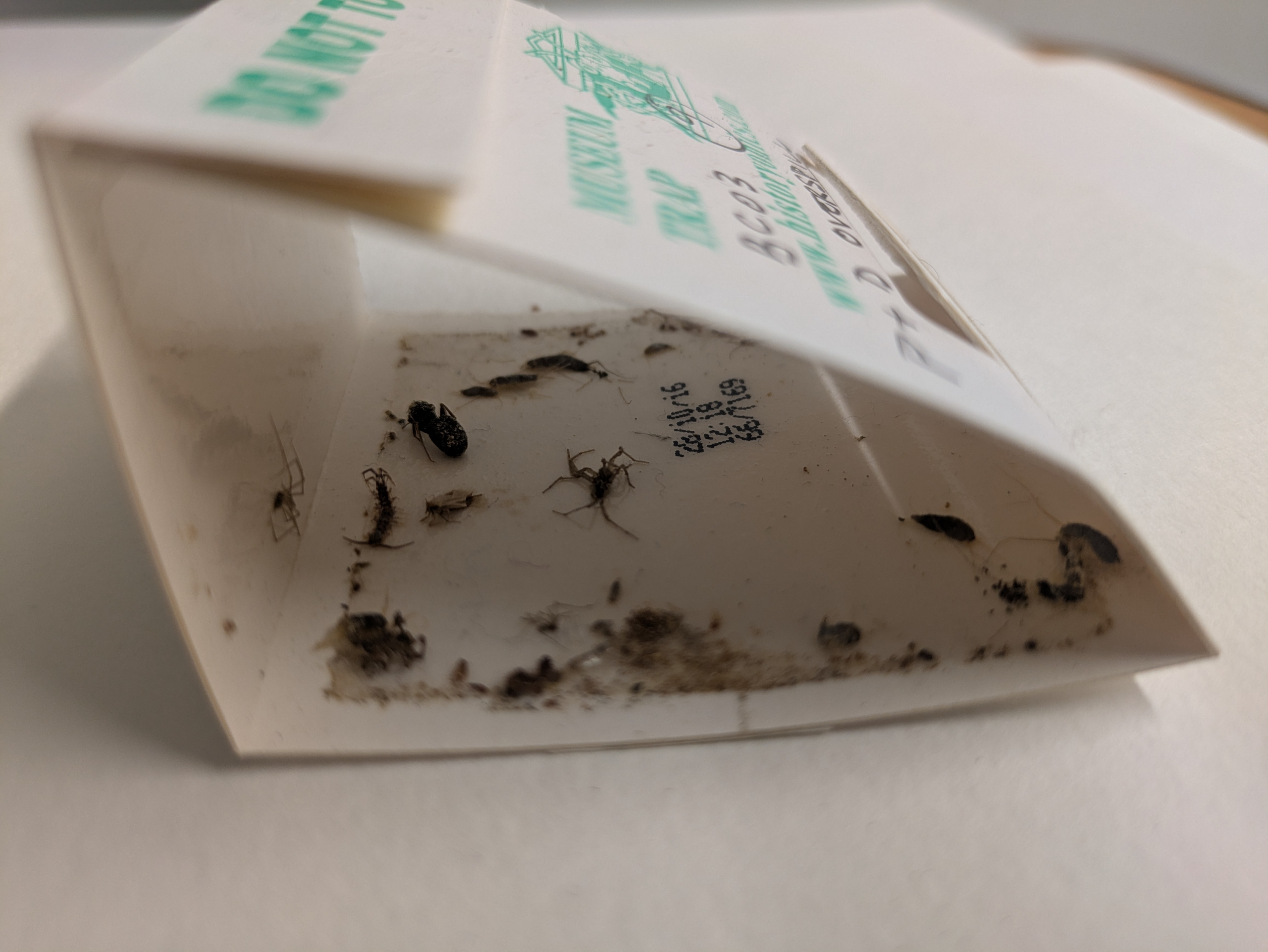
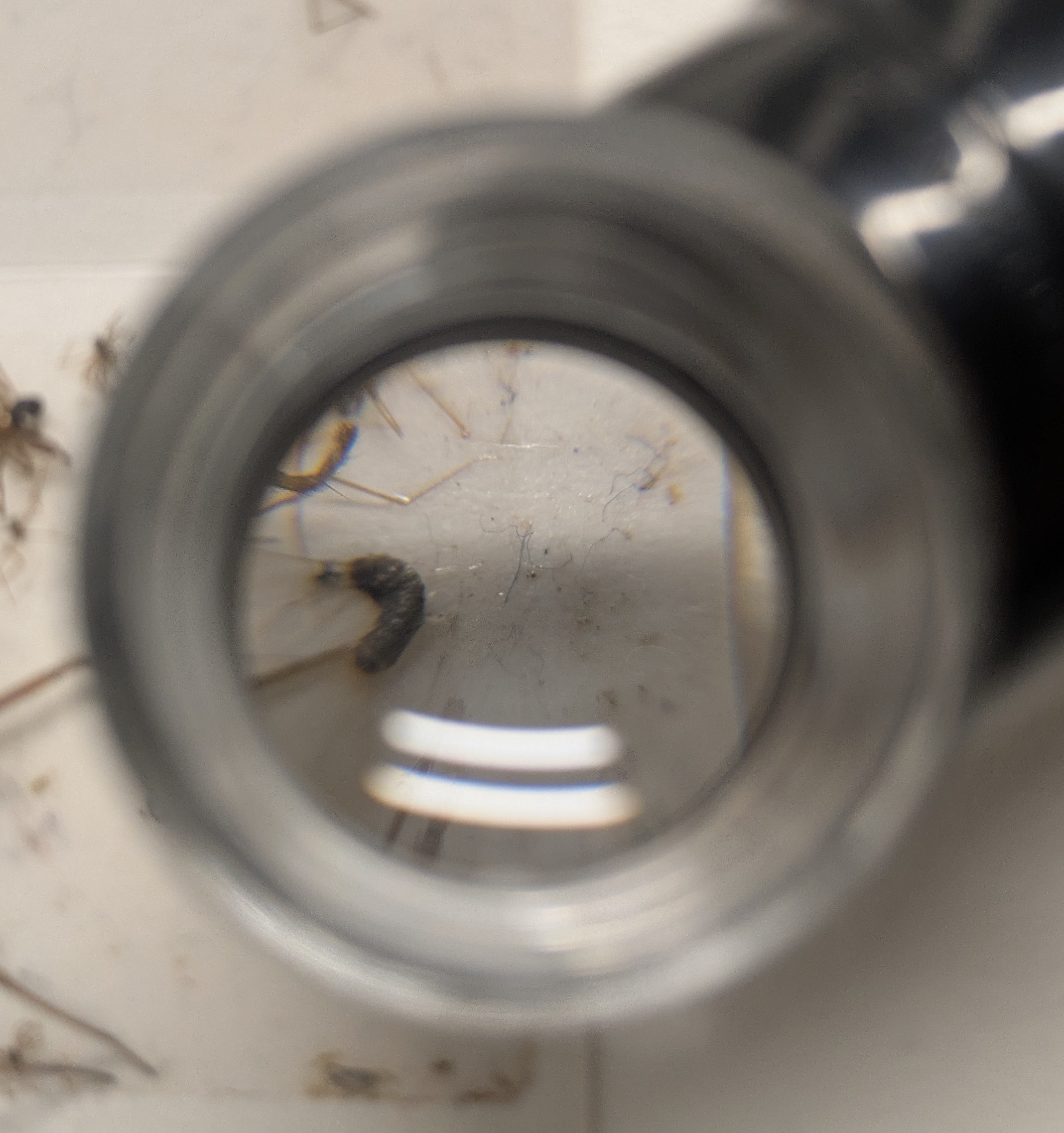
- managing insect pests (that can eat collections)
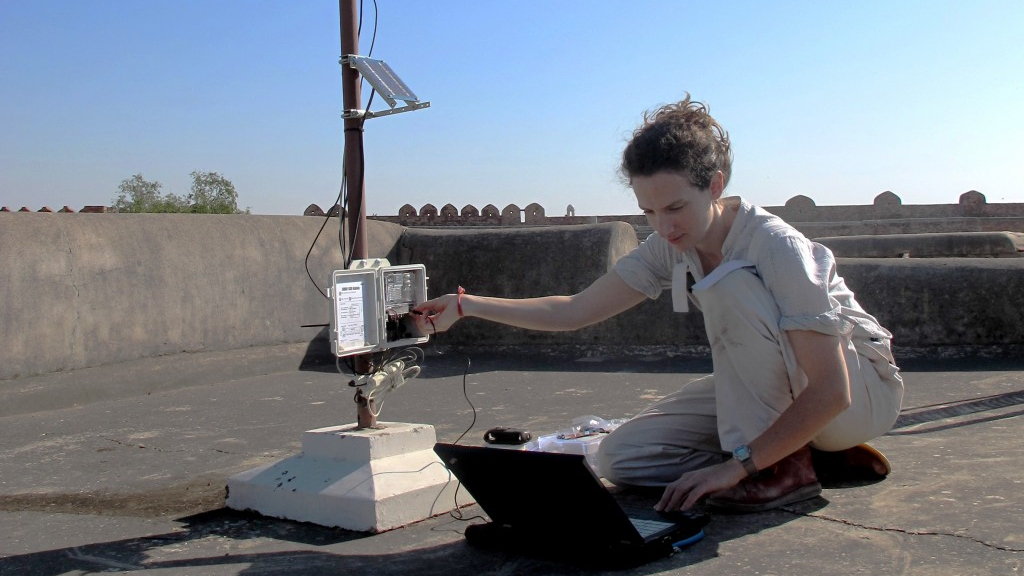
- monitoring environmental conditions (especially temperature, RH, light and UV, but can be dust and pollutant levels), which can lead to work on how to control, or better manage the environment
- surface cleaning objects
- advising on exhibition methods (including mounts and display cases)
- protecting objects, or buildings, during events, filming, or building works
- advising on ways to reduce the risk of disasters, or what materials might be needed for salvage, should a disaster occur.
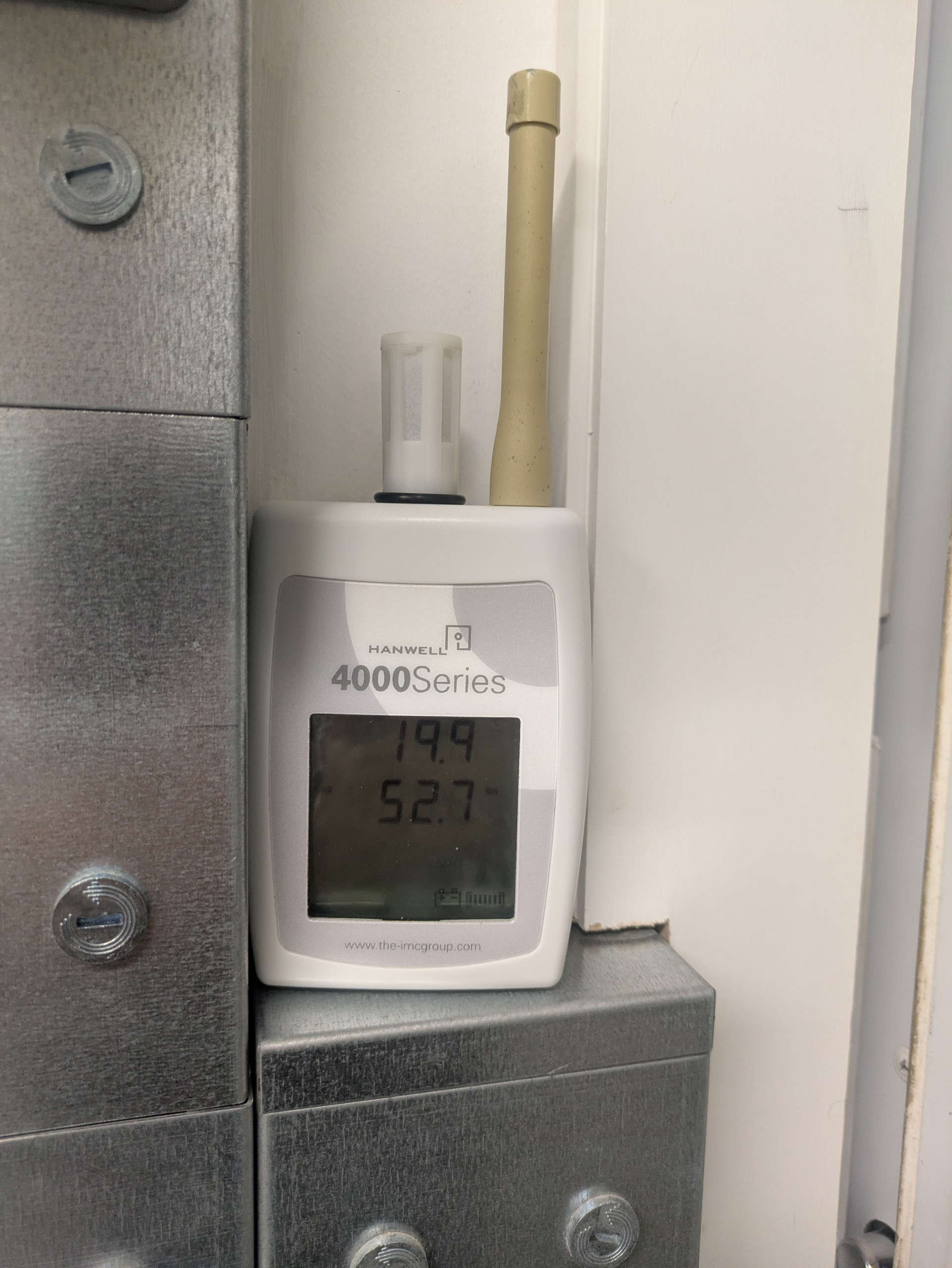
Because collections can be made up of almost any material, preventive conservators need to understand these materials, and how they deteriorate, to care for them. This means preventive conservators have a good scientific understanding of materials, as well as being able to identify and record any changes that may have happened. As a result, preventive conservation is a broad field spanning hands-on work with collections, working with others, environmental monitoring and control, data collection and management, and science. These collections may be fine art, archives, archaeology, or anything else that has been collected, so the range of materials is wide. It is important preventive conservators also understand the impact of their actions on a collection, and can explain their decision making. As a result, training also includes understanding the principles, theory and ethics of conservation.
So next time you visit an exhibition, or heritage site, look round and see if you can spot any insect traps, or sensors monitoring environmental conditions. A little glimpse of the behind-the-scenes work that goes into preserving collections for you to see now and in the future.
If you’re interested in learning more about preventive conservation, join our Virtual Open Day on Thursday 19 March, 14:00 – 15:00 GMT. You can apply now to study MA Preventive Conservation at the Courtauld Institute.