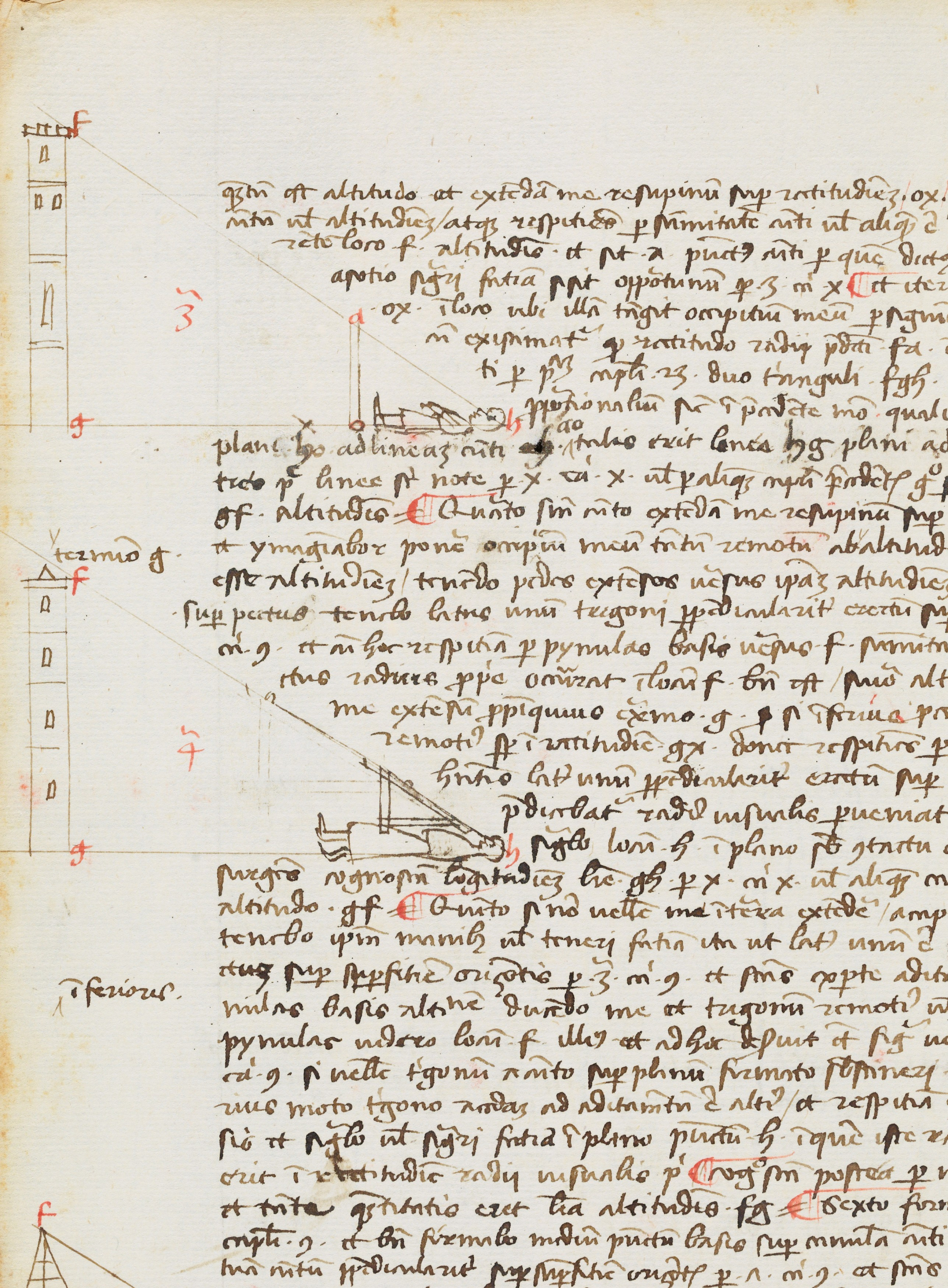
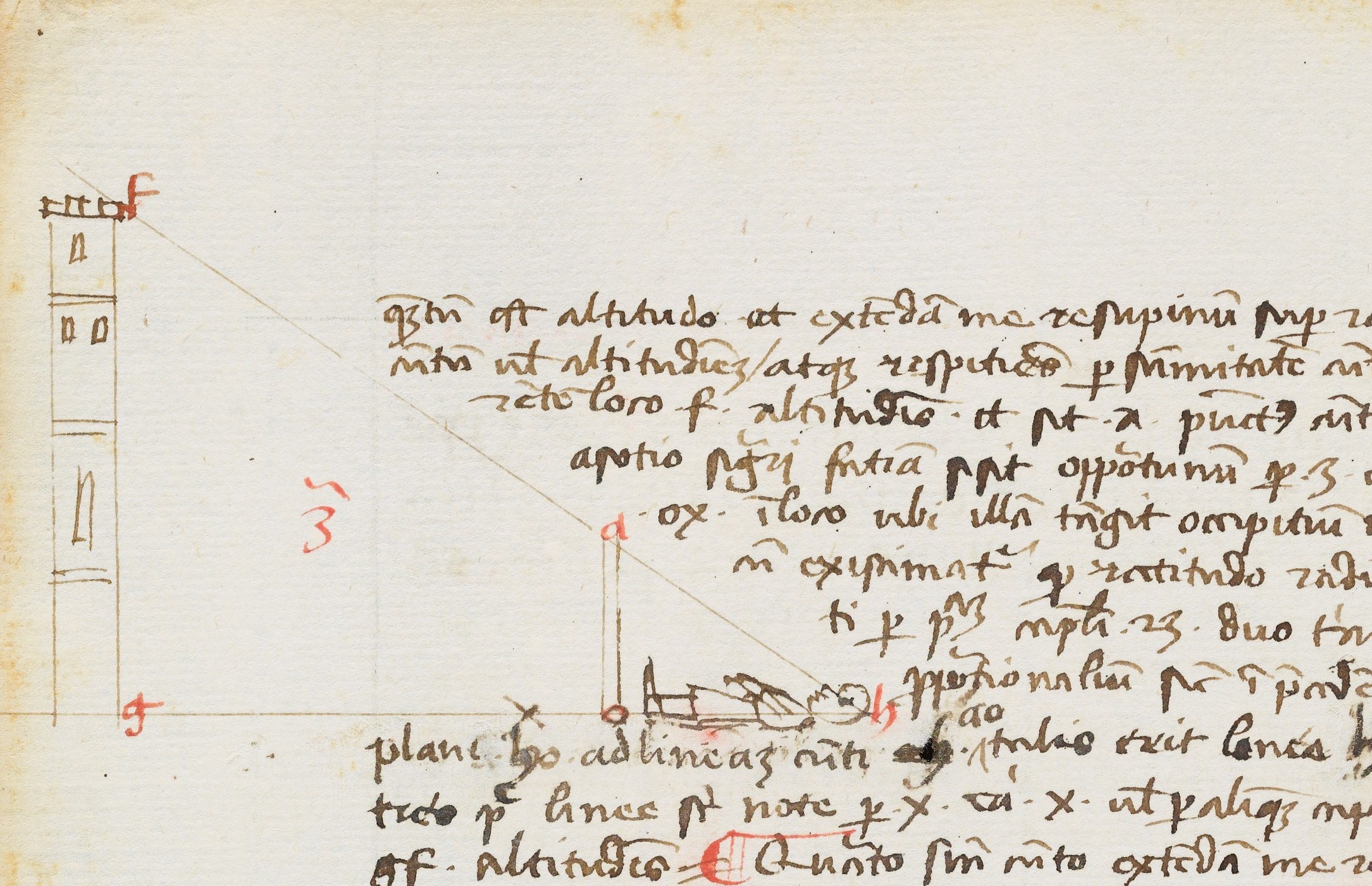
Required to inhabit the same interiors day after day, year after year, medieval monastic and clerical communities developed ingenious ways of measuring the passage of time by tracking how sunlight and stars moved across built surfaces. Sunbeams slid across walls and pavements by day; stars aligned with rooflines and towers by night. Their timekeeping techniques depended on the precise coordination of three things: the moving heavens, the fixed fabric of architecture, and the observing body positioned in the right place at the right moment.
Some of these alignments were discovered empirically, as monks learned through habit where to stand inside a church, which window to watch, or which architectural feature to use as a sighting mark. Others were anticipated in architectural design itself, so that light would fall on specific surfaces or objects at particular hours and seasons. What do surviving buildings reveal of these fleeting visual and temporal experiences? Drawing on evidence from late medieval Italian churches, this talk examines how practices of time measurement shaped architectural and artistic decisions, highlighting shared ways of seeing time across Europe and beyond.
Organised by Dr Jessica Barker, Senior Lecturer in Medieval Art History at the Courtauld Institute, as part of the Medieval Work-in-Progress Series. This series is generously supported by Sam Fogg.
Speaker:
Giosuè Fabiano is Postdoctoral Assistant in Medieval Art at the Institute of Art History, University of Vienna. He received his PhD from the Courtauld Institute of Art, following an MA from the Warburg Institute and a BA from Sapienza University of Rome. His publications explore the intersections of artisanal, scientific, and religious knowledge, including the relationships between optics (perspectiva) and architecture in Florence, as well as the fabrication, destruction, and reuse of gilt metalwork altarpieces in Venice. His current book project, based on his doctoral dissertation, examines how solar time shaped the experience of religious paintings and sculptures across the Italian peninsula.
Dr Fabiano’s research has been supported by fellowships at the Bibliotheca Hertziana – Max Planck Institute for Art History in Rome, the University of Hamburg, the Nederlands Interuniversitair Kunsthistorisch Instituut in Florence, and Bocconi University, Milan.