By Akya Gürtan
MA Art and Business student
This autumn term, I completed Collections in the Times of Crisis, a module taught by Dr. Tom Stammers as part of the MA Art and Business at the Courtauld Institute. Looking back, it was one of the most enlightening parts of the programme for me with the weekly field visits. Each week we visited a different collection in London which allowed us to think beyond the works of art, but also how the collections came to exist, what kinds of power shaped it and the ethical questions it raises today.
The course focused on the history of collecting from 1790 to 1950, a period that went through war, revolution, forced migration, and political upheaval shaped the formation, dispersal, and survival of collections. We didn’t view colonialism, nationalism, imperialism, racism, sexism, and class as background context. Instead, we analyzed them as forces embedded in the very structure of collecting itself. We confronted the reality that many collections are rooted in dispossession and coercion.
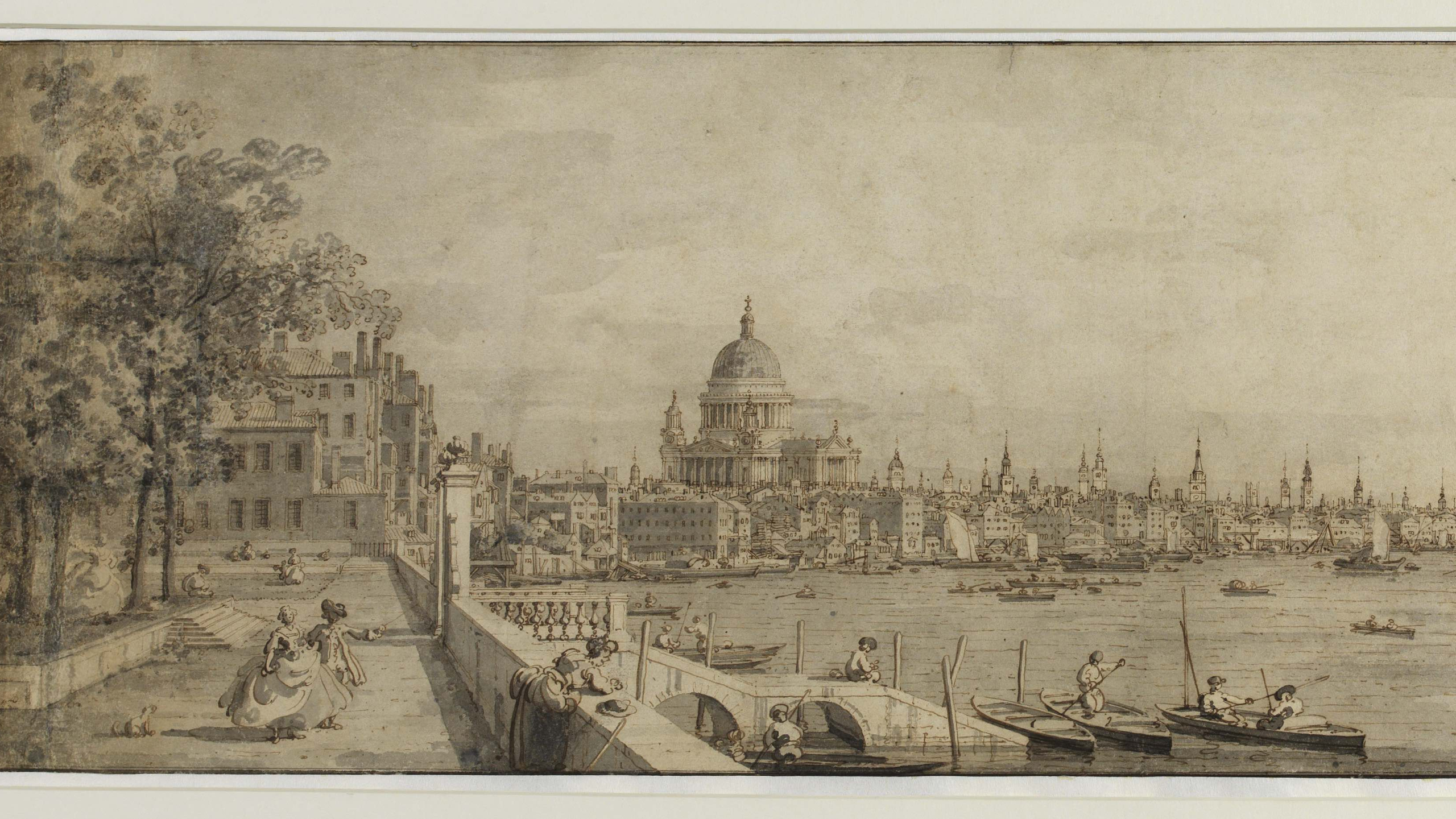
We began the course at Dulwich Picture Gallery, Britain’s first purpose-built public gallery. The dealers Noël Desenfans and Francis Bourgeois assembled a collection originally intended for the Polish king Stanisław Poniatowski in the late eighteenth century. The collapse of the Polish state and the King’s deposition following the French Revolution left the collection without a destination, and it was eventually bequeathed to Dulwich by the dealers.
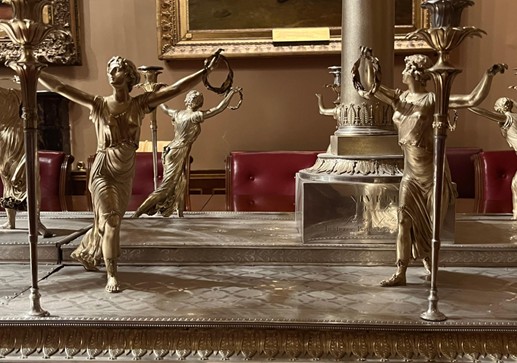
At Apsley House, we saw how the Duke of Wellington’s collection was inseparable from his role as a diplomat and military commander. Works entered the Wellington Collection through military victory, diplomatic gifts and post-war redistribution of cultural property — especially from Spanish royal collections after Napoleon’s defeat. They were framed as diplomatic gestures of gratitude, but this only became possible because war had disrupted existing systems of ownership. We also discussed Quatremère de Quincy, one of the earliest critics of wartime art seizure, who argued that artworks lose meaning when they are removed from their original cultural, and historical contexts.
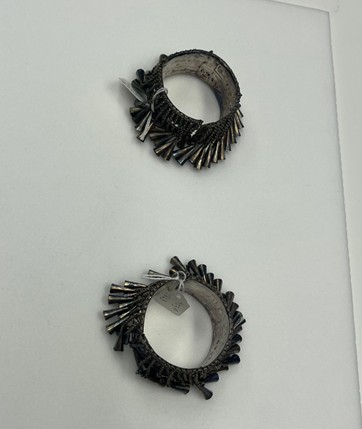
Our visit to the National Army Museum focused on how objects looted from the Old Summer Palace (Yuanmingyuan) in Beijing entered the Western art market after its destruction by British and French forces in 1860 during the Second Opium War. Soldiers and officers took thousands of objects including porcelain, bronzes, jade, textiles, clocks as trophies and souvenirs which later circulated through private collections, museums, and auction houses in London and Paris. Objects that once held imperial, and ritual significance in China were reclassified in Europe as curiosities, decorative works, or “Asian art,” and assigned new aesthetic and monetary value. This remains deeply sensitive in China today as a symbol of cultural loss and foreign domination.
At the National Gallery, we looked at a different kind of crisis: the Italian Risorgimento. The secularization of the Church property and the breakup of aristocratic collections made the Renaissance paintings available. Sir Charles Eastlake, Director of the National Gallery from 1855, used connoisseurship, travel, and networks of agents, dealers, and scholars to compete for artworks and build the collection. Through the Gallery’s archives of travel diaries, correspondence, and financial records; we saw how collecting functioned as a strategic and political practice to bolster British national prestige.
The V&A introduced us to African “trophies of war” from British expeditions to Maqdala (Ethiopia, 1868), Kumasi (Asante, 1874), and Benin (Benin City, 1899). The objects were taken in acts of military violence entered the European market. These histories still shape the contemporary restitution debates about the power relations within imperial collecting practices.
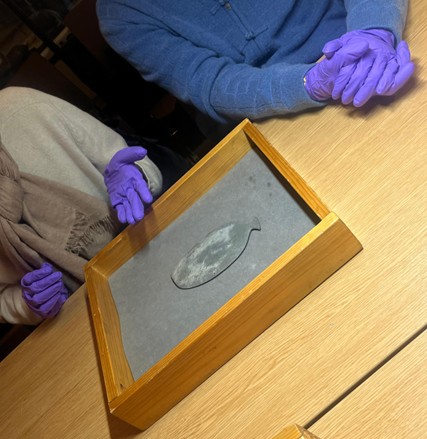
Similarly, at The Petrie Museum at UCL, we learned about Egyptology, the antiquities market, archaeology and colonial powers. Excavation and extraction often overlapped, creating both legal and illicit pathways for objects from Egypt and Sudan to enter European collections under unequal colonial agreements and weak regulation. The session highlighted the difficulty of controlling this trade and the lasting consequences.
Perhaps, one of the most sobering sessions was at the Wiener Library, where we discussed ‘The Great Dispossession’, the systematic looting of Jewish property across Europe by the Nazi regime. Looting art was a central target because it was valuable, portable and symbolically powerful. After 1945, many looted works entered public museums through purchase or donations, while provenance records were incomplete or deliberately obscured, and restitution was slow or uneven. The archive made visible not only the scale of theft, but also the actors facilitating them such as dealers and institutions. The Library’s commitment to preservation and supporting restitution shows how archives can actively contribute to historical justice meanwhile the histories are still unresolved.
The course concluded by turning the lens back on the Courtauld. We reflected how the collection was shaped by twentieth-century crises, including significant benefactors like Count Antoine Seilern. He was an Austrian aristocrat and scholar who was forced to leave Vienna when the Nazis began looting Jewish collections. Seilern settled in London and later bequeathed his collection of drawings, including important Rubens sketches, to the Courtauld.
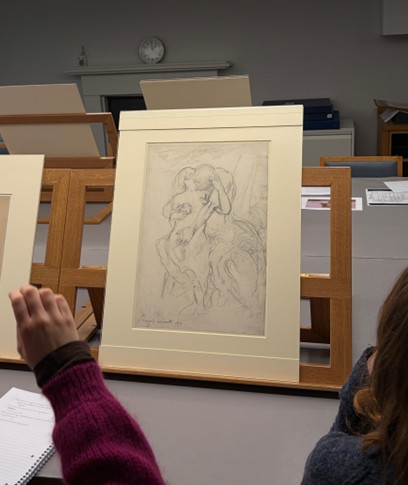
Throughout the term, the curators, provenance researchers, and librarians we met were incredibly generous in sharing their expertise and giving us access to archives and storage spaces. Based on what we learned, the collections are continuously negotiated through law, ethics, politics, and public accountability. As Dr. Stammers noted, this course examined how political forces “made and unmade” collections.
I now feel both better equipped and more compelled to question how collections come into being, whose histories they represent, and what responsibilities institutions carry today. The module gave me a renewed desire to continue visiting, studying, and critically engaging with other collections long after the term has ended.