Course Overview
Status
Applications closed for 2026 entry
Location
Somerset House, Strand, London WC2R 1LA, & Vernon Square, Kings Cross, London WC1X 9EP
Duration
Three years, full-time
Awarding body
University of London
Intake
Six students every two years
Do you want to make a difference in the care of cultural heritage, and preserve it for the future? Would you enjoy a career that combines your strong practical and manual skills with a deep intellectual understanding of wall paintings both in terms of art history, conservation ethics and material science?
The Courtauld Institute is a leading centre for education and research in wall painting conservation. The three-year practical MA in Conservation of Wall Paintings will prepare you for a professional career in a field that is inclusive, interdisciplinary and international. The degree is taught by specialists in wall paintings conservation, technical art history and conservation science, with many years of collective experience of working in the conservation sector. This sector knowledge informs the teaching, which is tailored to the evolving needs of the profession with the aim of producing highly employable graduates. The programme excels in developing conservators with research and critical skills that allow them to flourish in a wide range of challenging careers.
Applicants usually have a BA or equivalent degree in the humanities or the natural sciences. The course leads to a high degree of employment upon graduation in both private practice and institutions, with many Courtauld alumni going on to make a major impact in the conservation of wall paintings and other aspects of cultural heritage through roles at leading national and international organisations or as independent practitioners.
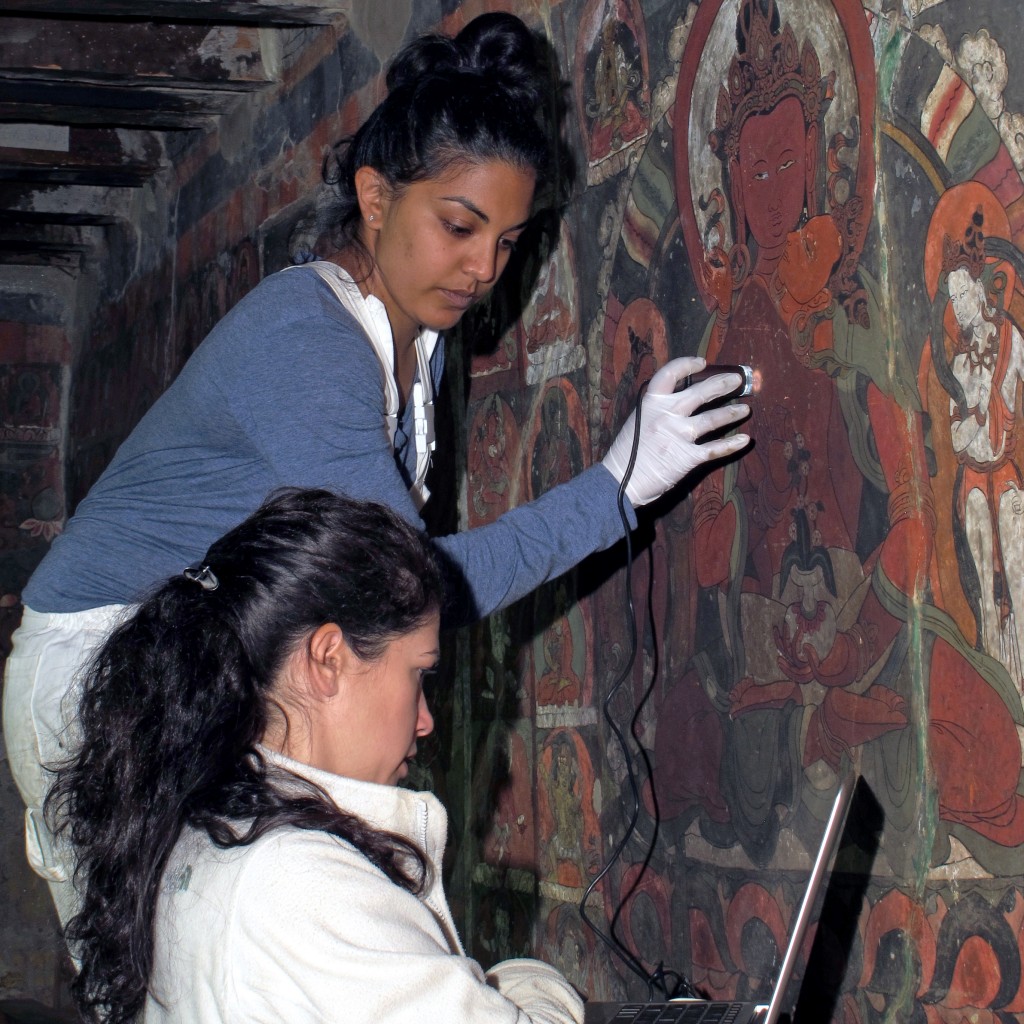
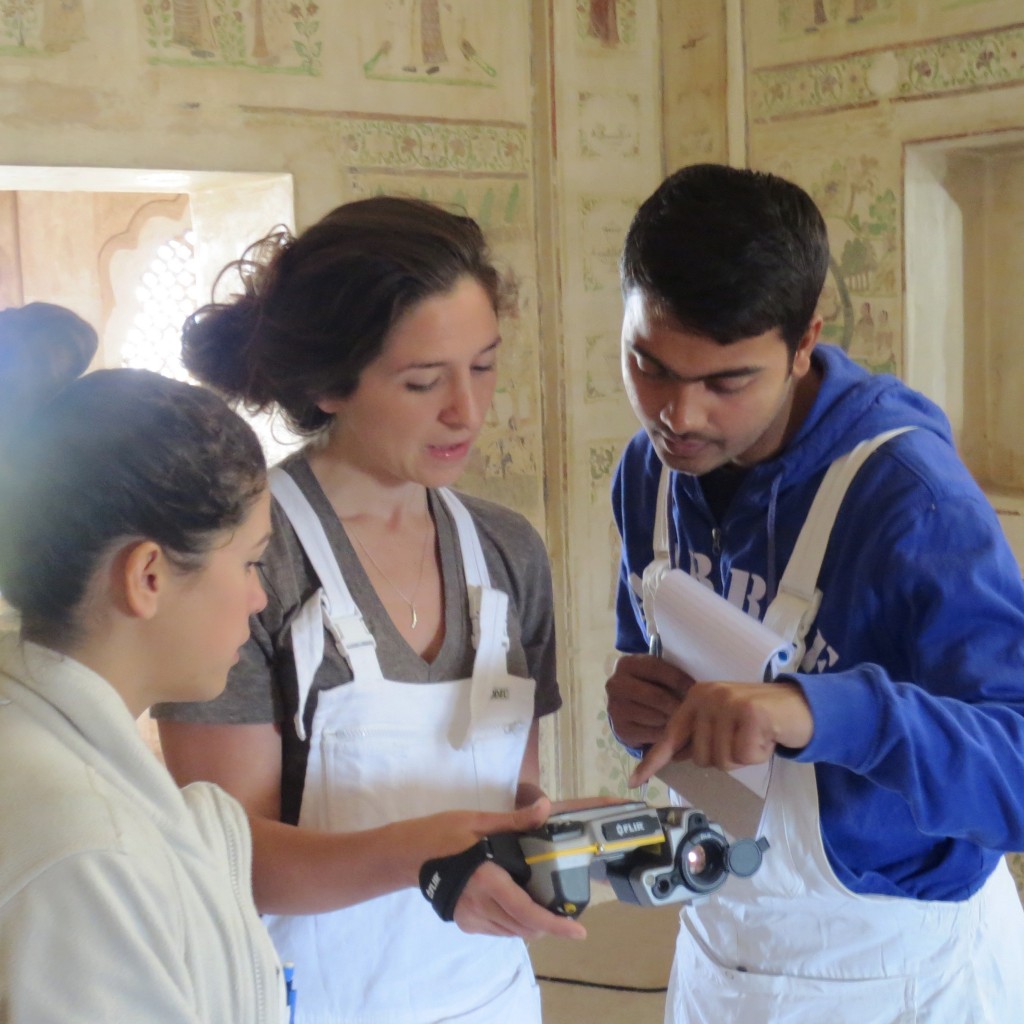
Teaching focuses on evaluating the synergistic relationship between wall paintings, built heritage and the environment. Through a rigorous ethical and scientific framework, you will gain skills in preventive, passive, and remedial conservation, and in professional practice. The MA degree offers extensive practical experience on wall painting sites, and on completion you will be able to design, evaluate and carry out conservation treatments. The course teaches the digital and organisational skills required to manage ambitious projects, both independently and in collaboration. It will equip you with critical evaluation and communication skills, so that you will be ready for a career in conservation, further conservation research, and beyond.
Conservation at the Courtauld Institute
Teaching and programme structure
Continuity in instruction and supervision is provided by members of the department of Conservation with additional supervision and teaching by established practitioners and leading specialists. The various teaching methods and types of work required of the students relates to the objectives of each component of the programme and includes lectures, student presentations, seminars, essays, reports and short public-engagement material such as posters or web-copy. Practical work takes place in the laboratory and on site. There are regular meetings with personal tutors to discuss progress and receive feedback after presentations.
Structure
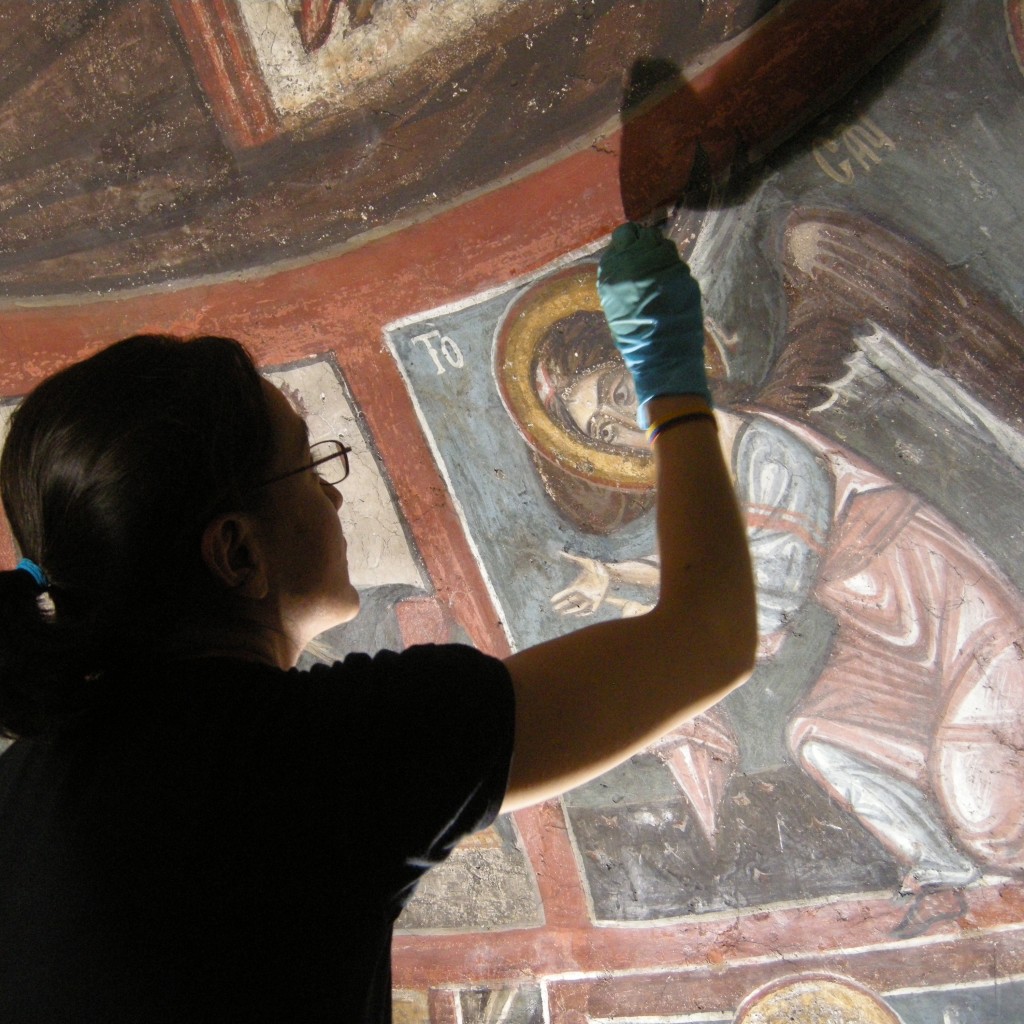
Year One provides a practical and theoretical foundation in the principles, ethics and practice of conserving wall paintings. Students learn about the technology and history of wall paintings through seminars and replica-making. They are introduced to typical deterioration phenomena and develop methods for recording and documenting wall paintings. The application of materials science is integrated throughout the theoretical and practical courses. All modules have substantial practical components in the laboratory and on site, to provide familiarity with materials, health and safety, technical equipment and software. Foundations lectures in History of Art examining art from across the globe are an essential component of first year teaching. Fieldwork in the Spring semester introduces methodologies for conservation interventions and develops practical, manual and communication skills. Visits to see important wall paintings in historic sites and museums in London and the South East of the UK are integrated with formal teaching.
Year Two formal instruction concentrates on diagnosis and preventive conservation, on the technical examination of wall paintings and their supporting structures, and on the theory and materials of advanced remedial conservation techniques. Materials science is integrated throughout theoretical and practical courses. Students will develop research skills, prepare a proposal for their dissertation, and learn about project management and professional practice through seminars and on site. A substantial period of fieldwork is carried out in the second year in Spring semester. There, students apply technical examination, condition survey, diagnostic and remedial conservation learning. They develop project management, team-working and communication skills.
Year Three is devoted to fieldwork and an individual dissertation research project on an original aspect of the conservation of wall paintings. Fieldwork, on national or international sites, takes place during both Autumn and Spring semesters. This substantial period of site-based practice enables students to gain confidence and experience in applying their learning on a wide range of wall paintings. As with all our fieldwork teaching, students will be operating under the guidance of experienced wall painting conservators.
Assessment
The formal assessment of the MA in Conservation of Wall Paintings is based on assessed coursework with written essays, fieldwork and technical reports, practical assignments and fieldwork, and written examinations and oral examinations.
Informal, continuous assessment is also used, based on didactic exercises — essays, seminars, etc. — and supervision of practical work. Formative feedback is provided through tutorials on draft assignments and presentations, and during fieldwork throughout all three years. Formative feedback is provided through tutorials on draft assignments and presentations, and during fieldwork throughout all three years. Students must demonstrate competence in each of the subject areas in order to progress into the second year.
At the end of the first and second years, students sit written examinations, give presentations, and submit coursework on modules. Assessment of the third year is based on the examination of the dissertation, fieldwork and an oral examination. The final degree mark is calculated from the second and third year marks.
Programme outcomes
Upon completion of the MA Conservation of Wall Paintings, you will be able to:
- A sophisticated combination of practical, analytical and critical skills for the conservation of wall paintings, together with the ability to assess the paintings’ significance and make informed decisions within the profession’s ethical framework
- The ability to examine and evaluate original and added materials associated with wall paintings and their supports, and to assess their implications for the paintings’ condition and conservation treatment
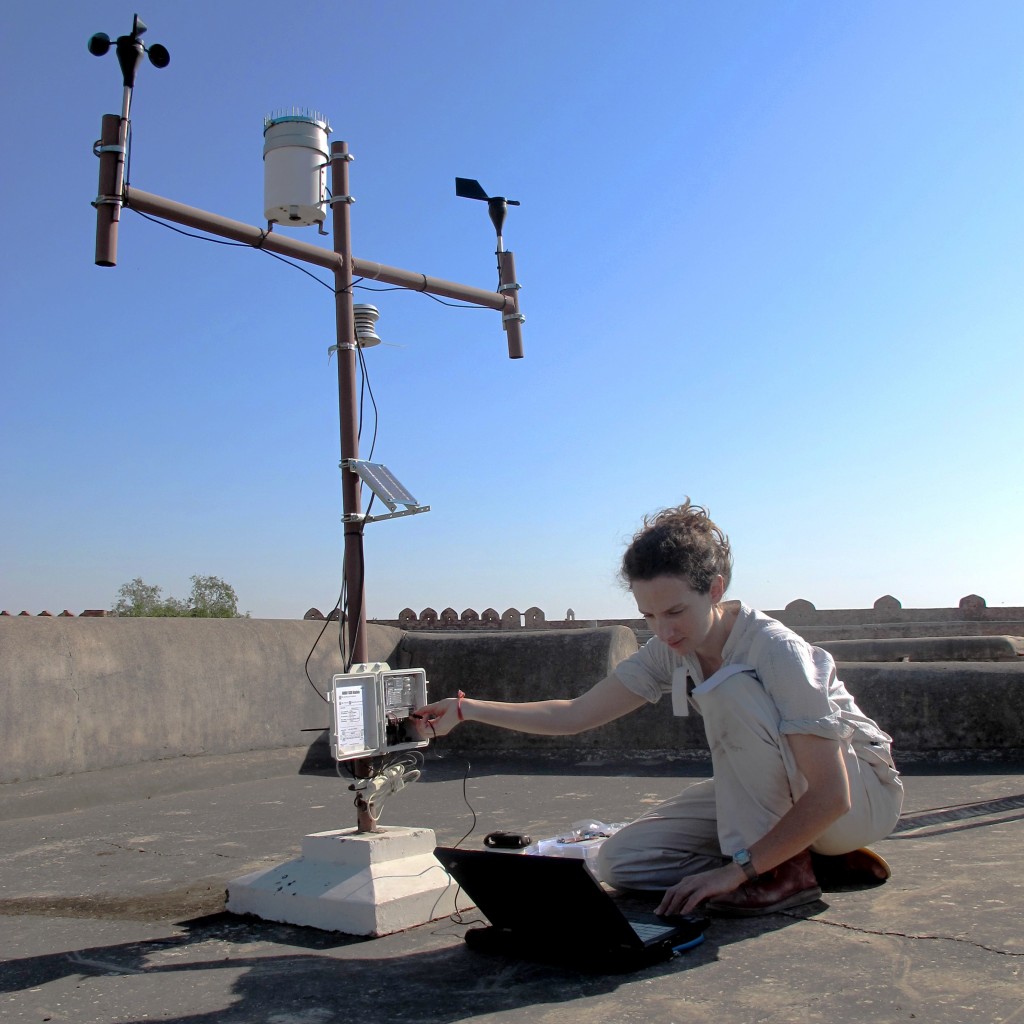
- The skills to identify and interpret mechanisms of deterioration through visual examination, diagnostic investigation, scientific analysis and environmental monitoring
- The ability to recommend and implement appropriate preventive, passive and remedial conservation measures, and to design, test and deliver holistic conservation projects that take full account of ethical, technical and professional considerations
- Expertise in producing comprehensive written reports and high-quality graphic, scientific and photographic documentation
- Strong communication skills, enabling effective collaboration with colleagues, clients, communities and other stakeholders
- The ability to develop and undertake independent research in the field of wall painting conservation, from project design through to dissemination of findings
- Access to an extensive professional network of conservators, heritage professionals, scientists and researchers in the UK and internationally.
Careers and employability
The Courtauld Institute’s MA Conservation of Wall Paintings is designed to prepare graduates for professional practice in the conservation of wall paintings and decorated architectural surfaces. The programme also develops a broad range of highly transferable skills that open pathways to careers across the heritage sector and beyond, as well as to further academic study. Alongside an in-depth knowledge and understanding of wall paintings conservation, our graduates have:
- The ability to communicate effectively orally and in writing
- Intellectual independence and maturity; self-discipline and self-direction
- Project management skills, through developing, conducting, and managing conservation and research projects independently
- Ability to work in a team, collaborate and share resources.
With these skills, Courtauld graduates go on to work in a range of prominent heritage contexts in the UK and internationally, holding positions in institutions such as English Heritage, National Trust, and The Getty Conservation Institute.
Students from the programme will join an international network of Courtauld alumni who work across the cultural sector and benefit from the friendships, support, and mentorship available within that community.
Entry requirements
UK qualifications: Successful applicants will normally hold a Bachelor’s degree in either Fine Art, History of Art, the Humanities or Natural Sciences, and have achieved a good 2.1.
Overseas qualification: Equivalent to a good 2.1 in a UK first degree (e.g. US applicants should have a cumulative GPA of 3.3 or above). View country-specific qualifications can be found.
English language requirements: If your first language is not English, we require proof of English language proficiency – please see the English Language Requirements page.
Applications: Please see How to Apply page for information.
Other requirements:
Previous conservation experience is not required, though some understanding of the nature of wall painting conservation is desirable. Students must have normal colour vision.
Around 18 applicants are selected for interview for six available places, plus a short waiting list. Interviews are held online. In addition to the interviews, interviewee will be asked:
- To complete a practical test to assess manual dexterity, and to complete a short online slide test to assess observational skills on a variety of wall paintings
- To complete online colour-blindness and colour matching test
- To electronically submit a portfolio showing artworks, study, or site visits to demonstrate commitment and interest in the field and/or relevant skills such as manual dexterity.
Successful candidates who have accepted their place will be required to complete an online course in science fundamentals in the summer prior to commencing the course. This will be delivered by the Courtauld Institute.
Fees and funding
Information about tuition fees can be found here.
Financial support for your studies:
Courtauld Institute Scholarships: There are a limited number of Courtauld Scholarships available for Postgraduate students. They each have different criteria for eligibility and value, with some specifically for our Conservation MA programmes. Please note that if you with to be considered for a Courtauld Scholarship, you will need to submit your application prior to being offered a place on the programme. Find out more about loans, grants and bursaries to support your studies at the Courtauld Institute.
Alumni Loyalty Scheme: This scheme is open to any graduate of the Courtauld Institute admitted to a taught postgraduate programme of study. Recipients will receive a 10% loyalty discount off their tuition fee for the duration of the course.
Associated programme costs: As well as General Associated Programme Costs, students will be required to buy an LED torch. A pool of conservation fieldwork tools and equipment is provided, although students may wish to purchase their own, costing around £100 in total. The Courtauld Institute supplies all health and safety equipment for fieldwork. It is advised that students invest in a student railcard.
Resources
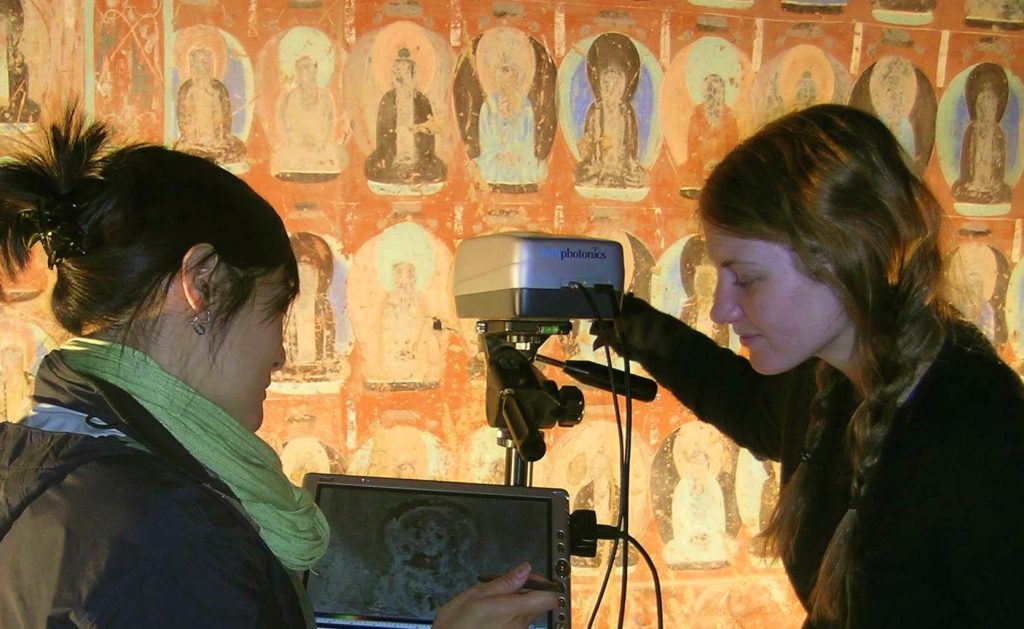
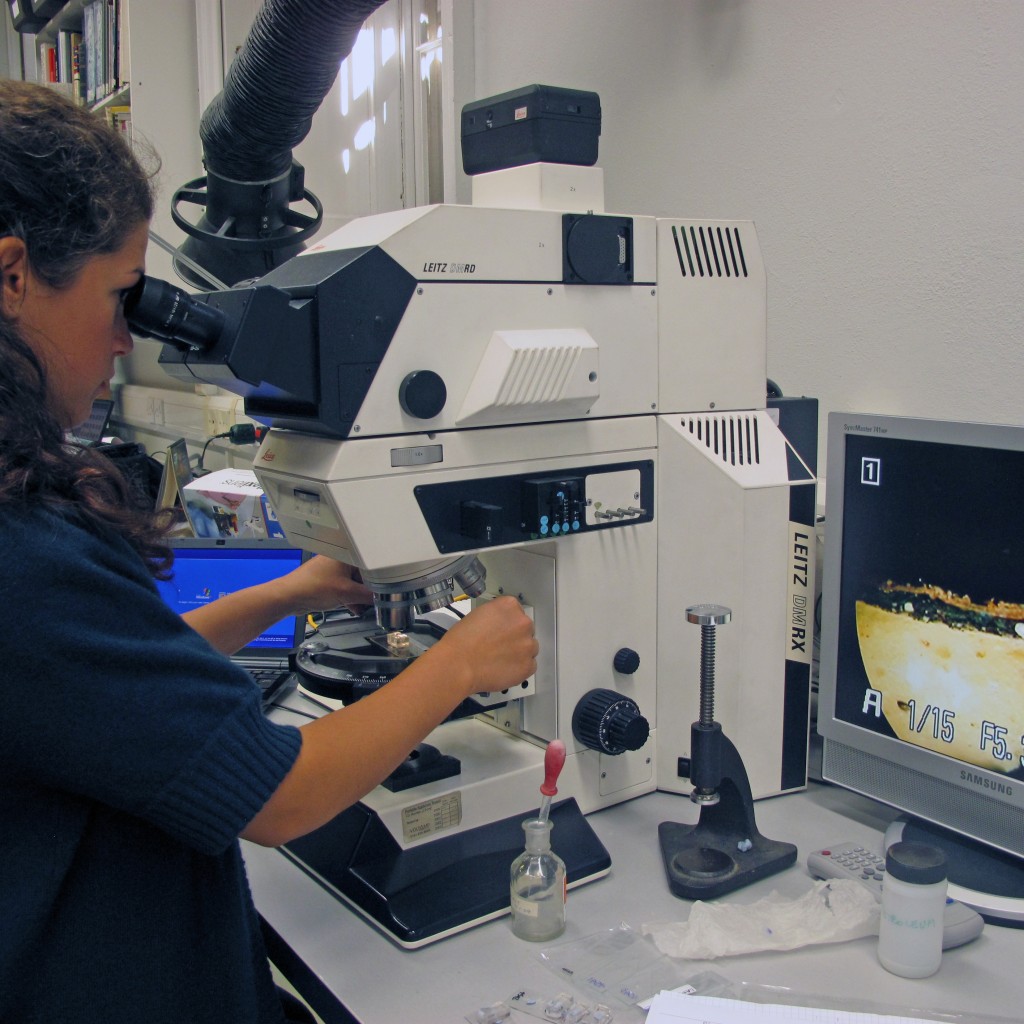
The Conservation Department is equipped with extensive scientific laboratories and state-of-the-art facilities for the analysis of paintings and wall paintings. Both portable and bench-top equipment at the department are available for teaching and research. The department houses major collections of easel painting samples, X-radiographs, wall painting fragments and wall painting samples from around the world. It also hosts the archive of the National Wall Paintings Survey, an invaluable resource which is available to everybody on the Courtauld’s website.
Students benefit from access to a wide range of research facilities at both the institute and other parts of the University of London, as well as other major libraries nearby. Close collaboration with scientists and conservators in the national museums and heritage organisations offers further opportunities for training and research.
The department is closely linked with The Robert H. N. Ho Family Foundation Centre for Buddhist Art and Conservation at the Courtauld Institute, and the specialist collection of literature on Asian art. Both the Conservation Department and the Ho Centre periodically hold conferences and public lectures in association with the Research Forum and museums and other institutions from outside the Courtauld, and benefit from contributions by Visiting Conservators.
In recognition of the excellence of the Courtauld Institute’s MA in Conservation of Wall Paintings, The J. Paul Getty Trust awarded a $5 million endowment to support scholarships and fieldwork.
Students have the opportunity to meet and study with faculty and students from other programmes within the Conservation Department.
Fieldwork
The department’s fieldwork projects focus on conservation, research and teaching. A high supervisor-to-student ratio ensures that students benefit from an excellent level of supervision.
Current projects include:
- Longthorpe Tower, Peterborough (UK). A rare cycle of 14th century domestic wall paintings (project running from 2019)
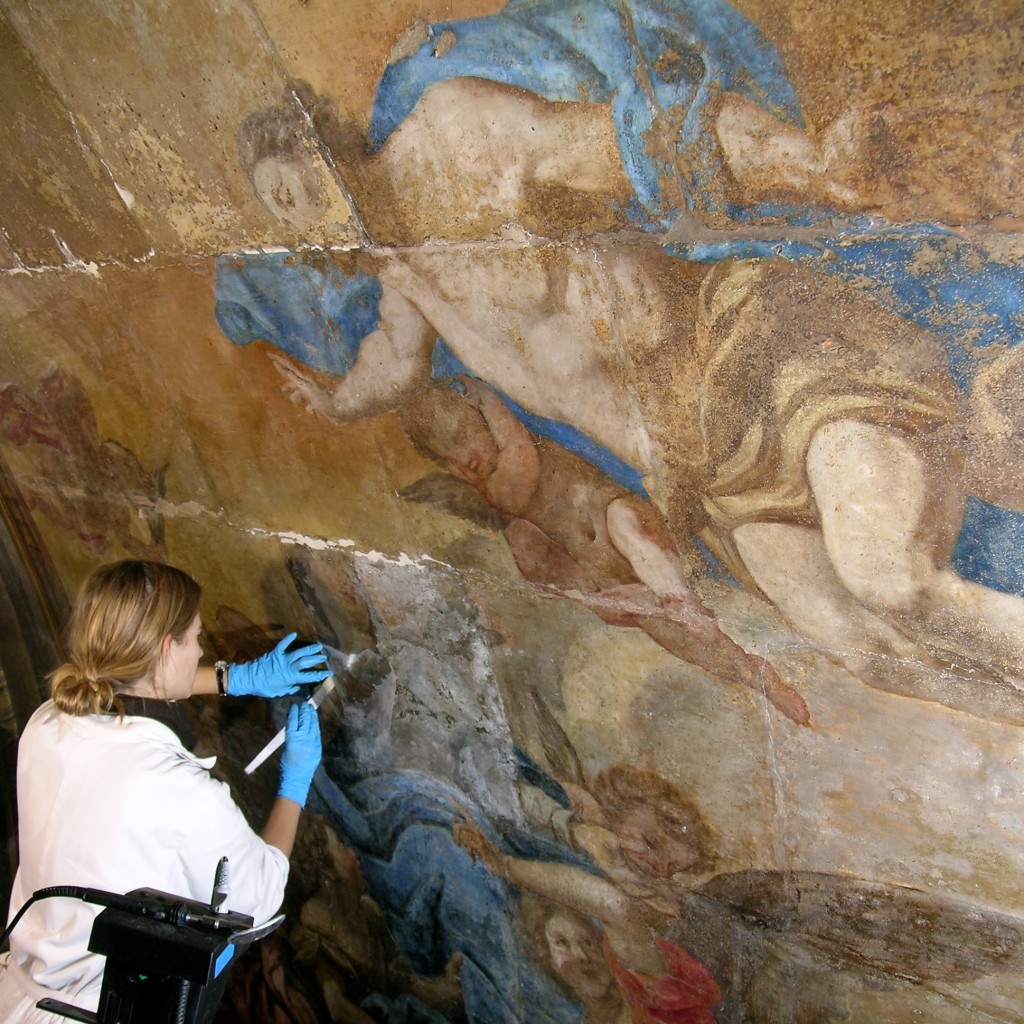
- Villa Imperiale, Pesaro (Italy). 16th-century wall paintings in a grand villa originally constructed for the Sforza family and updated by the Della Rovere family in the 16th century (from 2023)
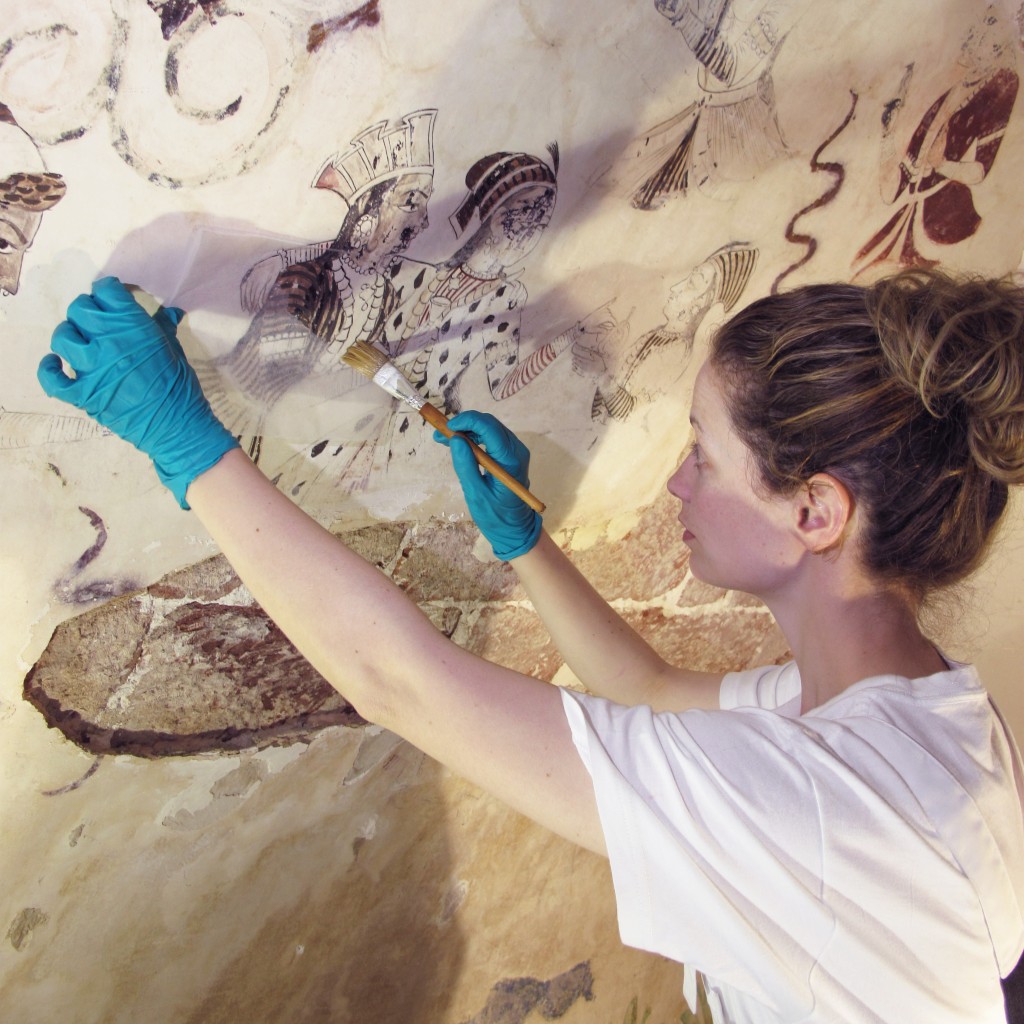
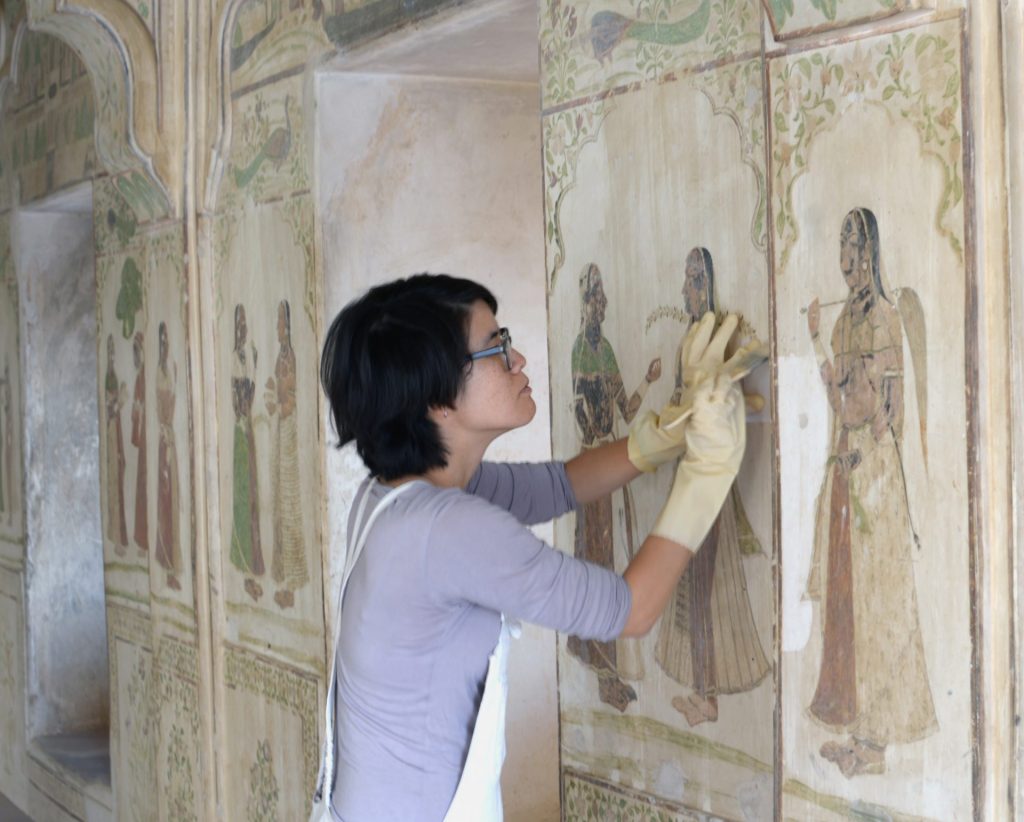
- Nagaur Fort, Rajasthan (India). The 18th and 19th-century wall paintings decorating the Maharajah’s palaces (from 2005)
- St Jude on the Hill Church, Hampstead, London (UK). Early 20th century scheme painted by Walter Starmer (from 2026)
Past projects include:
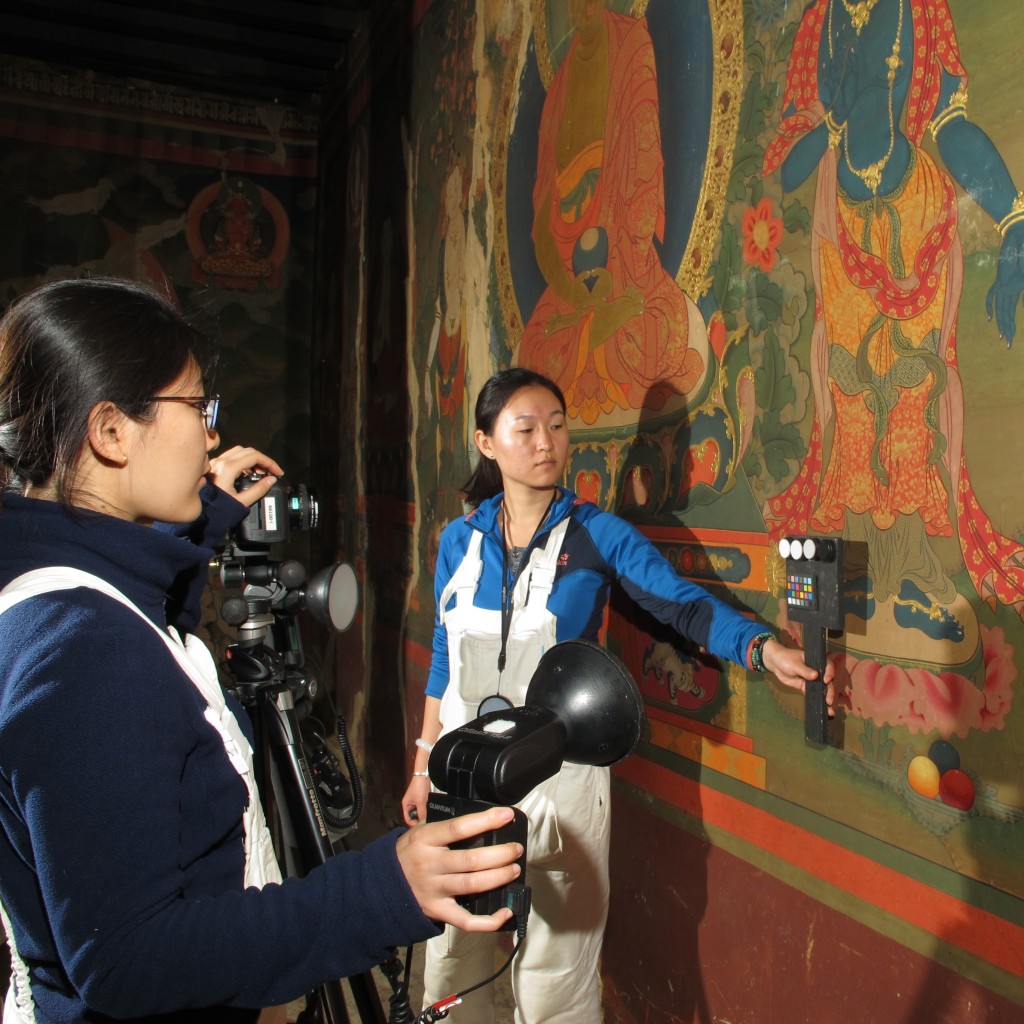
- Tamzhing Monastery, Bumthang (Bhutan). With schemes from the 16th to 20th centuries, those from the early 16th-century are thought to be the earliest surviving in the Kingdom (project took place 2012 – 2015)
- Church of the Dormition of the Virgin, Vardzia (Georgia). The late 12th-century wall paintings in the rock-cut monastery (2012 – 2015)
- Mogao Grottoes, Dunhuang (China). A site with over 500 painted cave temples dating from the 5th to 14th centuries (2006 – 2009)
- Monastery of Agios Ioannis Lampadistis, Kalopanayiotis (Cyprus). Paintings dating from the 13th to the 19th centuries (2007 – 2012)
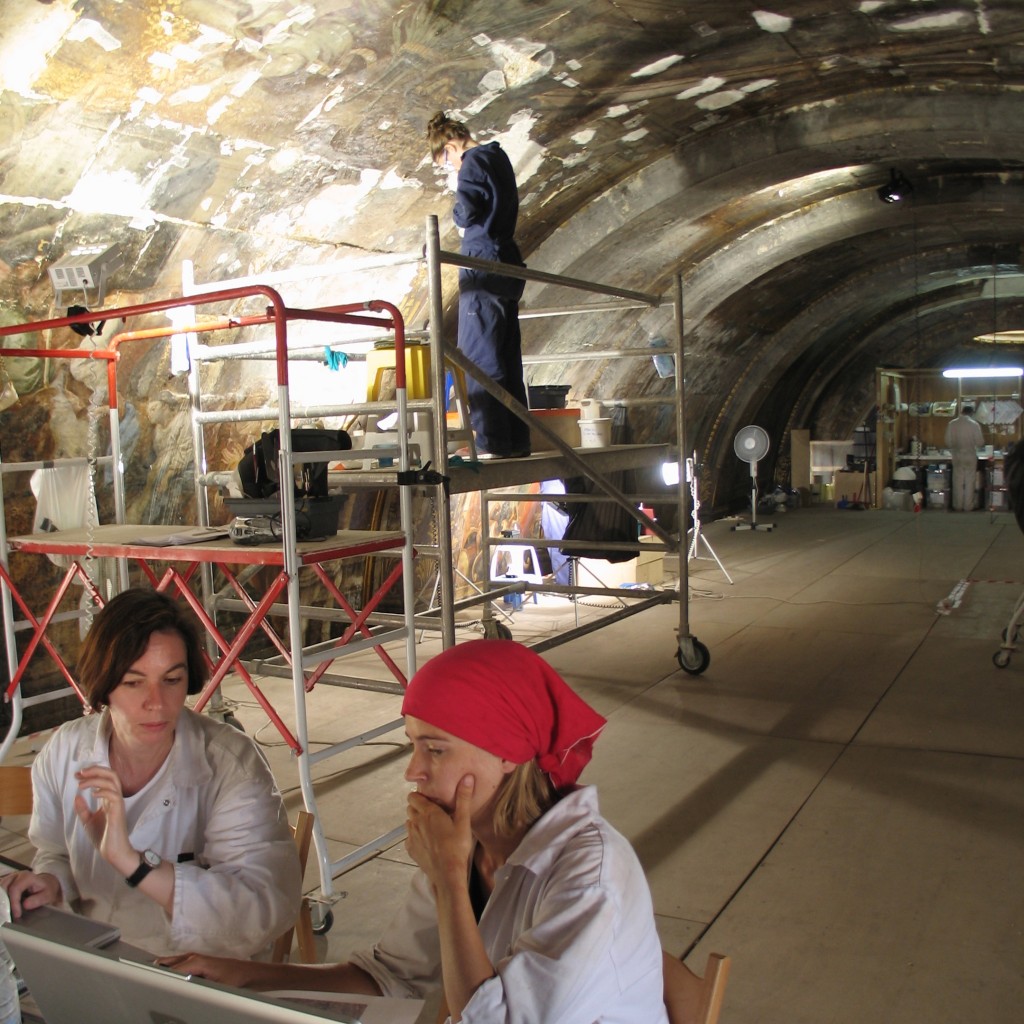
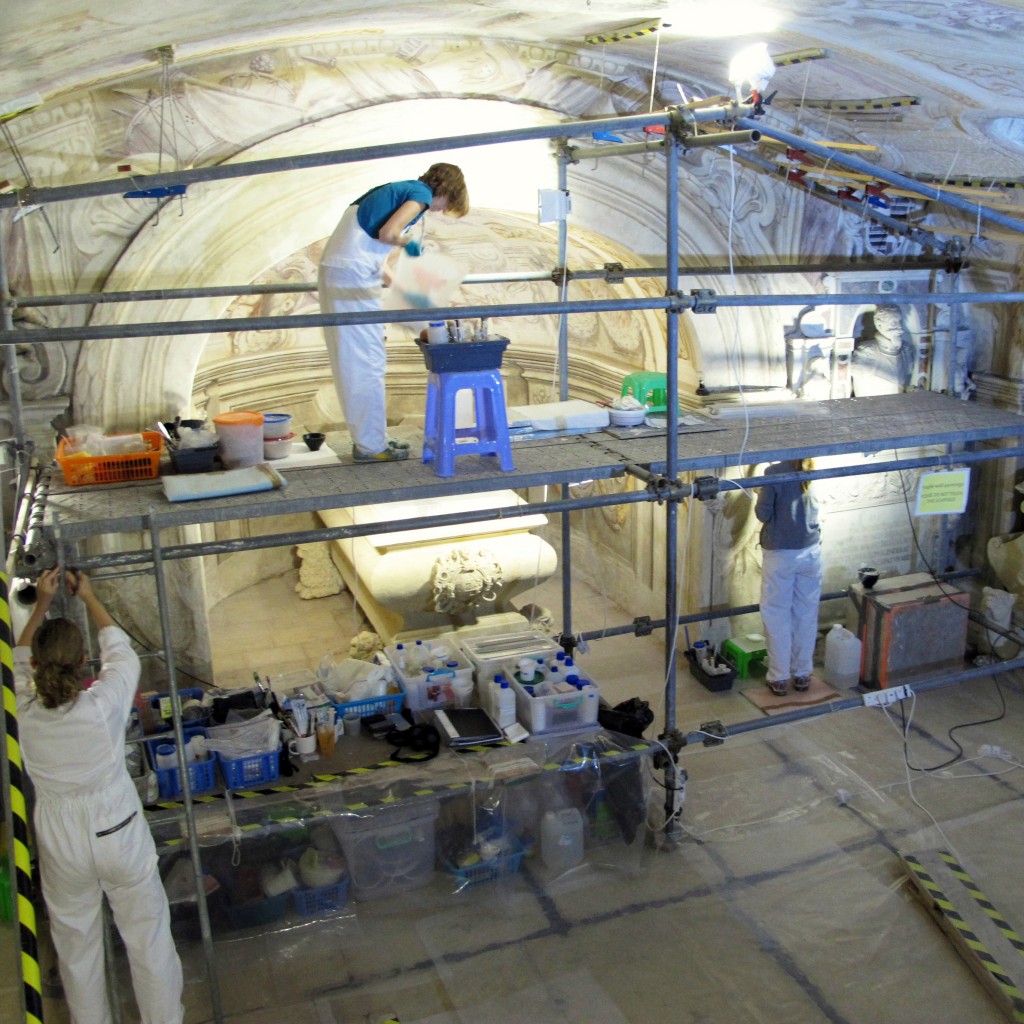
- Crypt of the Grand Masters, St John’s Co-Cathedral, Valletta (Malta). 18th-century wall paintings by Niccolò Nasoni (2003 – 2012)
Find out more about the department’s fieldwork activity on our research pages.
Support
To support you through the degree, we offer:
Wellbeing support: We have a dedicated Wellbeing team, with counsellors and advisors.
Academic skills training: The academic skills tutor offers group and one-to-one classes to help you to develop the skills and confidence you need to succeed on the degree. We also have two Royal Literary Fund fellows who will help you with your writing skills, concentrating on how to structure and improve your writing.
Careers advice: You can access bespoke, one-to-one career guidance throughout your studies. The Courtauld Careers Service offers advice and support on exploring career and further study options, finding internships, enhancing employability, understanding and navigating the jobs and self-employment market, and making successful applications. This service is available to all graduates for up to two years after graduation.
Accessibility
The Conservation Teaching studios are in the West Wing of Somerset House, access to which is via the access-controlled doors on the Upper Terrace. For those not in possession of an Access/ID card there is an intercom connected to our 24/7 staff security control room. There is a temporary access ramp providing access into the West Wing which may not necessarily be suitable for use by, for example, wheelchair users. Thus, for those requiring level access into the Conservation Studios this can be facilitated via our main Gallery entrance between the hours of 10:00 and 18:00. The Conservation Department teaching spaces are located across five floors, Level -1 to Level 3. The main access to each of the floors is via a staircase which is 90cm wide. There is within the department a lift which services -1 to Level 2 of the department. Access to Level 3, which houses the analytical laboratory, is via the staircase only.
Some of the teaching as well as the Library is at our Vernon Square premises, near King’s Cross. The Vernon Square premises are fully accessible, with two internal lifts servicing all floors. There is level access throughout the premises and thus into and out of all internal rooms. Access from the street into the premises is not level and there is small incline from street to the main entrance doors. There is ramped access into the premises. The main entrance doors into the premises operate automatically
Watch the Virtual Open Day recordings
MA Conservation of Wall Paintings Virtual Open Day
Studying at the Courtauld Institute
Image gallery